Enhancing Lower Body Grounding: Transforming Squat Touch Quality
Original title (JP): セラピスト必見 下半身のグランディングを強化する、スクワット タッチの質が変わります! #筋膜 #藤井翔悟 #治し方

Supervised by
Shogo Fujii
Physiotherapist (PT) · Founder of the SHOGO FUJII® FASCIA METHOD
View profile →Clinical Article · 5 min read
Improving your squat technique through effective fascia release can significantly enhance your lower body grounding. By understanding the role of fascia in movement and stability, you can transform how your body connects with the ground during exercises like squats. This guide explores the benefits of fascia therapy and how it can improve your squat touch quality.
Why is fascia important for squats?
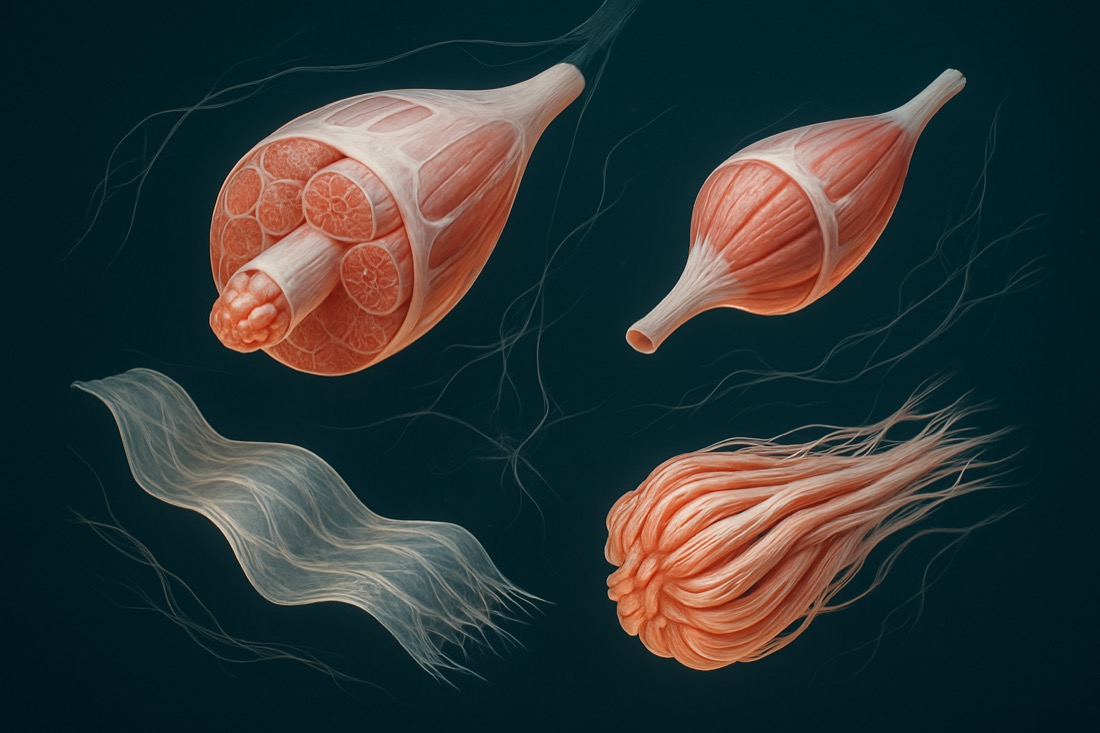
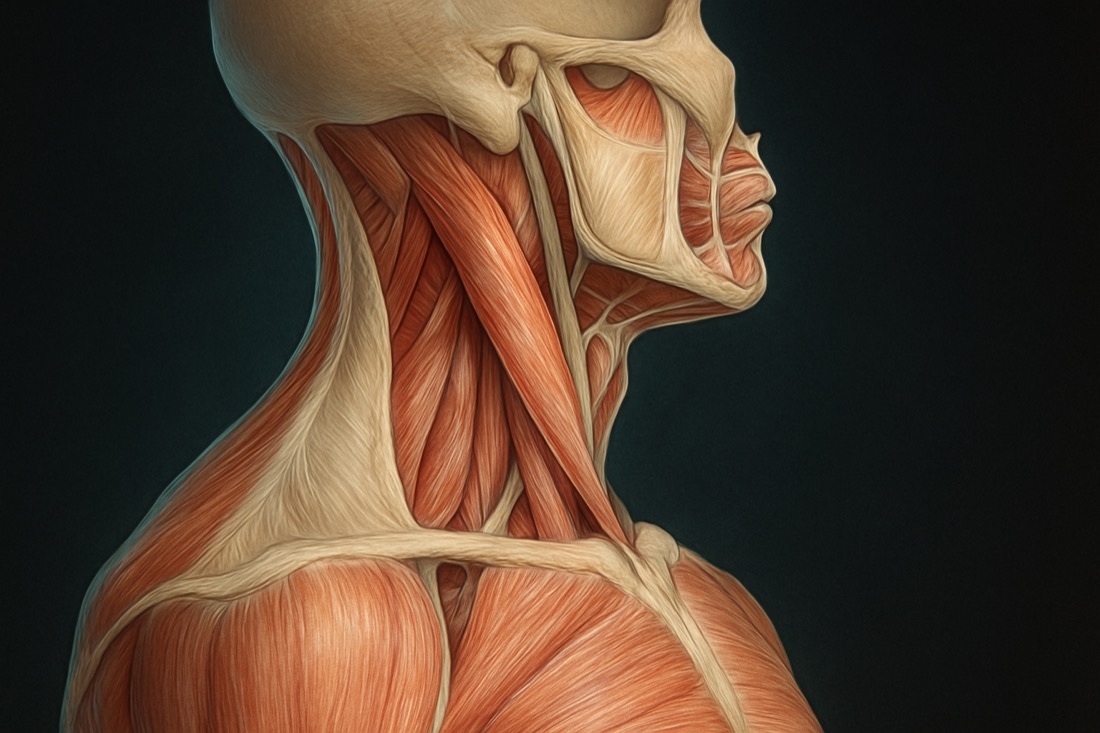
Fascia, the connective tissue surrounding muscles, plays a crucial role in movement and stability. It acts like a support network, ensuring muscles and joints work together efficiently. When fascia is healthy and flexible, it allows for better movement patterns, which is essential for exercises like squats. Tight or restricted fascia, however, can lead to poor form and increased injury risk during physical activities [1].
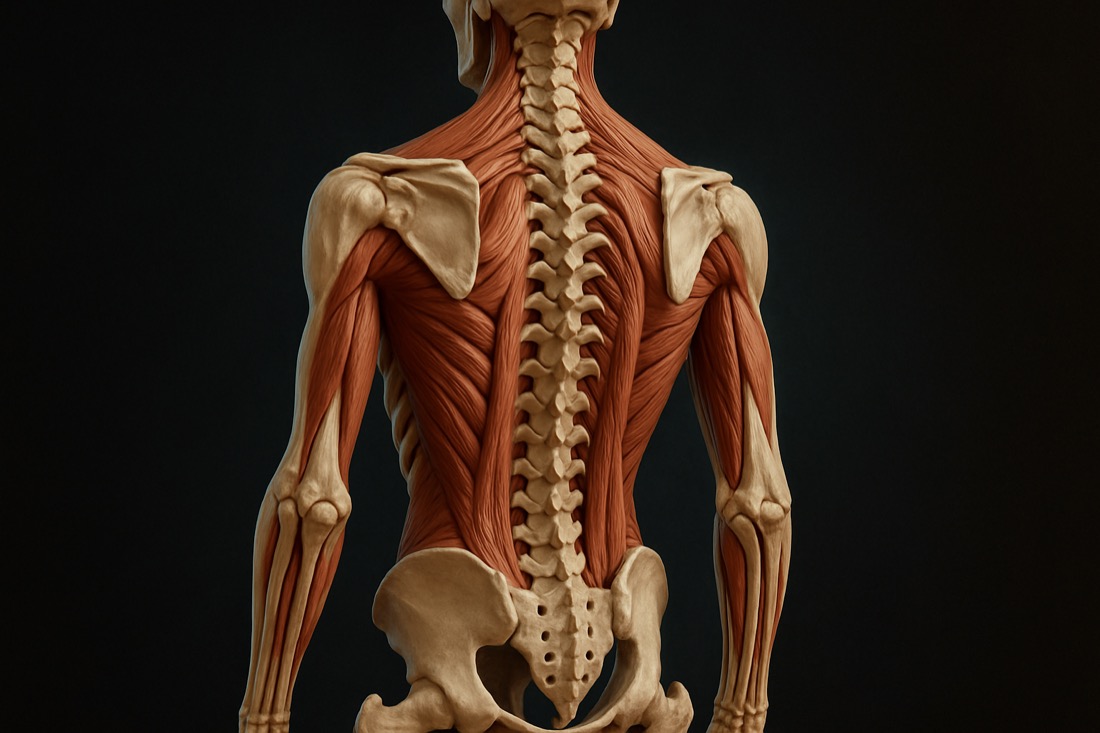
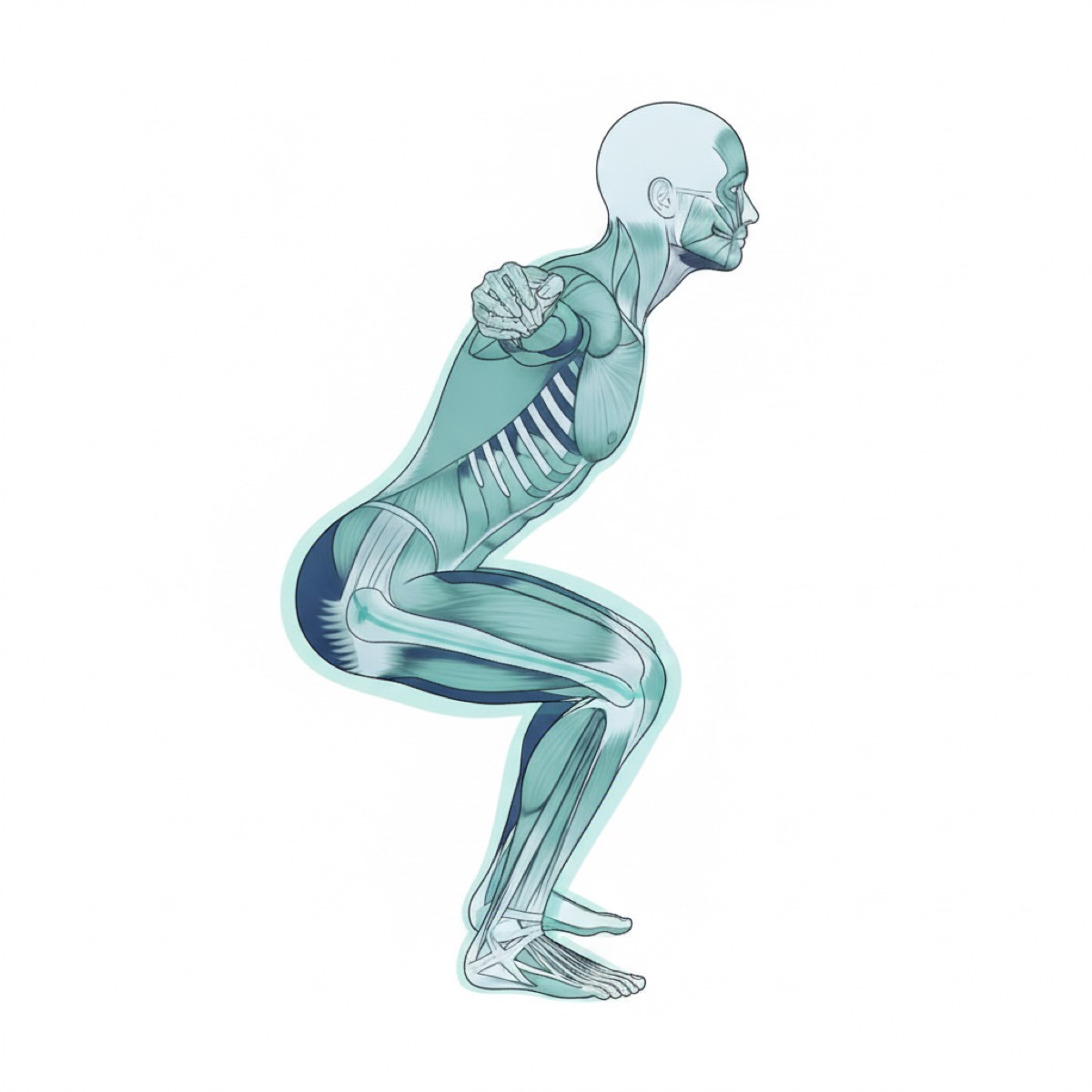
In squatting, proper fascia function ensures that the body maintains balance and alignment, enabling a more grounded and stable squat. This grounding is vital for transferring energy efficiently through the lower body, enhancing both performance and safety. By focusing on fascia release techniques, you can improve your squat quality and overall lower body strength.
How does fascia release improve grounding?
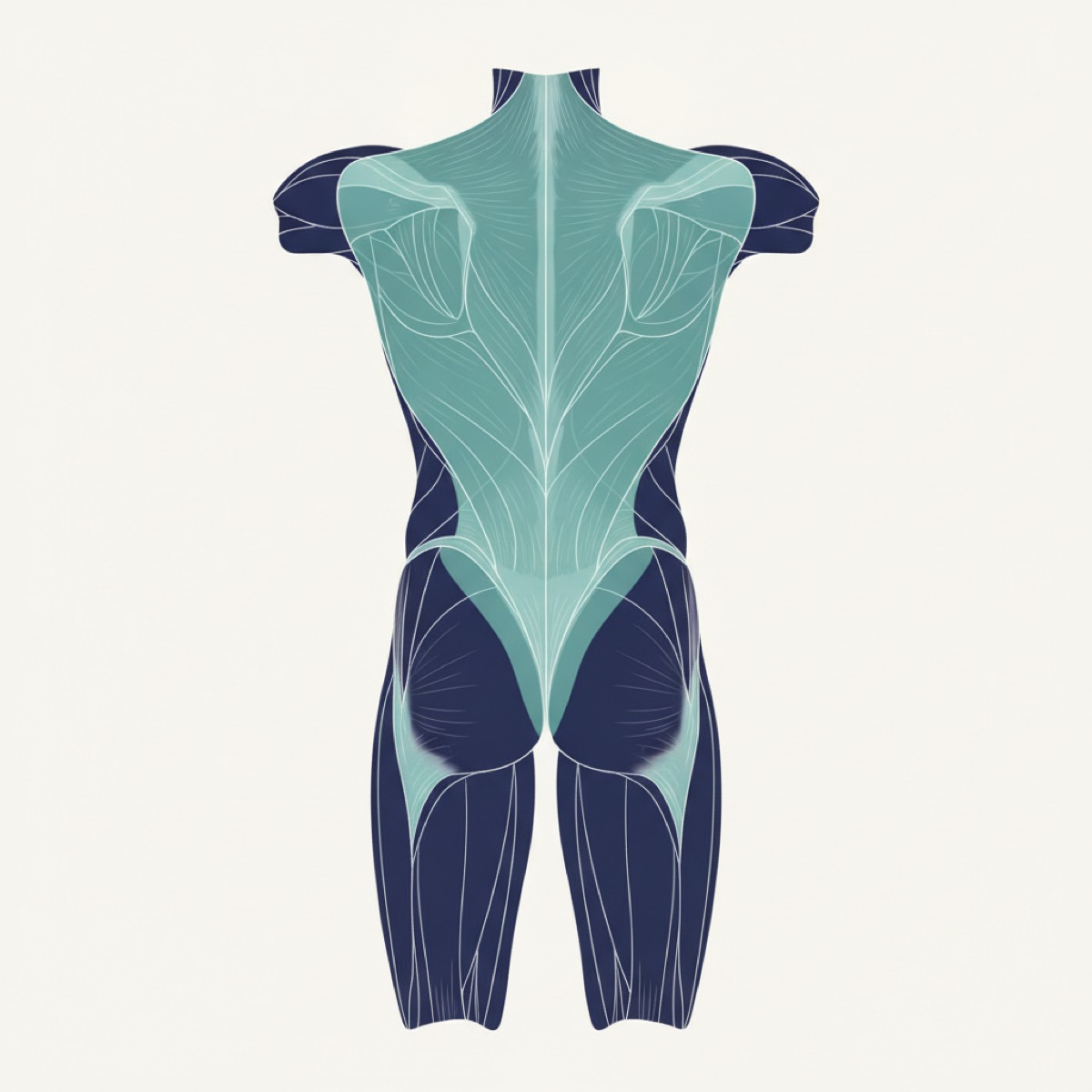
Fascia release involves techniques that help loosen and stretch the fascia, promoting better flexibility and movement. Methods such as foam rolling, targeted stretching, and professional fascia therapy can alleviate tension and improve tissue hydration, leading to enhanced range of motion and muscle activation [2].
Improving fascia health directly impacts how your feet and legs connect with the ground during a squat. The enhanced mobility allows for a deeper and more controlled squat, reducing the risk of compensation patterns that strain other muscle groups. This results in more effective workouts and reduced discomfort during and after exercise [3].
What fascia release techniques can help squats?
Incorporating fascia release techniques into your routine can significantly benefit your squat performance. Foam rolling is a popular method, where you use a cylindrical tool to apply pressure to tight areas, helping to release tension and increase blood flow [4].
Stretching routines that focus on the hips, thighs, and calves can also enhance fascia flexibility, promoting better squat form. Additionally, seeking professional fascia therapy can provide tailored techniques that address specific restrictions, ensuring a holistic approach to improving your body's grounding capability.

What are the benefits of improved squat grounding?
Enhanced squat grounding offers numerous benefits, including increased strength, stability, and injury prevention. When your body is well-grounded, it can generate and transfer force more effectively, leading to improved performance in not only squats but other lower body exercises as well [5].
Additionally, proper grounding reduces strain on the joints and muscles, which can decrease the likelihood of injuries over time. This is particularly important for athletes and individuals who engage in regular physical activity, as it promotes longevity and resilience in their training routines.
Frequently asked questions
How often should I practice fascia release? — It's recommended to incorporate fascia release techniques into your routine 2-3 times a week to maintain flexibility and prevent tightness. Consistency is key for long-term benefits.
Is fascia release safe for everyone? — Generally, fascia release is safe for most people, but it's important to listen to your body and avoid overdoing it. If you have specific health concerns, consult a healthcare professional before starting.
Can fascia release help with other exercises? — Yes, improving fascia health can enhance performance in various exercises by promoting better movement patterns and reducing injury risk. It is beneficial for both strength and flexibility-focused routines.
References
- [1]Tracey KJ. The inflammatory reflex. Nature. 2002;420(6917):853–859.
- [2]Mayer EA. Gut feelings: the emerging biology of gut–brain communication. Nat Rev Neurosci. 2011;12(8):453–466.
- [3]Cryan JF, Dinan TG. Mind-altering microorganisms: the impact of the gut microbiota on brain and behaviour. Nat Rev Neurosci. 2012;13(10):701–712.
- [4]Guo R, Chen LH, Xing C, Liu T. Pain regulation by gut microbiota: molecular mechanisms and therapeutic potential. Br J Anaesth. 2019;123(5):637–654.
- [5]Ricciotti E, FitzGerald GA. Prostaglandins and inflammation. Arterioscler Thromb Vasc Biol. 2011;31(5):986–1000.
- [6]Salehi B, Venditti A, Sharifi-Rad M, et al. The therapeutic potential of apigenin. Int J Mol Sci. 2019;20(6):1305.