Balancing the Body through the Gut-Brain Axis: Proven Techniques by Professionals
Original title (JP): 脳腸軸で全身を整える、医学的に認められた手技をプロが公開。 #筋膜 #藤井翔悟

Supervised by
Shogo Fujii
Physiotherapist (PT) · Founder of the SHOGO FUJII® FASCIA METHOD
View profile →Clinical Article · 5 min read
Understanding the connection between fascia therapy and the gut-brain axis can be transformative for those experiencing persistent muscle tension and pain. The intricate relationship between our gut and brain influences overall body balance, offering promising pathways for relief. This article delves into professional techniques that harness this connection for effective fascia release.
How does fascia therapy relieve tension?
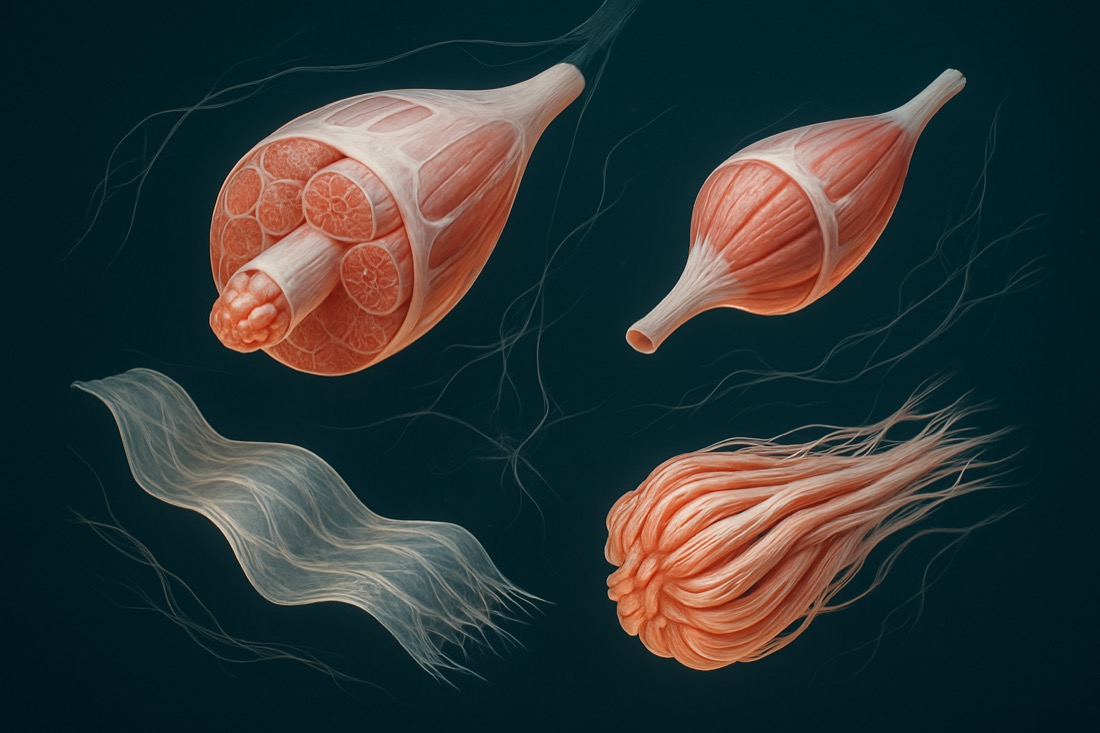
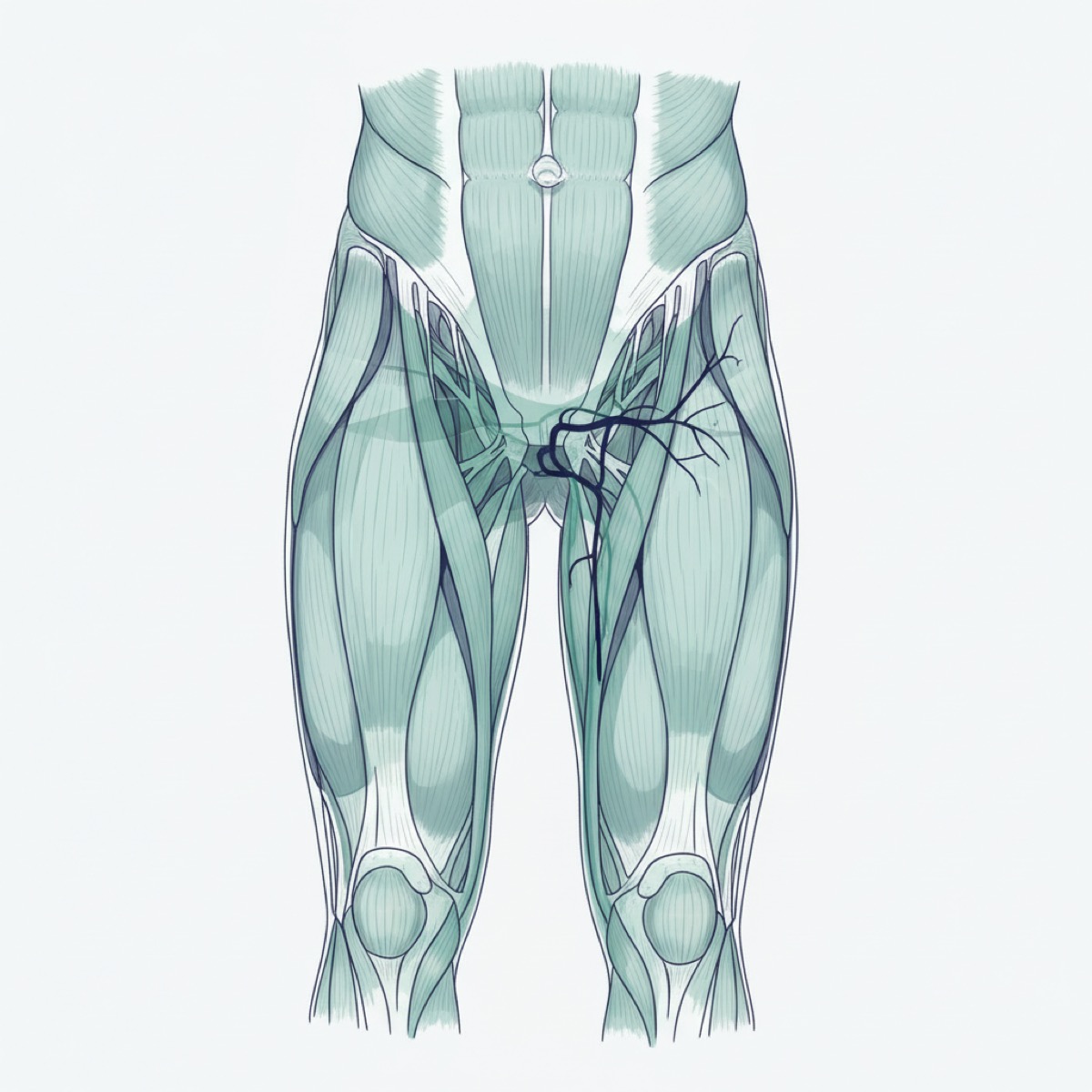
Fascia therapy targets the network of connective tissues that envelop muscles and organs. When this tissue becomes stiff, it can restrict movement and cause discomfort. Techniques like myofascial release aim to alleviate this stiffness, promoting better mobility and reducing pain[1].
The diaphragm plays a crucial role in this process, as it influences the tension in abdominal organs. By releasing tension in the diaphragm, practitioners can address the root cause of discomfort and improve overall body alignment[2].
What is the gut-brain axis?
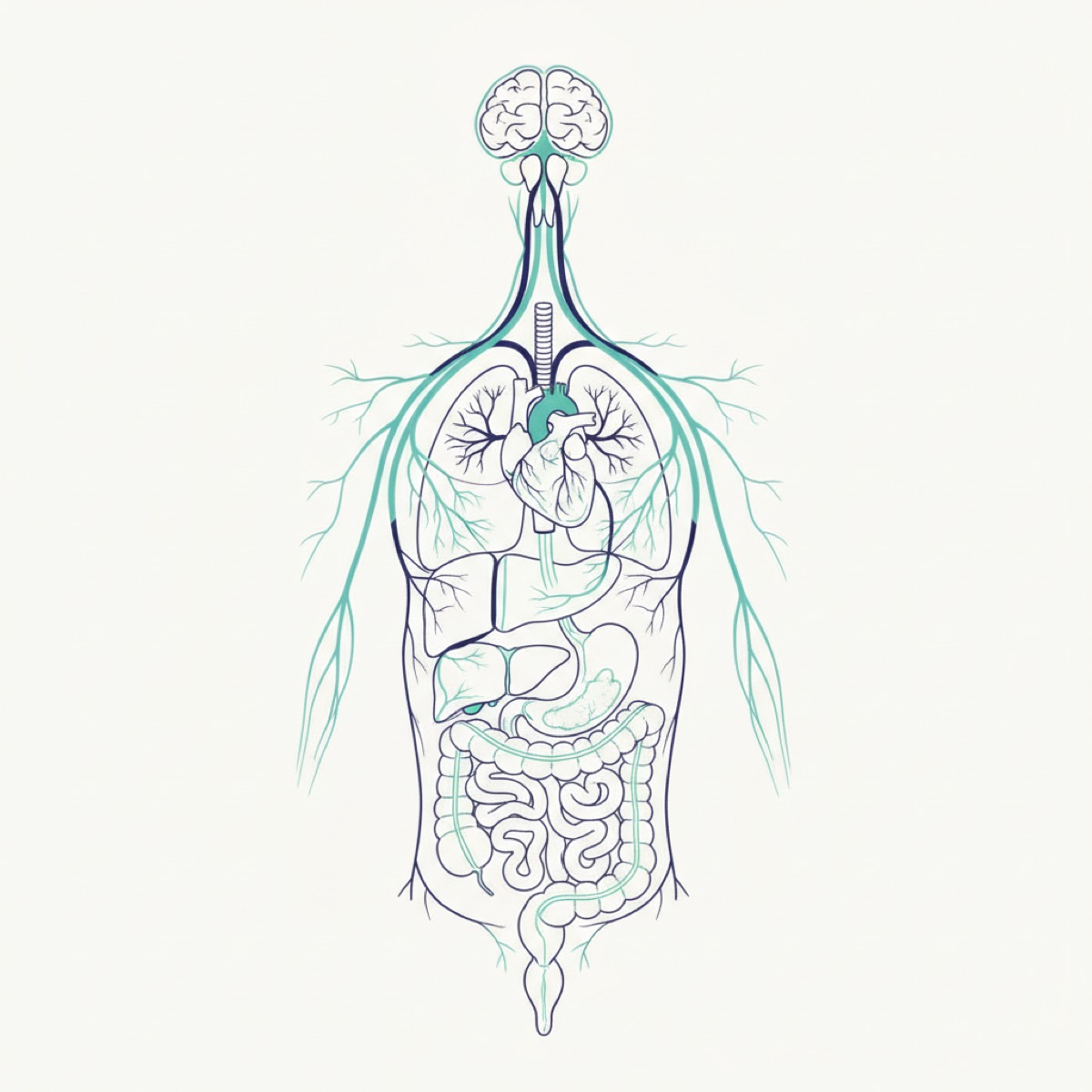
The gut-brain axis is a complex communication network that links the gastrointestinal tract and the brain. This connection can impact both physical and emotional health, as imbalances often manifest as chronic pain or stress[3].
Fascia therapy can enhance this connection by reducing inflammation and improving nerve function, thus calming the 'small fires' that might be continuously burning within the body[4].
Why address the vagus nerve in therapy?
The vagus nerve is a critical component of the gut-brain axis, influencing the parasympathetic nervous system. By stimulating this nerve, fascia therapy can promote relaxation and reduce tension throughout the body[5].
Techniques that focus on the vagus nerve can help alleviate chronic pain and tension, creating a sense of balance and well-being[6].
How is body alignment improved?
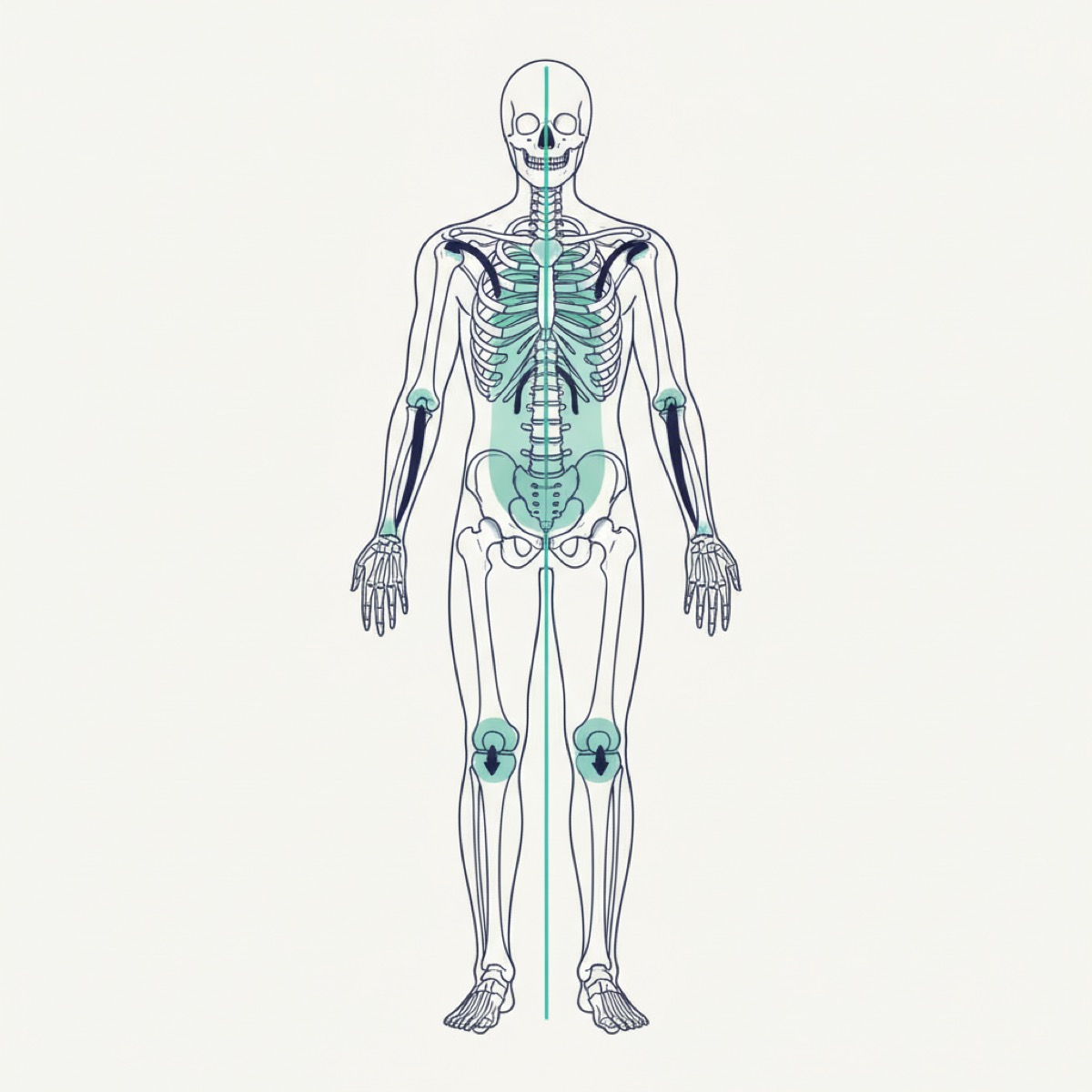
Proper body alignment is essential for reducing strain on muscles and joints. Fascia therapy can help align the body by releasing tension in key areas such as the diaphragm and pelvic region.
As tension is relieved, patients often experience improved posture, with the head, shoulders, and hips better aligned over the heels. This alignment not only reduces pain but also enhances overall mobility.
Frequently asked questions
Is fascia therapy safe? — Fascia therapy is generally considered safe when performed by trained professionals. It involves gentle manipulation of tissues to relieve tension and improve function.
Can fascia therapy help with stress? — Yes, by targeting the vagus nerve and improving the gut-brain axis, fascia therapy can help reduce stress levels and promote relaxation.
How long does a fascia therapy session last? — A typical fascia therapy session can last between 30 to 60 minutes, depending on the individual's needs and the specific techniques used.
References
- [1]Field R, Pourkazemi F, Turton J, Rooney K. Dietary interventions are beneficial for patients with chronic pain: a systematic review with meta-analysis. Pain Med. 2021;22(3):694–714.
- [2]Taljanovic MS, Gimber LH, Becker GW, et al. Shear-wave elastography: basic physics and musculoskeletal applications. RadioGraphics. 2017;37(3):855–870.
- [3]Langevin HM. Connective tissue: a body-wide signaling network? Med Hypotheses. 2006;66(6):1074–1077.
- [4]Schleip R. Fascial plasticity — a new neurobiological explanation. J Bodyw Mov Ther. 2003;7(1):11–19.
- [5]Wilke J, Krause F, Vogt L, Banzer W. What Is Evidence-Based About Myofascial Chains? A Systematic Review. Arch Phys Med Rehabil. 2016;97(3):454–461.
- [6]Krause F, Wilke J, Vogt L, Banzer W. Intermuscular force transmission along myofascial chains: a systematic review. J Anat. 2016;228(6):910–918.