
Stop Shouting at Your Desk. Prove Yourself at the Bedside
Original title (JP): 机の前で吠えるな。ベッドの前で勝負しろ #医師 #料理 #治し方 #日本医療 #美容 #靭帯断裂 #疼痛治療は評価が9割 #肋間筋 #病院

Supervised by
Shogo Fujii
Physiotherapist (PT) · Founder of the SHOGO FUJII® FASCIA METHOD
View profile →Clinical Article · 6 min read
In the dynamic world of physiotherapy, many clinicians and informed patients seek approaches that deliver tangible results, especially for persistent conditions. While academic knowledge forms a crucial foundation, the journey from theory to true healing often reveals a gap. This challenge highlights why **hands-on therapy effectiveness** is increasingly recognized as paramount. For many, including experienced practitioners, the realization that textbook learning alone may not suffice to alleviate significant pain or complex conditions has sparked a re-evaluation of what truly drives positive clinical outcomes.
Why Traditional Approaches Often Fall Short in Achieving Hands-On Therapy Effectiveness
The speaker's initial disillusionment as a licensed physical therapist is a common experience. Despite qualifications and a white coat, the inability to genuinely help patients, particularly those with chronic or complex issues like severe low back pain (especially when complicated by factors such as post-viral conditions), was a profound shock. Traditional methods like exercise therapy and physical modalities, while beneficial for some mild cases, frequently prove inadequate for more severe or persistent problems [1]. This disparity between academic training and real-world clinical outcomes underscores a critical limitation: intellectual understanding alone doesn't always translate into effective patient recovery.
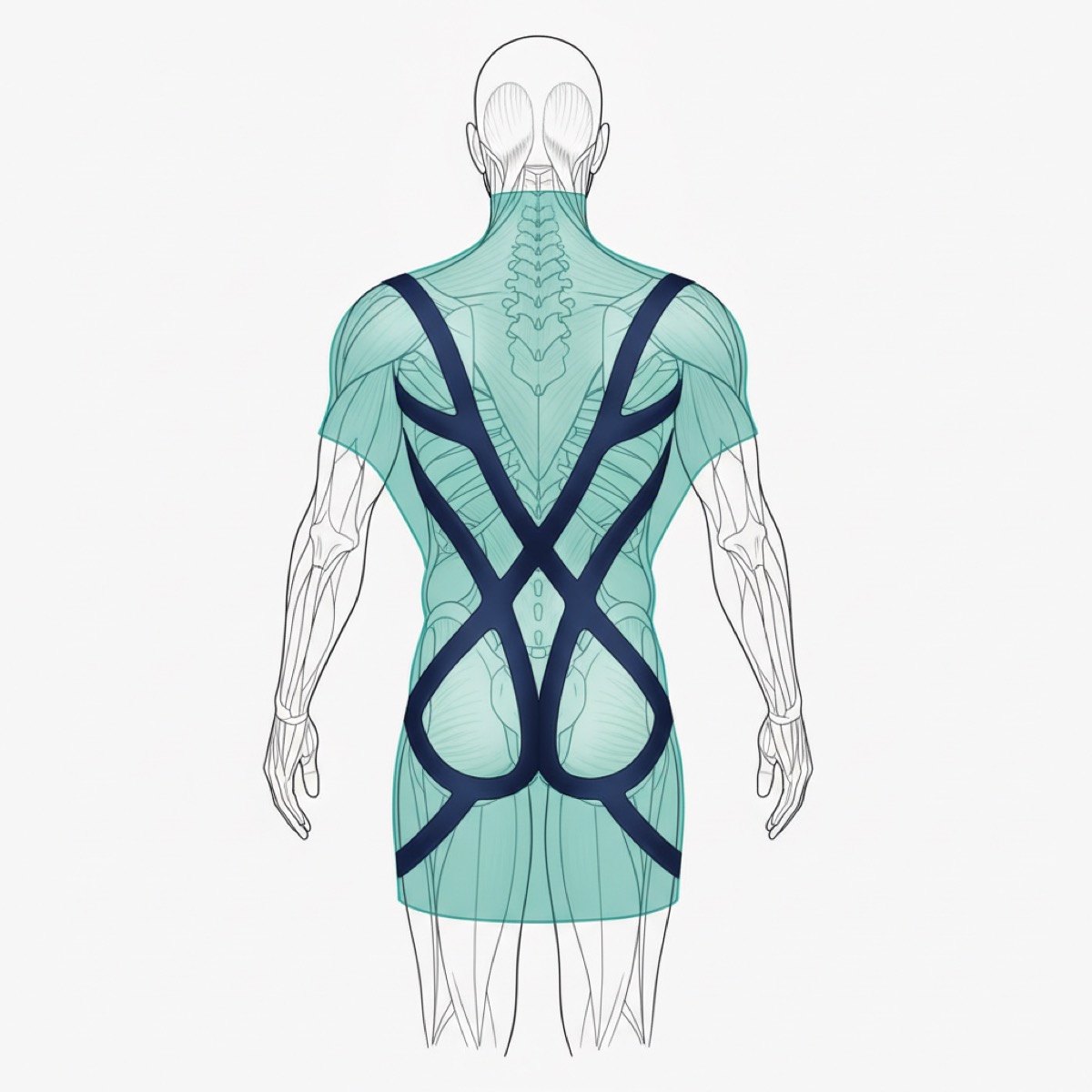
The Pitfalls of Purely Theoretical Knowledge in Clinical Practice
A common path for therapists seeking to improve is to delve deeper into academic literature, attending conferences, and writing papers. While this certainly builds knowledge and refines logical thinking, the speaker found that accumulating vast amounts of information didn't necessarily improve his ability to heal patients. One could eloquently explain conditions and treatments to patients, but without tangible results, the intellectual exercise felt hollow [2]. The pursuit of theoretical understanding, while valuable for developing a logical framework, often overlooks the crucial, nuanced aspects of human touch and individual patient response that are essential for true clinical efficacy.
Embracing the Power of Touch: The True Path to Clinical Results
The turning point for many practitioners, including the speaker, arrives with the realization that effective healing often transcends theoretical knowledge and resides in the hands. The ability to palpate, assess, and treat with a highly developed sense of touch – a "skill and a sensation" – is fundamentally different from merely knowing facts [3]. This tactile acuity allows therapists to connect with the body's intricate systems, like the fascia, in ways that textbook knowledge alone cannot facilitate. It's this profound emphasis on manual skill that truly unlocks **hands-on therapy effectiveness**, enabling therapists to achieve significant improvements where conventional methods have failed. This shift from an academic mindset to a hands-on, results-driven approach can be transformative for both the therapist and the patient.
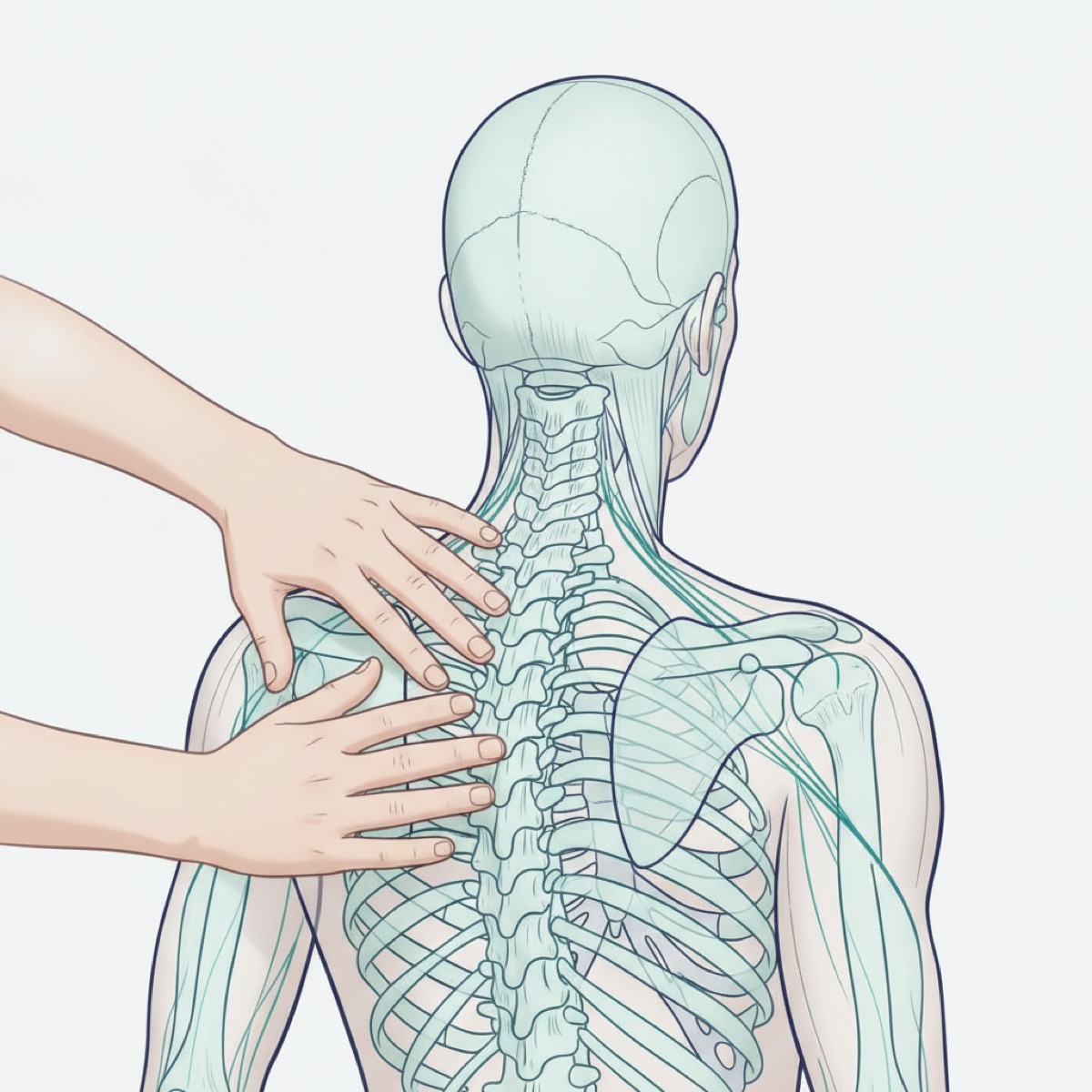
Cultivating Tactile Acuity: A Skill Beyond Textbooks
Developing exceptional tactile skills is not about memorizing anatomical charts; it's about refining a sensory awareness that allows for precise, responsive, and effective intervention. This level of skill empowers therapists to address complex pain patterns and dysfunctions, offering a profound sense of purpose and the joy of truly helping others [4]. The speaker emphasizes that this is a distinct field of practice, one where the ability to "heal with the hands" is prized above academic accolades. For those dedicated to achieving superior clinical results and the deep satisfaction of safeguarding the well-being of loved ones and patients, investing in the mastery of tactile sensation and manual techniques represents a commitment to a higher standard of care [5, 6]. It’s about stepping onto a stage where tangible outcomes are the measure of success.
Frequently asked questions
Is hands-on therapy effective for chronic pain? — Yes, many patients with chronic pain, including conditions like persistent low back pain, report significant relief and improved function through hands-on therapies. While individual results vary, the personalized, tactile approach can address underlying myofascial restrictions and movement dysfunctions that may not respond to other treatments.
How does tactile skill differ from academic knowledge in therapy? — Academic knowledge provides the 'what' and 'why' of anatomy, physiology, and pathology. Tactile skill, however, is the 'how' – the refined ability to feel, assess, and skillfully intervene with the hands, sensing subtle tissue changes and responding appropriately in real-time. It's a practical, sensory art that complements and elevates theoretical understanding.
Can patients benefit from understanding the role of touch in their treatment? — Absolutely. When patients understand that their therapist is employing highly refined tactile skills to identify and address the root causes of their discomfort, it can foster greater trust and engagement in their treatment process. This awareness helps patients appreciate the depth of expertise involved in manual therapy and encourages active participation in their recovery journey.
References
- [1]Zügel M, Maganaris CN, Wilke J, et al. Fascial tissue research in sports medicine: from molecules to tissue adaptation, injury and diagnostics: consensus statement. Br J Sports Med. 2018;52(23):1497.
- [2]Klingler W, Velders M, Hoppe K, Pedro M, Schleip R. Clinical relevance of fascial tissue and dysfunctions. Curr Pain Headache Rep. 2014;18(8):439.
- [3]Wilke J, Vogt L, Niederer D, Banzer W. Is remote stretching based on myofascial chains as effective as local exercise? A randomised-controlled trial. J Sports Sci. 2017;35(20):2021–2027.
- [4]Palomeque-del-Cerro L, Arráez-Aybar LA, Rodríguez-Blanco C, et al. A systematic review of the soft-tissue connections between neck muscles and dura mater: the myodural bridge. Spine. 2017;42(1):49–54.
- [5]Woolf CJ. Central sensitization: implications for the diagnosis and treatment of pain. Pain. 2011;152(3 Suppl):S2–S15.
- [6]Tracey KJ. The inflammatory reflex. Nature. 2002;420(6917):853–859.
Related videos
Palpation X-ray #82 | Therapist Quiz: How Do the Ribs at the Side Move When You Inhale? Answer: They Widen Sideways — Trace the Bones and Grooves on the Chest Wall and Check with a Deep Breath #ShogoFujii #Shorts
0:57
Palpation X-Ray #77: Clench Your Jaw? How to Find the Temple Area: Greater Wing of the Sphenoid Bone. Rest Your Fingers Without Pressing, Confirm by Biting Your Back Teeth
0:57