Instant Relief for Shoulder Pain
Original title (JP): 肩の痛みを一発で治す動画 #筋膜 #治し方 #藤井翔悟 #美容 #治し方

Supervised by
Shogo Fujii
Physiotherapist (PT) · Founder of the SHOGO FUJII® FASCIA METHOD
View profile →Clinical Article · 5 min read
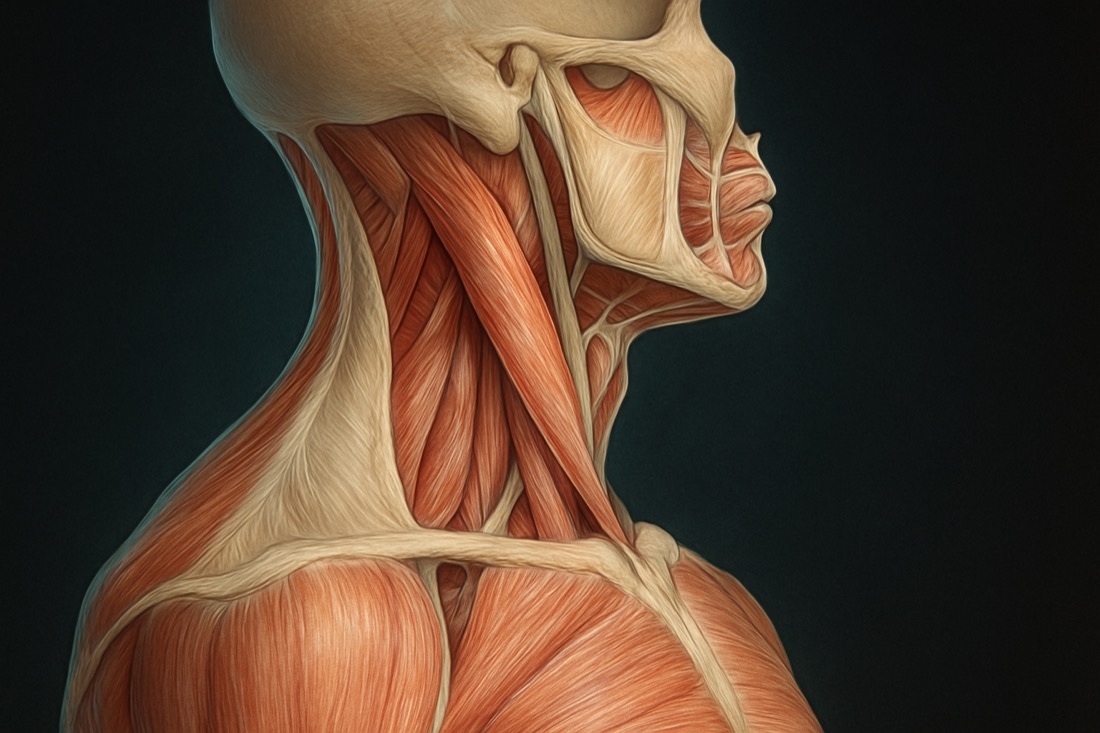
If you're experiencing persistent neck and shoulder pain, understanding fascia release techniques could be your key to relief. This approach, popularized by experts like Shogo Fujii, focuses on identifying and addressing the root causes of discomfort. Learn how specific muscle adjustments can alleviate pain and improve mobility.
Why does my neck and shoulder hurt?
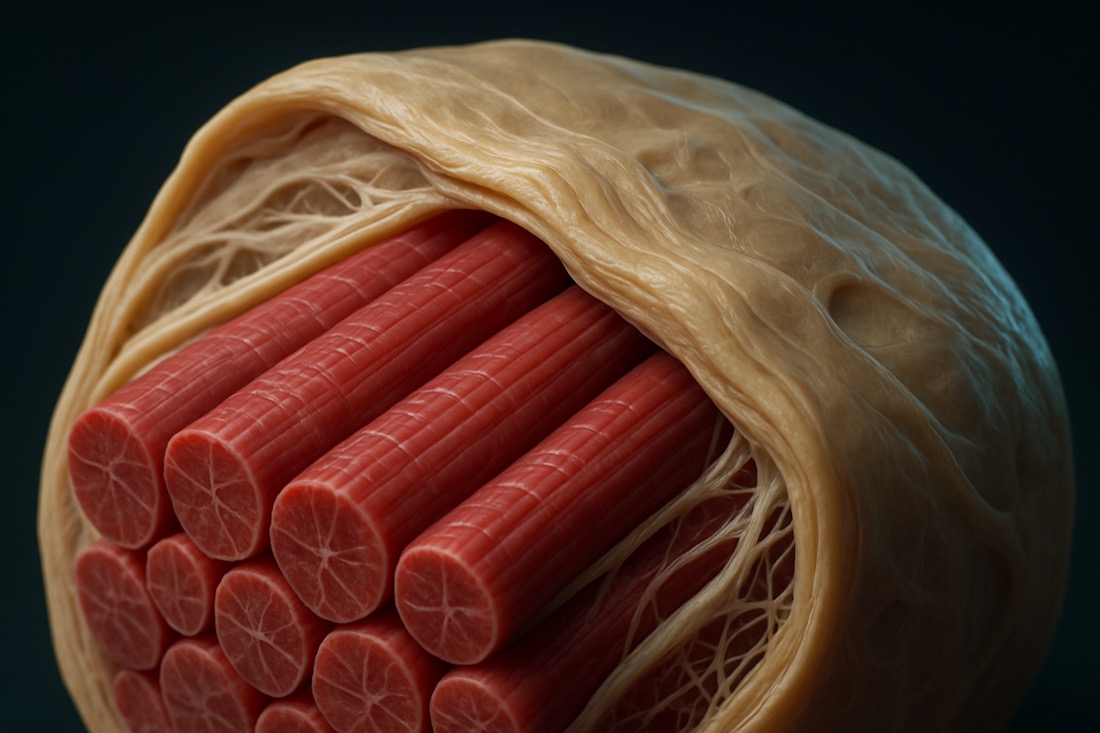
Neck and shoulder pain often stems from tension and misalignment in the muscles and fascia surrounding these areas. Fascia, the connective tissue enveloping muscles, can become tight due to stress or injury, leading to discomfort and restricted movement. Identifying the source of pain is crucial for effective treatment.
In the video by Shogo Fujii, he demonstrates how high-pressure stimulation can help locate the pain's origin. By gently manipulating the opponens pollicis and brachioradialis muscles, practitioners can assess and address the problem areas, providing immediate relief.
How does fascia release work for pain relief?
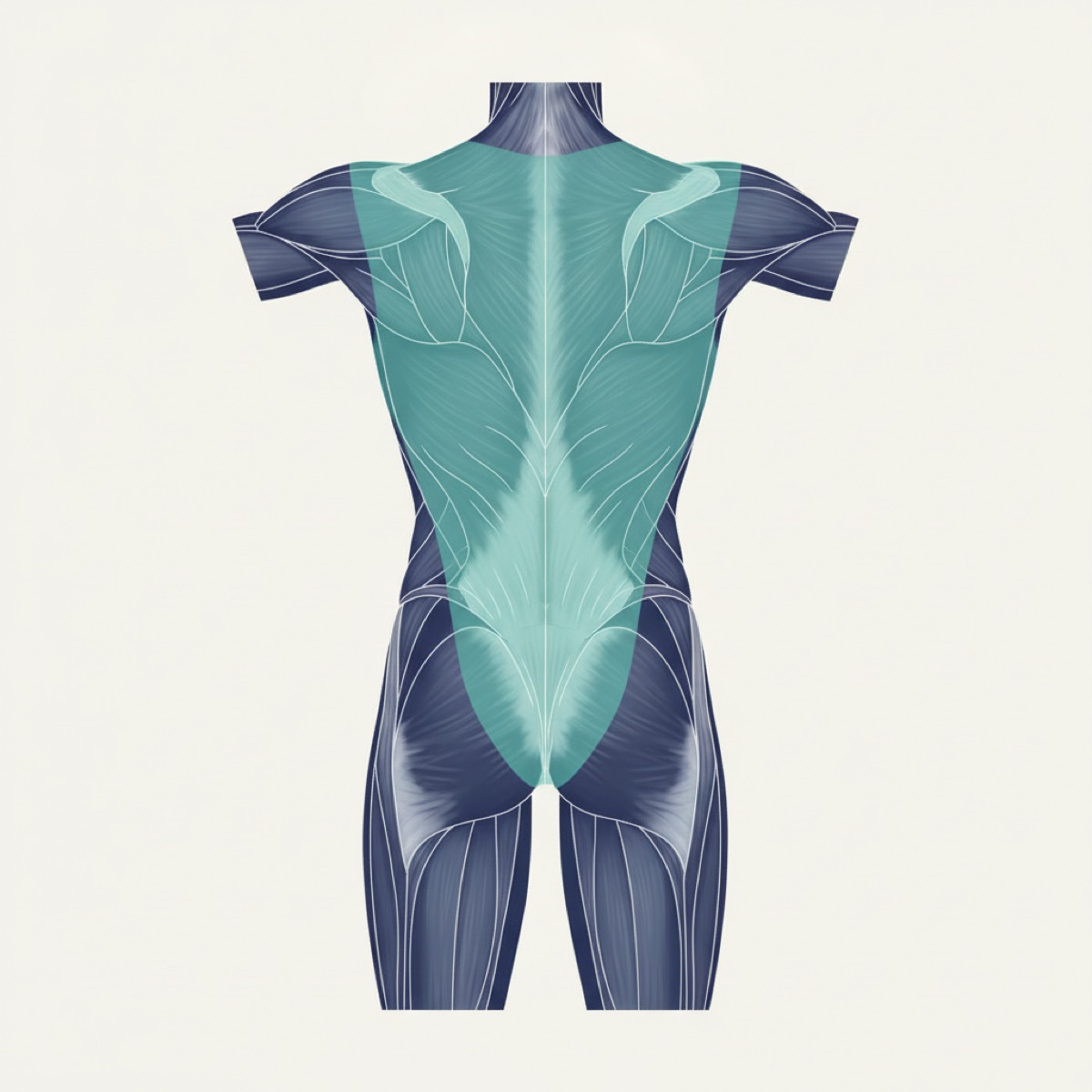
Fascia release involves targeted pressure and movement to restore muscle alignment and reduce tension. This technique can significantly decrease pain levels by helping muscles return to their correct positions. Fujii's method shows that even minor adjustments can lead to noticeable improvements in mobility and comfort.
During the session, patients may be asked to perform specific movements while pressure is applied to key areas. This interaction helps in realigning the muscles and fascia, which can quickly reduce pain sensations.
What should I expect during a fascia release session?
A typical fascia release session begins with the practitioner identifying the pain's location through touch and movement. The process involves applying pressure to specific muscles while the patient performs guided movements. This approach not only helps in reducing pain but also improves the range of motion.
Patients should expect a reduction in pain intensity by one or two levels on a pain scale, as reported by Fujii's patients. Breathing techniques, such as inhaling through the nose and exhaling through the mouth, are often incorporated to enhance relaxation and effectiveness.
Can fascia release improve shoulder function?
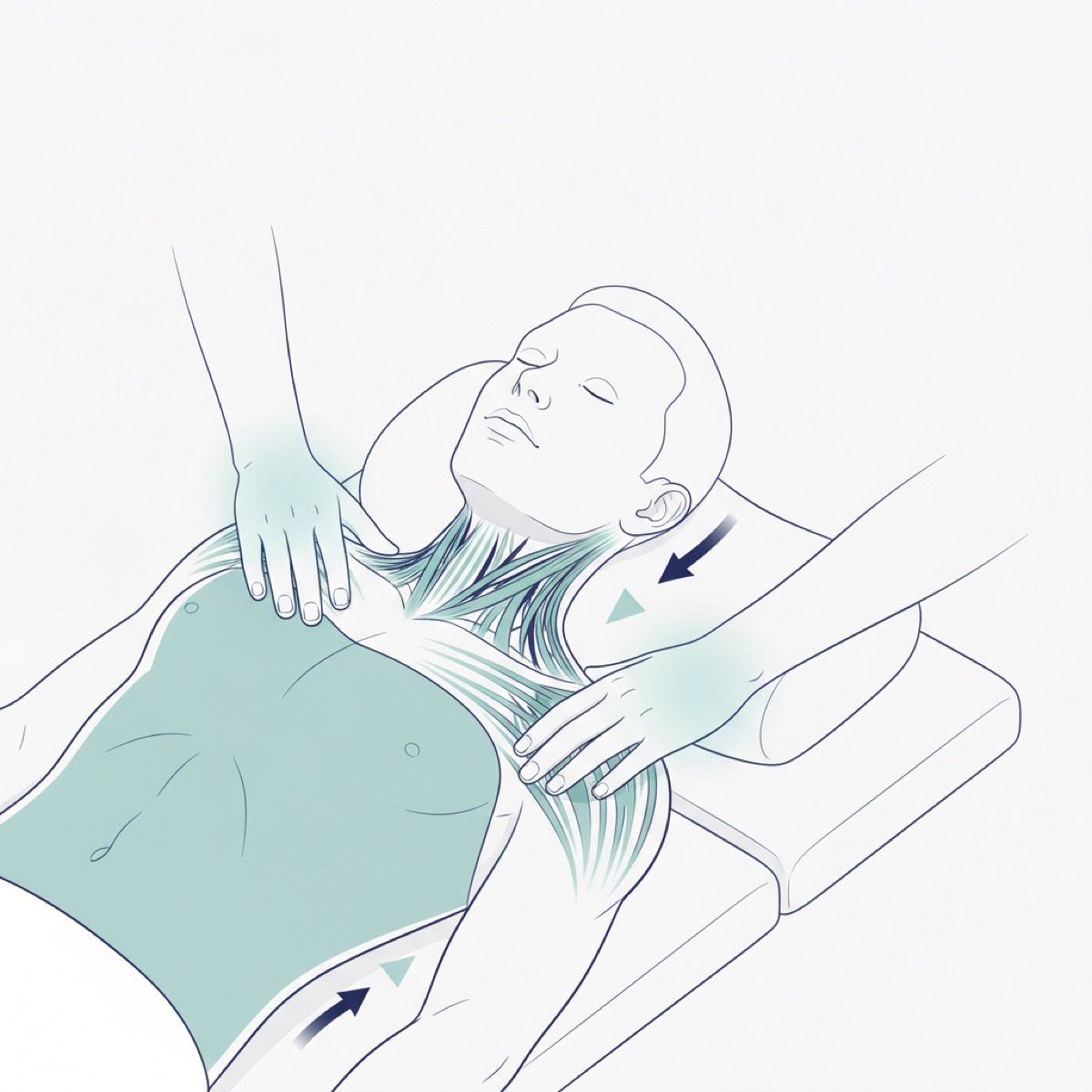
Yes, fascia release can significantly enhance shoulder function by addressing the underlying issues causing pain and restriction. Fujii's technique focuses on stimulating the muscles and ligaments around the shoulder to promote proper alignment and mobility.
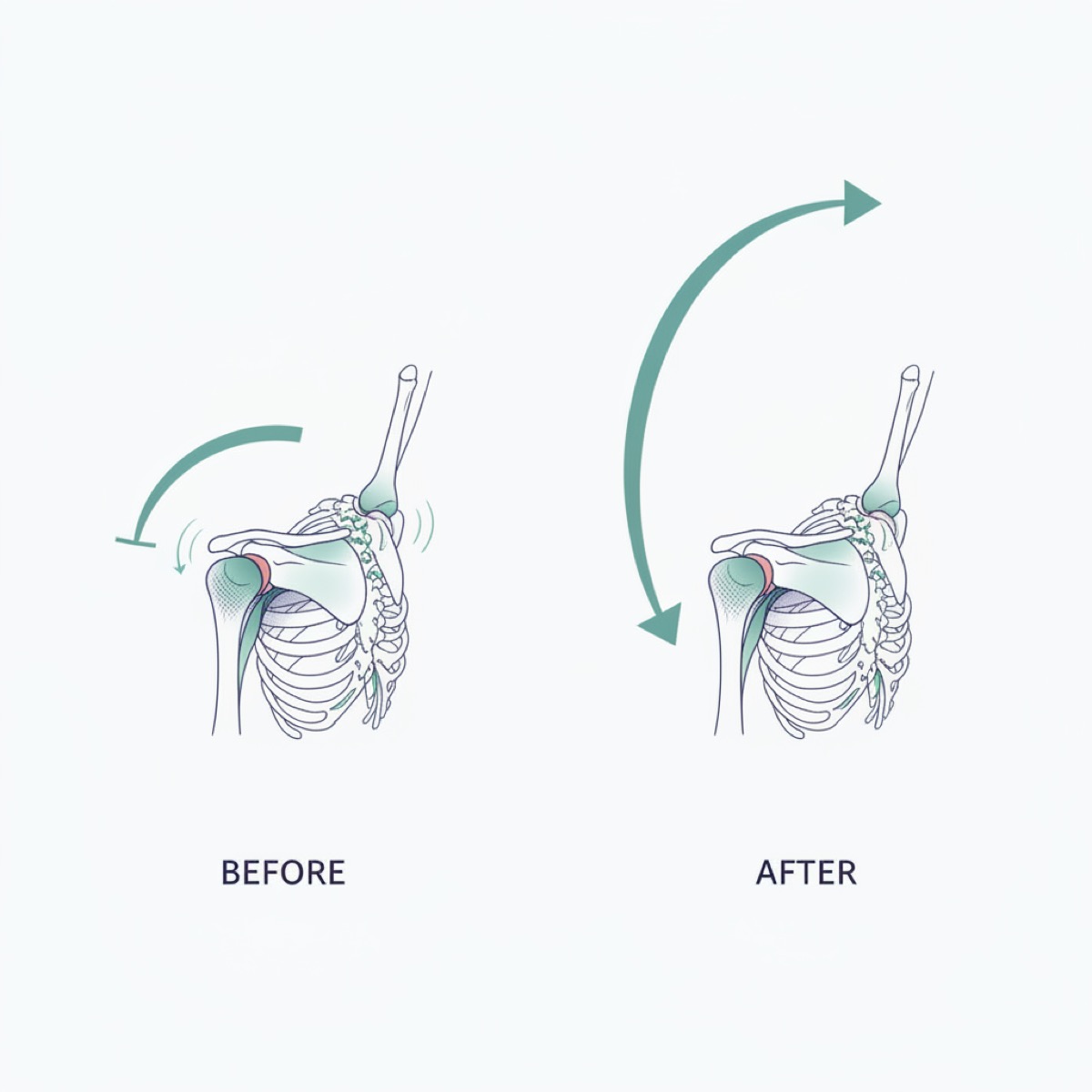
After a few adjustments, patients often report a noticeable improvement in shoulder extension and a change in the shoulder's shape. This indicates a successful realignment of the fascia and muscles, leading to better overall function.
Frequently asked questions
Is fascia release safe? — Fascia release is generally considered safe when performed by a trained practitioner. It is non-invasive and focuses on gentle manipulation to reduce pain and improve function.
How often should I have fascia release therapy? — The frequency of therapy sessions depends on the individual's condition and response to treatment. Some may benefit from weekly sessions, while others find relief with less frequent visits.
Can I perform fascia release at home? — While certain techniques can be practiced at home, it's crucial to learn proper methods from a professional to avoid injury. Always consult a trained therapist before attempting self-care.
References
- [1]Klingler W, Velders M, Hoppe K, Pedro M, Schleip R. Clinical relevance of fascial tissue and dysfunctions. Curr Pain Headache Rep. 2014;18(8):439.
- [2]Wilke J, Vogt L, Niederer D, Banzer W. Is remote stretching based on myofascial chains as effective as local exercise? A randomised-controlled trial. J Sports Sci. 2017;35(20):2021–2027.
- [3]Palomeque-del-Cerro L, Arráez-Aybar LA, Rodríguez-Blanco C, et al. A systematic review of the soft-tissue connections between neck muscles and dura mater: the myodural bridge. Spine. 2017;42(1):49–54.
- [4]Woolf CJ. Central sensitization: implications for the diagnosis and treatment of pain. Pain. 2011;152(3 Suppl):S2–S15.
- [5]Tracey KJ. The inflammatory reflex. Nature. 2002;420(6917):853–859.
- [6]Mayer EA. Gut feelings: the emerging biology of gut–brain communication. Nat Rev Neurosci. 2011;12(8):453–466.