Self-Paid Fascia Release Techniques for Flat Feet and Bunions
Original title (JP): 扁平足 外反母趾を治す自費筋膜リリーステクニック #筋膜 #美容 #治し方 #藤井翔悟

Supervised by
Shogo Fujii
Physiotherapist (PT) · Founder of the SHOGO FUJII® FASCIA METHOD
View profile →Clinical Article · 5 min read
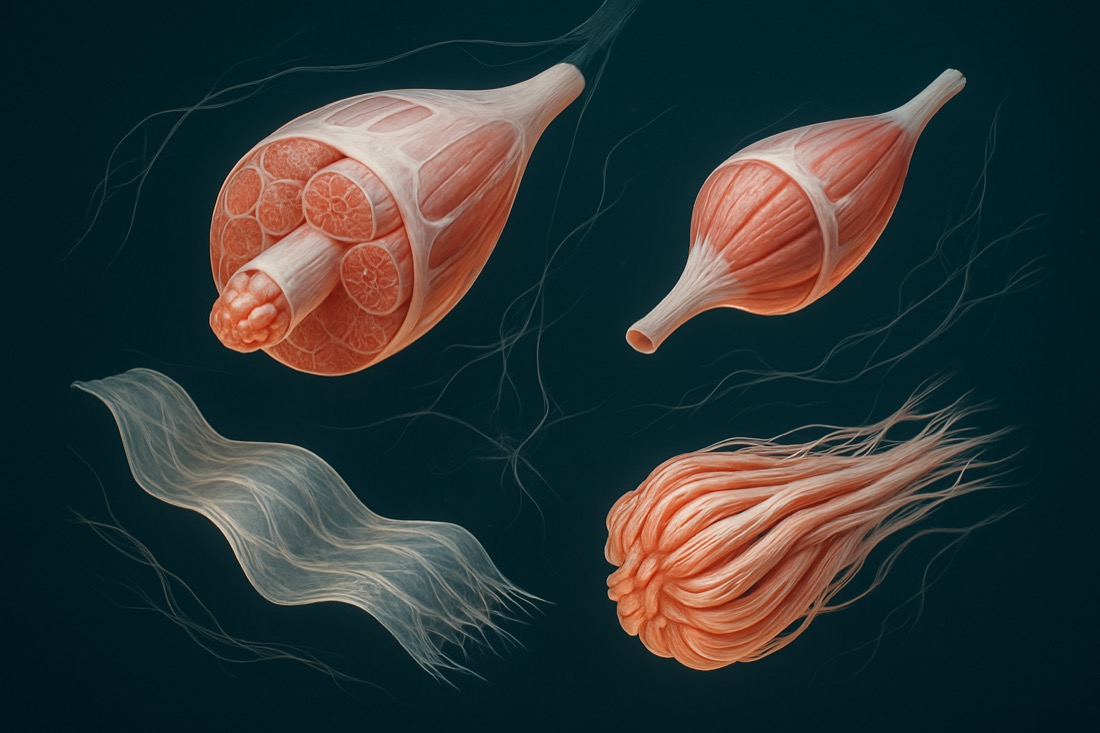
Fascia release for flat feet and bunions can significantly improve foot stability and reduce discomfort. By understanding the intricate relationship between bones and fascia, we can employ targeted techniques to address these common foot issues. This article explores the theory and application of self-paid fascia release methods.
How does fascia release help flat feet and bunions?
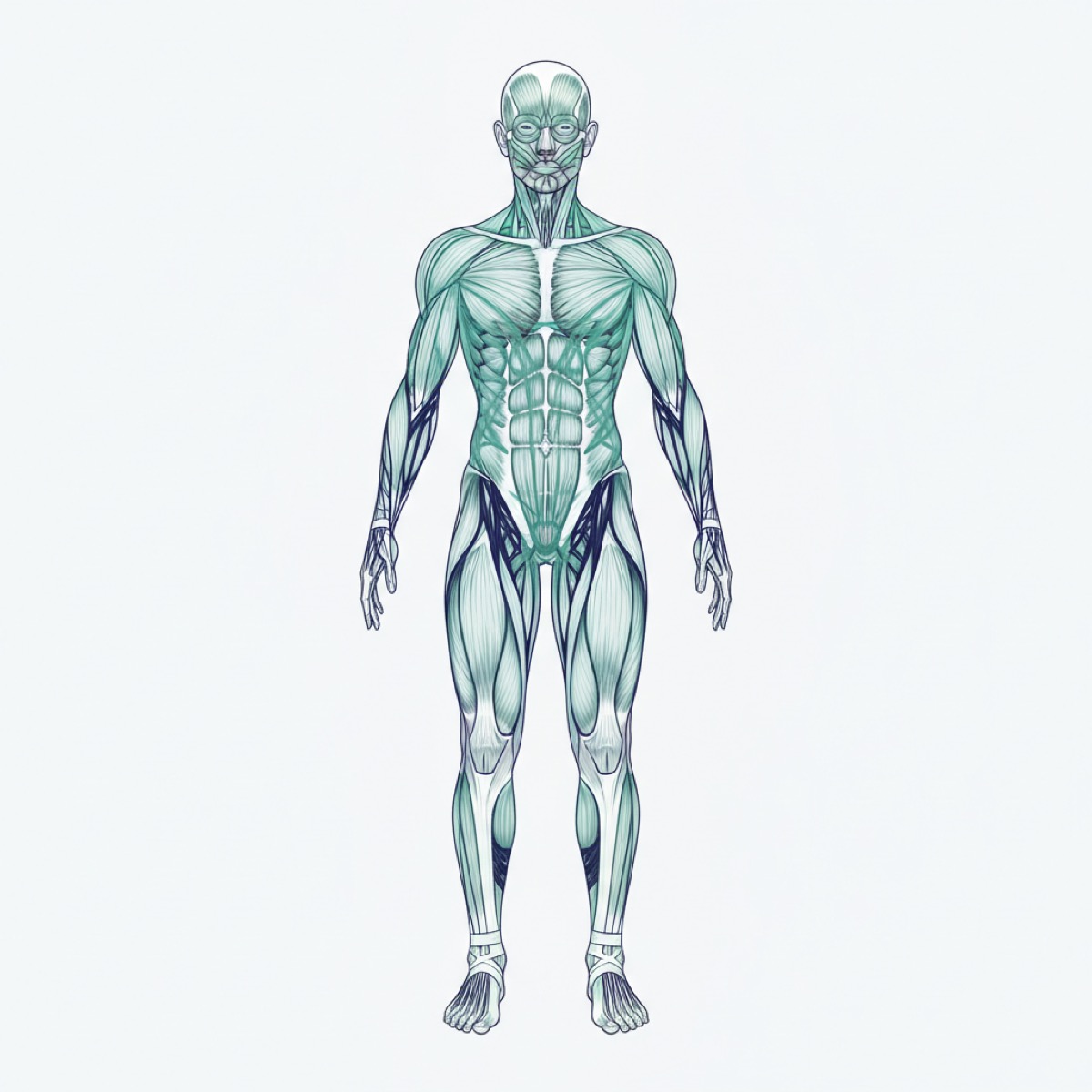
Fascia release techniques can be highly beneficial for individuals suffering from flat feet and bunions. The process involves applying pressure to specific areas of the foot to realign bones and reduce tension in the fascia. This can lead to a noticeable improvement in foot posture and function, making it easier to engage the muscles effectively[1].
In flat feet, the arch of the foot collapses, leading to misalignment and discomfort. Fascia release aims to address these issues by gently manipulating the bones and fascia to restore a more natural foot shape. Similarly, bunions, which are bony protrusions at the base of the big toe, can also be managed by targeting the surrounding fascia to alleviate pain and improve mobility[2].
What techniques are used in fascia release for feet?
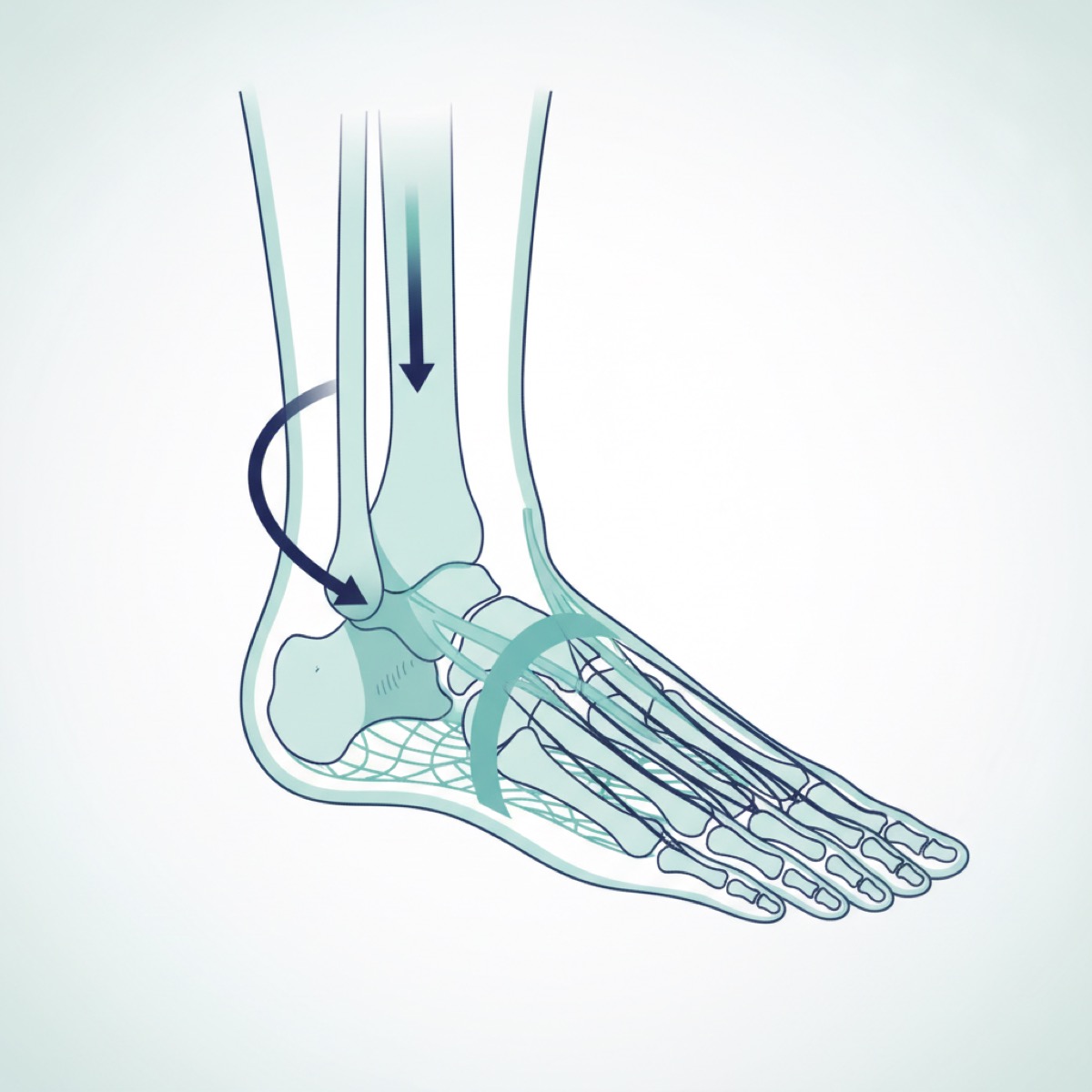
The video by Shogo Fujii highlights specific movements that involve simultaneous pressure on bones while moving them in various directions. This technique helps in realigning the bones and reducing tension in the fascia. By applying downward pressure and rotating the bones, practitioners can facilitate a better alignment and function of the foot[3].
Another technique involves abducting and dorsiflexing the toes to engage the muscles and fascia effectively. This repetitive process can lead to a gradual improvement in foot stability and a reduction in the size and impact of bunions. These techniques are designed to be simple enough for self-application, allowing individuals to manage their foot health independently[4].
Why is foot stability important?
Foot stability is crucial for overall balance and mobility. When the foot's structure is compromised, as in the case of flat feet or bunions, it can lead to a chain reaction of problems throughout the body, including knee, hip, and back pain. Fascia release can help restore stability by ensuring that the foot's bones and fascia are correctly aligned and functioning[5].
Improved foot stability not only alleviates local discomfort but also enhances the body's ability to perform daily activities without strain. By addressing the root causes of instability through fascia release, individuals can experience a more balanced and pain-free movement[6].
What results can you expect from fascia release?
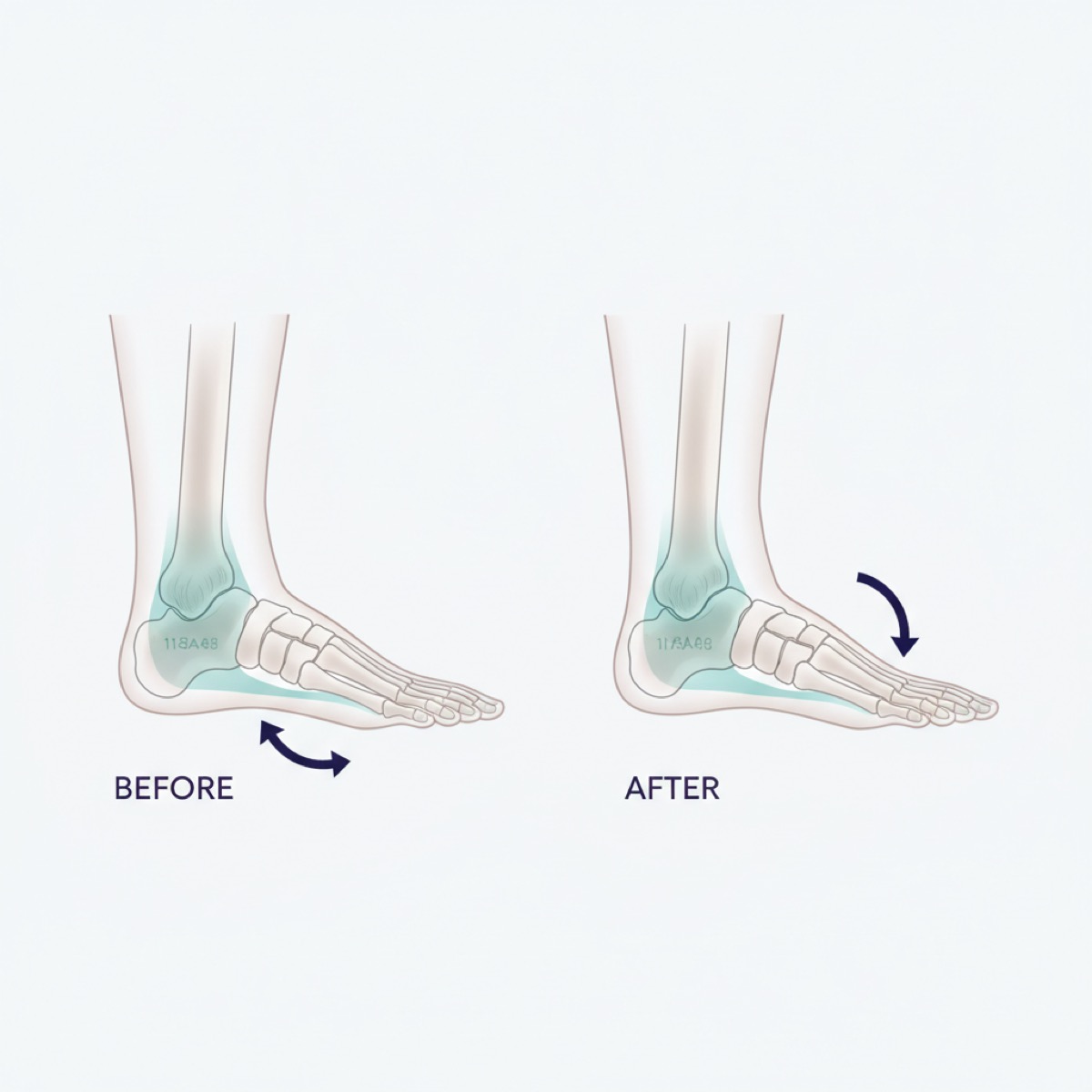
Individuals who practice fascia release for flat feet and bunions often report a reduction in foot size and improved muscle engagement. This can lead to a more comfortable and stable posture, even with a smaller surface area of the foot in contact with the ground. The techniques offer a non-invasive way to enhance foot health and functionality.
While the results can be significant, they are not instantaneous. Consistent practice of fascia release techniques is necessary to see long-term improvements. It is also important to note that while fascia release can aid in managing symptoms, it may not completely eliminate the underlying structural issues without additional interventions.
Frequently asked questions
Is fascia release safe? — Fascia release is generally considered safe when performed correctly. It is important to follow the techniques as instructed and consult a healthcare professional if you experience pain.
How often should I perform fascia release? — For best results, fascia release can be performed daily or several times a week, depending on individual needs and comfort levels.
Can fascia release cure bunions? — While fascia release can help manage the symptoms of bunions, it may not cure them completely. It can, however, provide significant relief and improve foot function.
References
- [1]Schleip R. Fascial plasticity — a new neurobiological explanation. J Bodyw Mov Ther. 2003;7(1):11–19.
- [2]Wilke J, Krause F, Vogt L, Banzer W. What Is Evidence-Based About Myofascial Chains? A Systematic Review. Arch Phys Med Rehabil. 2016;97(3):454–461.
- [3]Krause F, Wilke J, Vogt L, Banzer W. Intermuscular force transmission along myofascial chains: a systematic review. J Anat. 2016;228(6):910–918.
- [4]Stecco C, Stern R, Porzionato A, et al. Hyaluronan within fascia in the etiology of myofascial pain. Surg Radiol Anat. 2011;33(10):891–896.
- [5]Ajimsha MS, Al-Mudahka NR, Al-Madzhar JA. Effectiveness of myofascial release: a systematic review of randomized controlled trials. J Bodyw Mov Ther. 2015;19(1):102–112.
- [6]Tozzi P, Bongiorno D, Vitturini C. Fascial release effects on patients with non-specific cervical or lumbar pain. J Bodyw Mov Ther. 2011;15(4):405–416.
Related videos
Balancing the Body through the Gut-Brain Axis: Proven Techniques by Professionals
1:00
Enhancing Tanden Power: Effective Squat Techniques for Therapists
1:15