Instant Relief for Shoulder Pain: Shogo Fujii's Fascia Release Techniques
Original title (JP): 肩の痛みを一撃で治す藤井翔悟の筋膜リリース #藤井翔悟 #治し方 #筋膜 #理学療法 #筋膜整体

Supervised by
Shogo Fujii
Physiotherapist (PT) · Founder of the SHOGO FUJII® FASCIA METHOD
View profile →Clinical Article · 5 min read
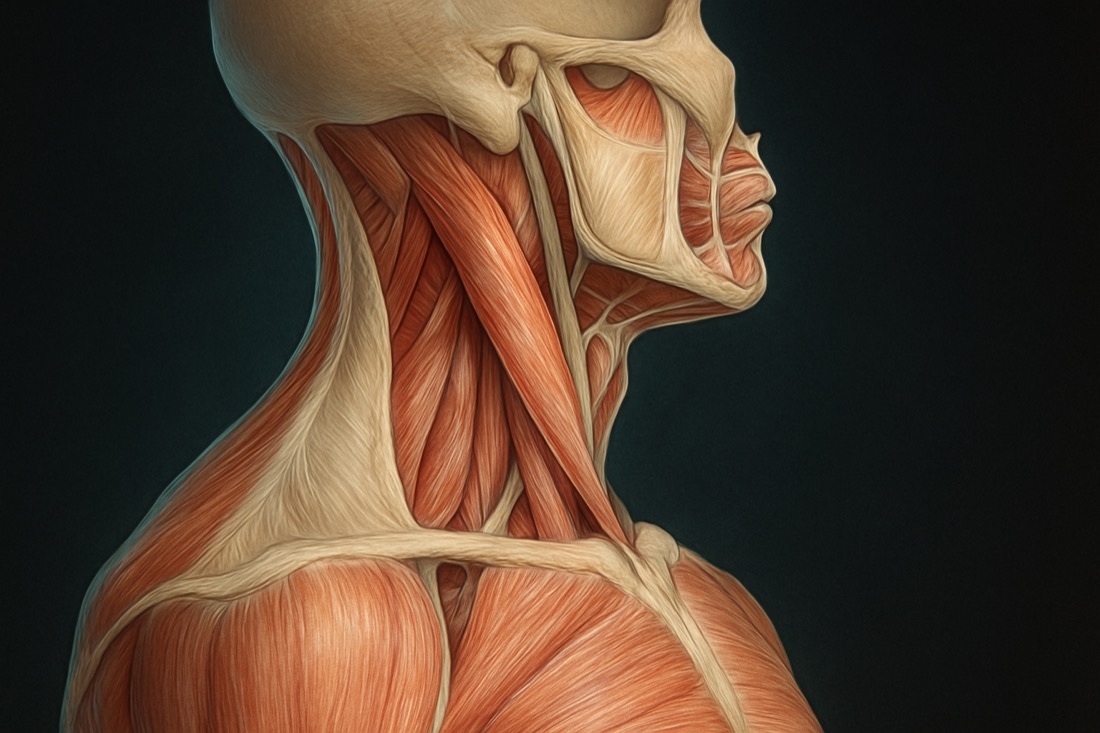
For those struggling with persistent neck and shoulder pain, Shogo Fujii's fascia release techniques offer a promising approach. By gently manipulating the fascia and addressing skeletal misalignments, these methods provide relief and improve mobility. Whether you're a clinician or an informed patient, understanding these techniques can be a game-changer in managing discomfort.
Why does my shoulder hurt at night?
Shoulder pain that intensifies at night can be perplexing for many. This discomfort often stems from issues like frozen shoulder or misalignments in the scapula or radial bones. These misalignments can cause the fascia, a connective tissue network, to become twisted or strained, leading to pain when the shoulder is moved or even at rest.
Fujii's approach suggests that by gently adjusting the radial bone and engaging specific muscles, such as the adductor muscles of the thumb, the misalignment can be corrected. This helps reduce the tension in the fascia, alleviating the pain and allowing for more restful sleep.
How fascia release works for shoulder pain
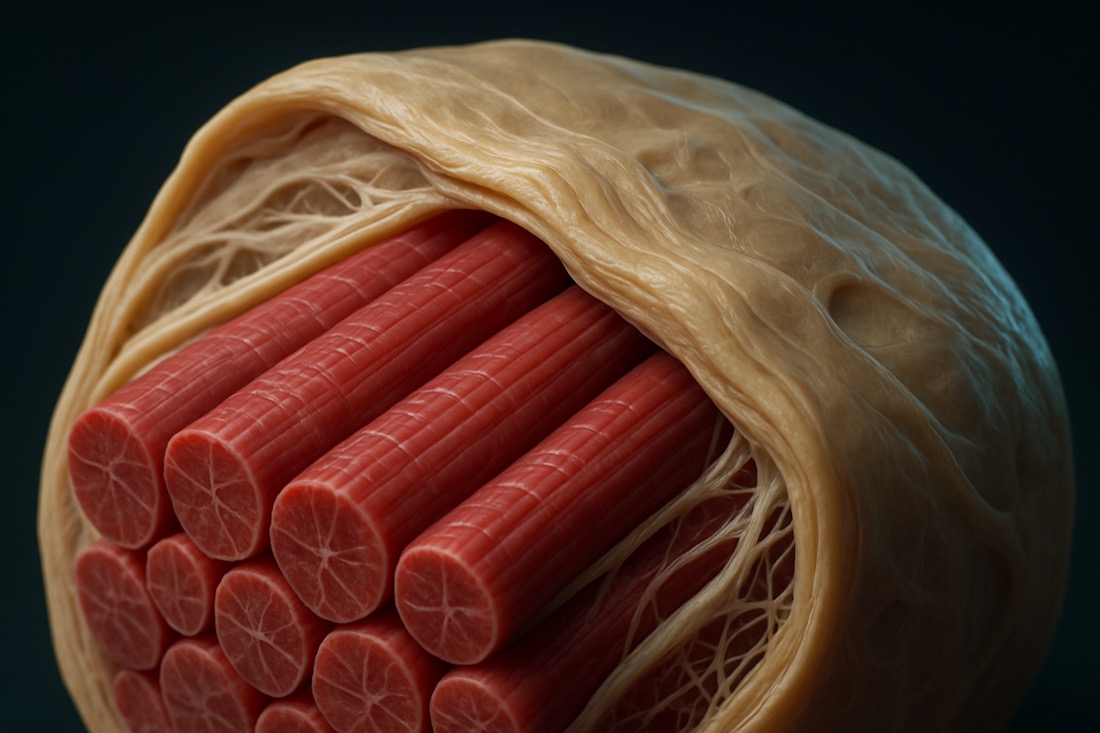
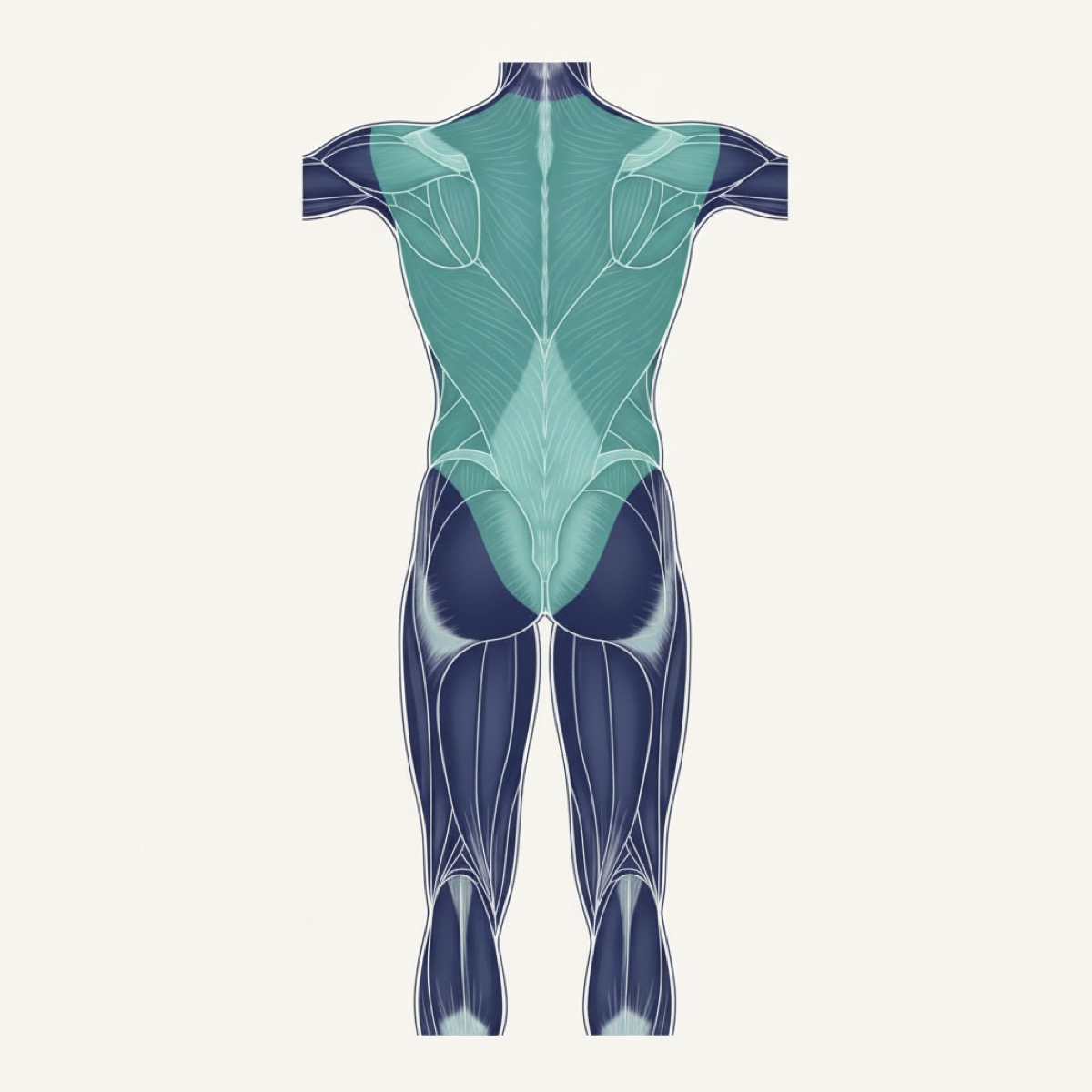
Fascia release involves manipulating the body's connective tissues to relieve tension and improve movement. In the case of shoulder pain, this technique focuses on resetting the alignment of bones like the radial bone, which can become dislocated, causing strain on the fascia.
By using specific hand movements to lift and adjust these bones, alongside applying pressure to key muscle areas, the fascia can be 'unwound'. This process not only alleviates pain but also enhances overall mobility, making daily activities more manageable.
What to expect during a fascia release session
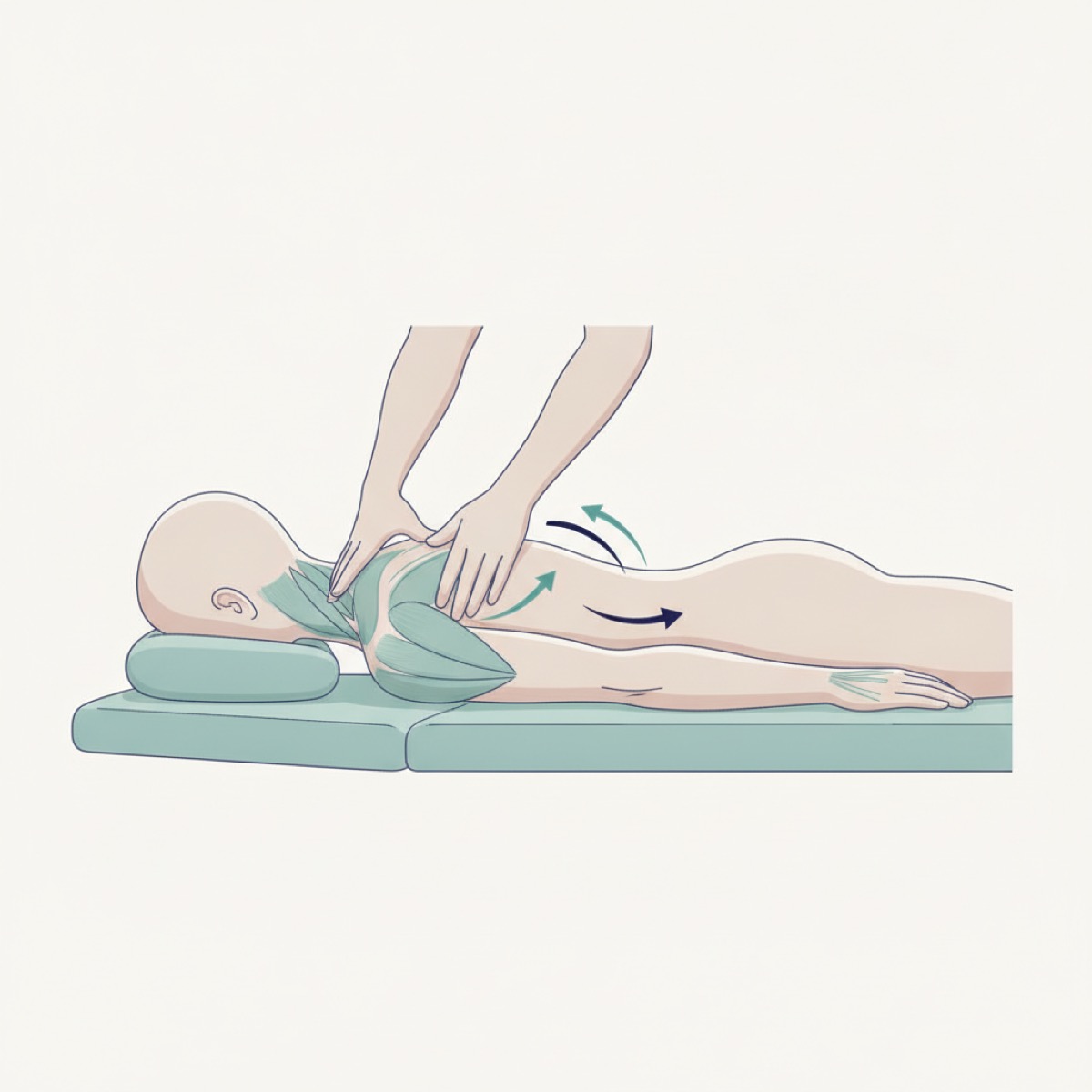
During a fascia release session with Shogo Fujii, you can expect a hands-on approach that targets specific areas of discomfort. The process involves the practitioner using their fingers to apply pressure and adjust the position of certain bones gently. This tactile feedback is crucial in determining the right amount of pressure and adjustment needed.
Patients often report a sensation of relief as the fascia begins to release. While the initial manipulation might feel unusual, many find that the pain they rated as a '6' on a pain scale diminishes significantly post-session. This immediate feedback can be both surprising and reassuring.
Benefits of fascia release for neck and shoulder pain
The benefits of fascia release extend beyond mere pain relief. By addressing the root cause of the discomfort, such as bone misalignments and fascia tension, patients often experience improved range of motion and flexibility. This can lead to better posture and reduced strain on other parts of the body.
Moreover, consistent fascia release therapy can prevent future injuries by maintaining the proper alignment of the skeletal structure. For those suffering from chronic conditions like frozen shoulder or repetitive strain injuries, this approach offers a non-invasive alternative to traditional treatments.
Frequently asked questions
Is fascia release safe? — Fascia release is generally considered a safe therapy when performed by trained professionals. It is non-invasive and focuses on gentle manipulation, which minimizes the risk of adverse effects.
How quickly can I expect results? — Many patients report immediate relief after a session, though the extent of relief can vary. Regular sessions may be required for long-term benefits and to address chronic issues.
Can fascia release help with other types of pain? — Yes, fascia release can be beneficial for various musculoskeletal pains, including lower back pain and tension headaches. Its holistic approach addresses the underlying causes of discomfort rather than just symptoms.
References
- [1]Langevin HM. Connective tissue: a body-wide signaling network? Med Hypotheses. 2006;66(6):1074–1077.
- [2]Schleip R. Fascial plasticity — a new neurobiological explanation. J Bodyw Mov Ther. 2003;7(1):11–19.
- [3]Wilke J, Krause F, Vogt L, Banzer W. What Is Evidence-Based About Myofascial Chains? A Systematic Review. Arch Phys Med Rehabil. 2016;97(3):454–461.
- [4]Krause F, Wilke J, Vogt L, Banzer W. Intermuscular force transmission along myofascial chains: a systematic review. J Anat. 2016;228(6):910–918.
- [5]Stecco C, Stern R, Porzionato A, et al. Hyaluronan within fascia in the etiology of myofascial pain. Surg Radiol Anat. 2011;33(10):891–896.
- [6]Ajimsha MS, Al-Mudahka NR, Al-Madzhar JA. Effectiveness of myofascial release: a systematic review of randomized controlled trials. J Bodyw Mov Ther. 2015;19(1):102–112.