Ultimate Neutral Release Techniques at the Lower Dantian
Original title (JP): 下丹田で触れる、究極のニュートラルリリース #筋膜 #治し方 #藤井翔悟

Supervised by
Shogo Fujii
Physiotherapist (PT) · Founder of the SHOGO FUJII® FASCIA METHOD
View profile →Clinical Article · 5 min read
Fascia release techniques at the lower dantian can transform your therapeutic touch, enhancing your ability to connect deeply with your patients. In this article, we explore Shogo Fujii's unique approach to fascia therapy, focusing on the power of the lower dantian. Clinicians and informed patients alike can benefit from these insights to improve their practice and understanding of fascia dynamics.
How does fascia release enhance therapeutic touch?
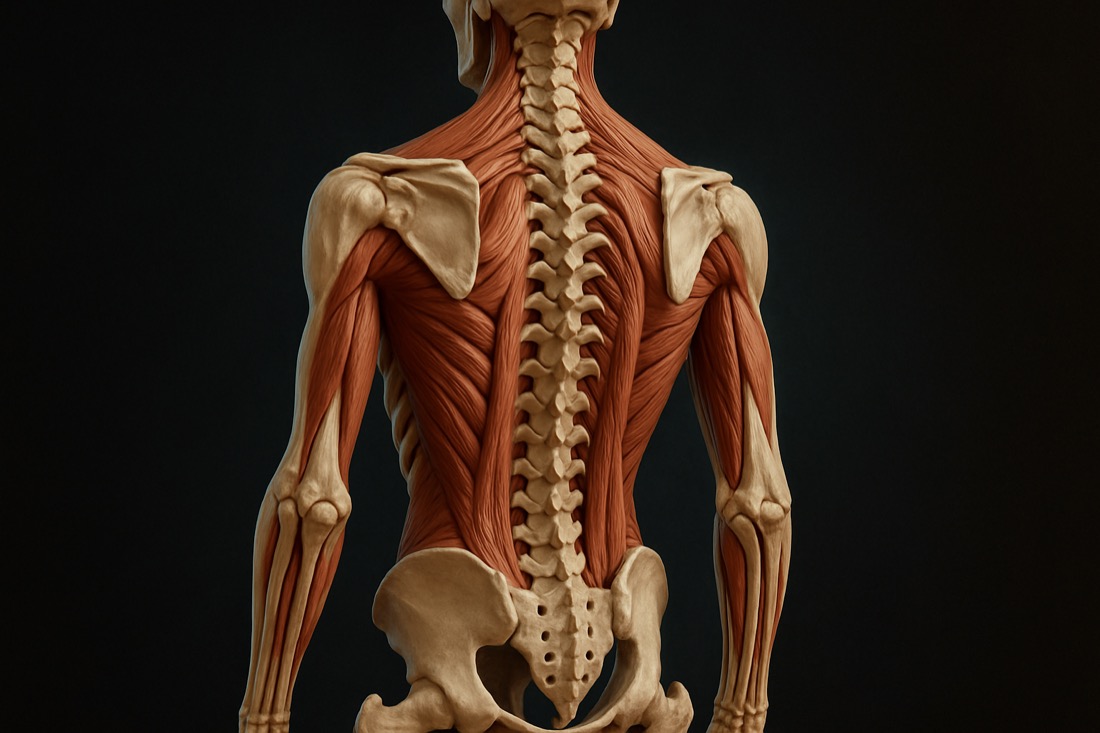
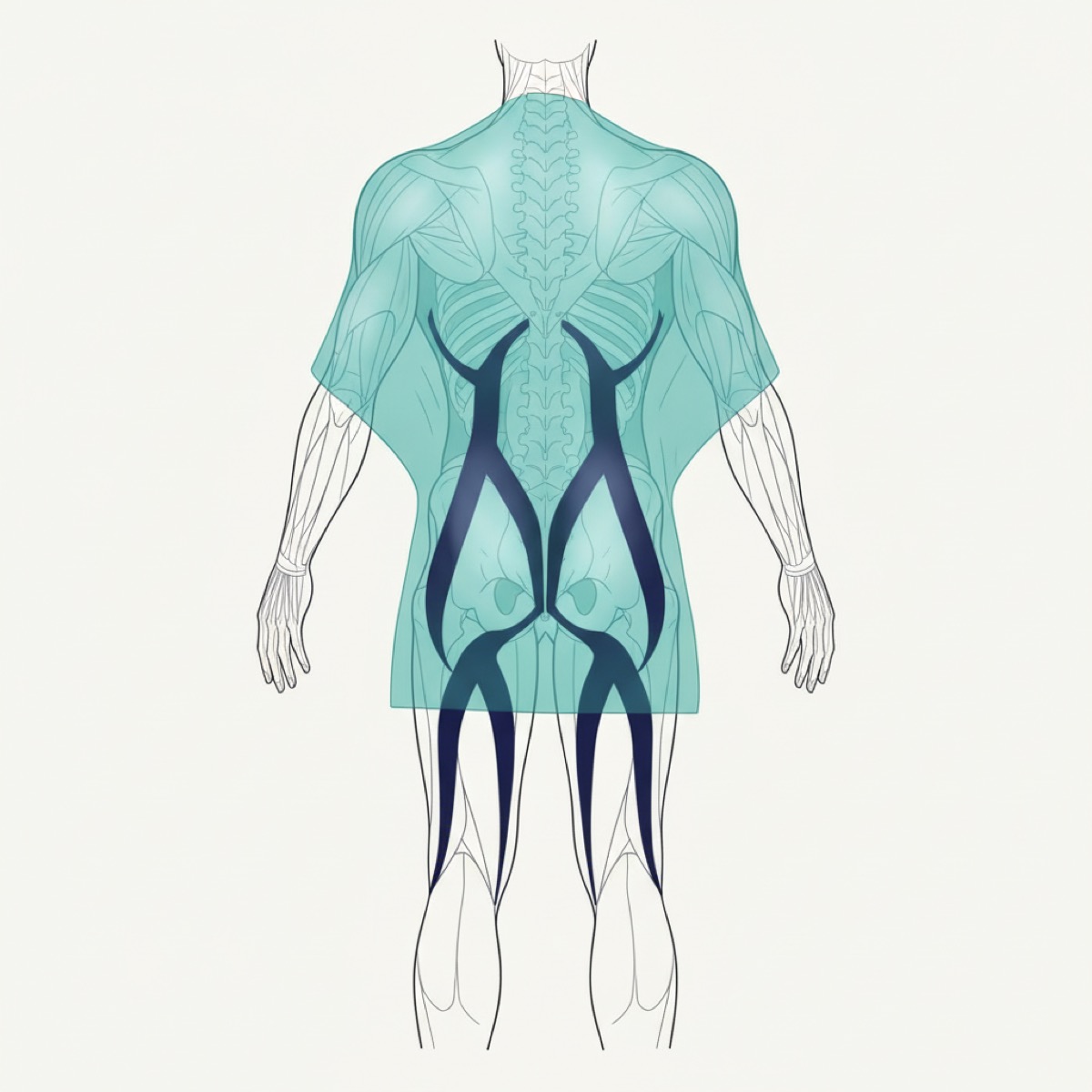
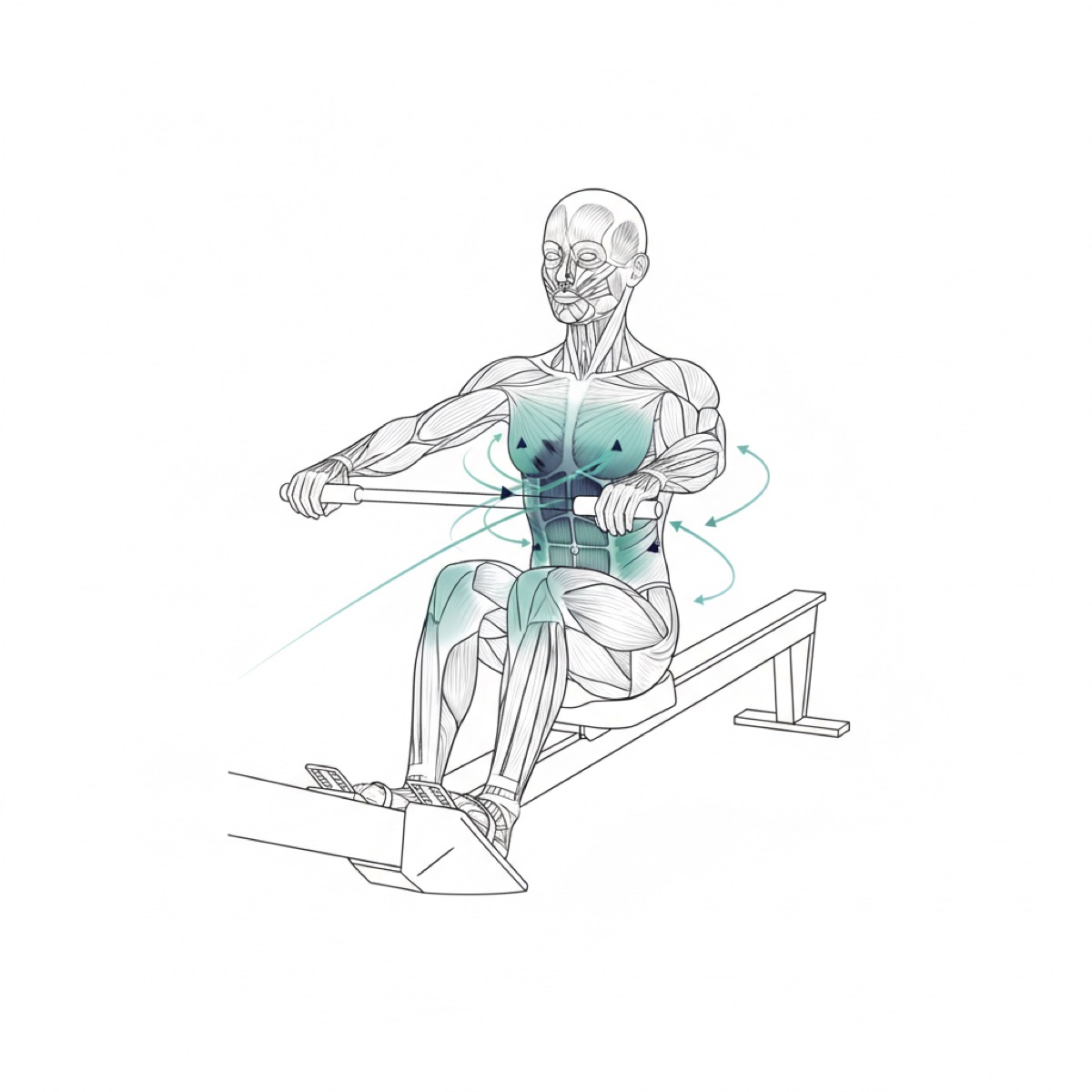
Fascia release, particularly when focused on the lower dantian, can significantly enhance a therapist's touch. Shogo Fujii emphasizes the importance of engaging the core and back muscles through specific exercises, such as rowing, to develop a more effective and intuitive touch. By strengthening these areas, therapists can draw energy and stability from the lower dantian, leading to a more profound connection with the patient's tissue.
The lower dantian is a vital energy center located in the lower abdomen, traditionally recognized in Eastern practices as a source of power and balance. By harnessing this energy, therapists can improve their tactile sensitivity, allowing for a more nuanced interaction with the fascia. This approach can help in reducing strain on the fingers and hands, which is a common issue among practitioners who rely solely on manual pressure.
Why focus on the lower dantian for fascia therapy?
Focusing on the lower dantian in fascia therapy offers several benefits, including improved balance, stability, and energy flow. The lower dantian serves as a reservoir of qi, or life energy, which can be harnessed to enhance the effectiveness of therapeutic techniques. By grounding their touch in this area, therapists can achieve a more centered and powerful connection with the patient's fascia.
Shogo Fujii's approach involves exercises that integrate the lower dantian's energy with physical movements, such as rowing, to reinforce the connection between mind and body. This holistic method not only enhances the therapist's touch but also supports the patient's overall well-being by promoting a harmonious balance of energy throughout the body.
What exercises support fascia release from the lower dantian?
Exercises like rowing are particularly beneficial for engaging the lower dantian in fascia release practice. Shogo Fujii demonstrates how these movements target the core, back, and lower body muscles, creating a stable foundation from which to deliver therapeutic touch. By incorporating these exercises into regular practice, therapists can enhance their strength and flexibility, which are crucial for effective fascia manipulation.
Rowing exercises not only build physical strength but also cultivate greater awareness of the body's energy flow. This awareness is essential for therapists aiming to apply fascia release techniques effectively. By focusing on the lower dantian during these exercises, practitioners can better harness their body's intrinsic energy, leading to more precise and effective treatments.
How can therapists integrate lower dantian techniques into practice?
Integrating lower dantian techniques into practice involves a combination of physical exercises and mindful focus on energy flow. Therapists are encouraged to incorporate exercises like rowing into their routine, paying close attention to the engagement of the core and back muscles. This not only enhances their therapeutic touch but also protects against hand and finger fatigue.
Shogo Fujii suggests that therapists attend workshops or seminars to deepen their understanding of lower dantian techniques. These opportunities provide practical insights and hands-on experience, which are invaluable for mastering the application of fascia release from this powerful energy center. By continually refining their skills, therapists can offer more effective and holistic treatments to their patients.

Frequently asked questions
What is fascia release? — Fascia release is a therapeutic technique aimed at alleviating tension and improving movement by targeting the connective tissue that surrounds muscles and organs.
Is fascia release safe? — Yes, fascia release is generally safe when performed by trained professionals. It is important to ensure proper technique to avoid any potential discomfort or injury.
Can I practice fascia release techniques at home? — While some basic techniques can be practiced at home, it is advisable to seek guidance from a qualified therapist to ensure proper form and effectiveness.
References
- [1]Tozzi P, Bongiorno D, Vitturini C. Fascial release effects on patients with non-specific cervical or lumbar pain. J Bodyw Mov Ther. 2011;15(4):405–416.
- [2]Zügel M, Maganaris CN, Wilke J, et al. Fascial tissue research in sports medicine: from molecules to tissue adaptation, injury and diagnostics: consensus statement. Br J Sports Med. 2018;52(23):1497.
- [3]Klingler W, Velders M, Hoppe K, Pedro M, Schleip R. Clinical relevance of fascial tissue and dysfunctions. Curr Pain Headache Rep. 2014;18(8):439.
- [4]Wilke J, Vogt L, Niederer D, Banzer W. Is remote stretching based on myofascial chains as effective as local exercise? A randomised-controlled trial. J Sports Sci. 2017;35(20):2021–2027.
- [5]Palomeque-del-Cerro L, Arráez-Aybar LA, Rodríguez-Blanco C, et al. A systematic review of the soft-tissue connections between neck muscles and dura mater: the myodural bridge. Spine. 2017;42(1):49–54.
- [6]Woolf CJ. Central sensitization: implications for the diagnosis and treatment of pain. Pain. 2011;152(3 Suppl):S2–S15.