Transforming Clinical Practice: Precision in Muscle Training and Fascia Release
Original title (JP): 臨床が劇的に変わる! #筋膜 #治し方 #藤井翔悟 #美容 筋トレと筋膜リリースの精度について

Supervised by
Shogo Fujii
Physiotherapist (PT) · Founder of the SHOGO FUJII® FASCIA METHOD
View profile →Clinical Article · 5 min read
Fascia release for hip pain is a transformative approach that enhances clinical practice through precision muscle training. Understanding the role of hip muscles, particularly the adductors and gluteal muscles, is essential for therapists aiming to improve their treatment efficacy. By integrating squat exercises into clinical routines, practitioners can strengthen the core and improve their touch sensitivity, leading to better patient outcomes.
How does fascia release for hip pain improve treatment?
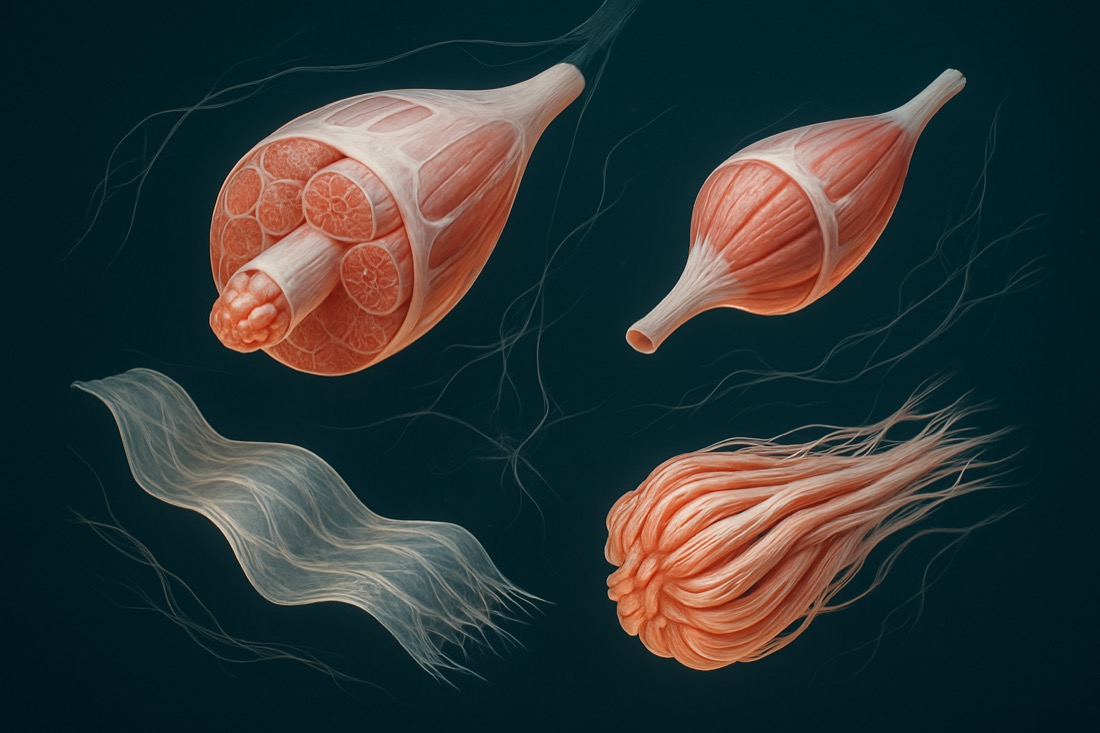
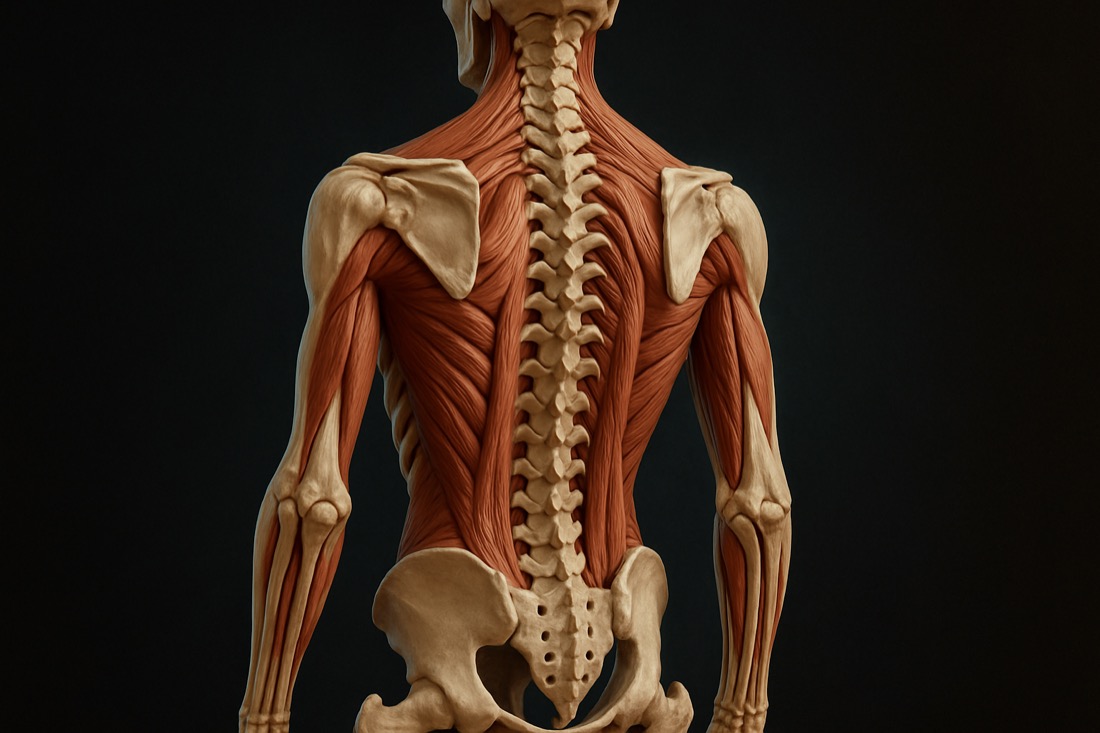
Fascia release for hip pain is crucial for clinicians seeking to enhance their therapeutic skills. The hip muscles, including the adductors and gluteal muscles, play a pivotal role in stabilizing the body and facilitating movement. By focusing on these areas, therapists can address underlying fascial restrictions that may contribute to pain and dysfunction.
Incorporating fascia release techniques into daily practice helps improve flexibility and reduce muscle tension, which is vital for patients experiencing hip pain. This approach not only alleviates discomfort but also enhances the overall effectiveness of therapeutic interventions, promoting faster recovery and improved mobility for patients.

Why are squat exercises important for hip stability?
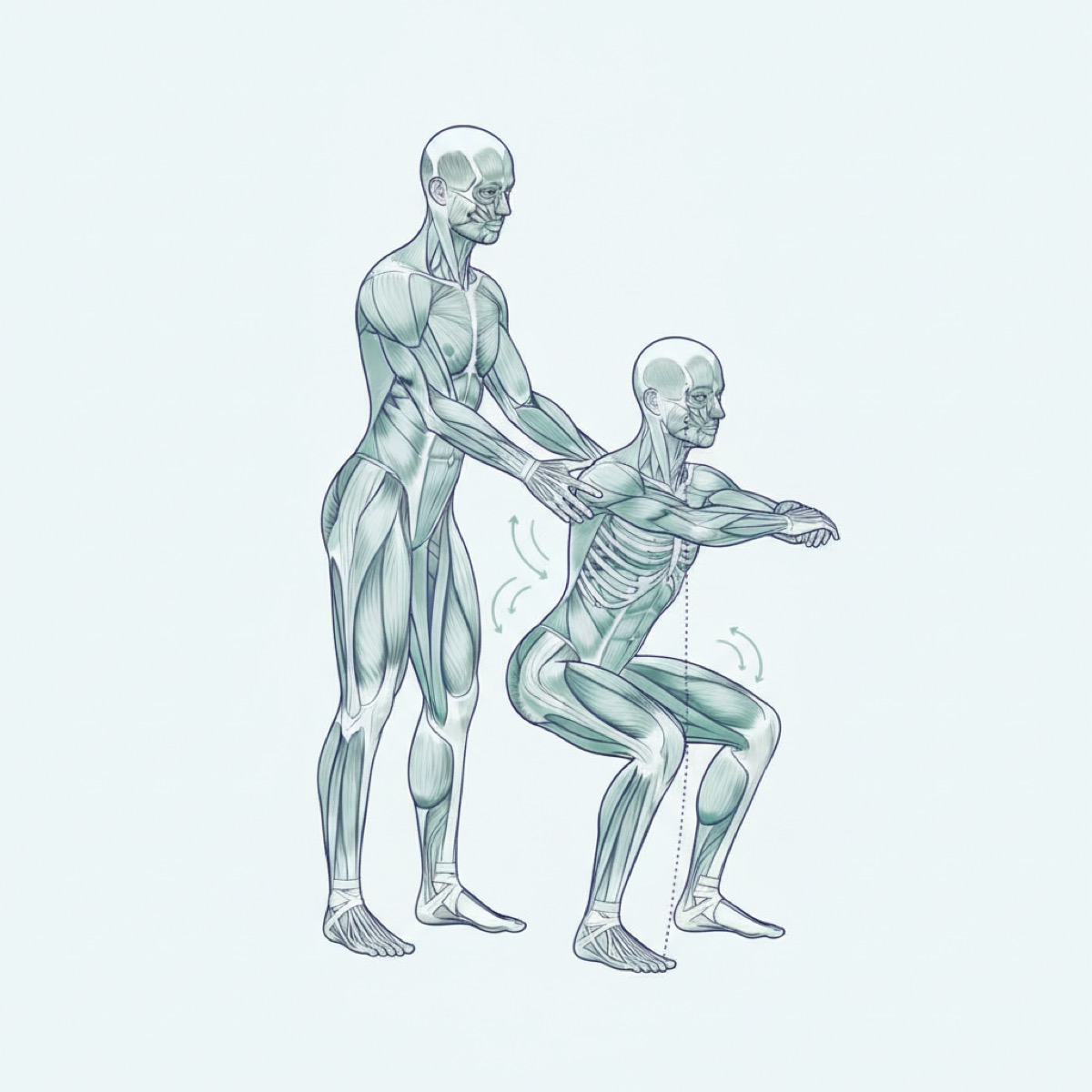
Squat exercises are a fundamental component of strengthening the hip muscles, which are directly connected to the body's core strength. By performing squats, therapists can enhance their own physical stability, which translates into a more confident and effective therapeutic touch.
Regularly practicing squats can lead to increased muscle endurance and improved proprioception, which are essential for maintaining balance and coordination. For patients, this means a more targeted and effective treatment, as therapists can better address the specific needs of each individual.
How does core strength affect therapeutic touch?
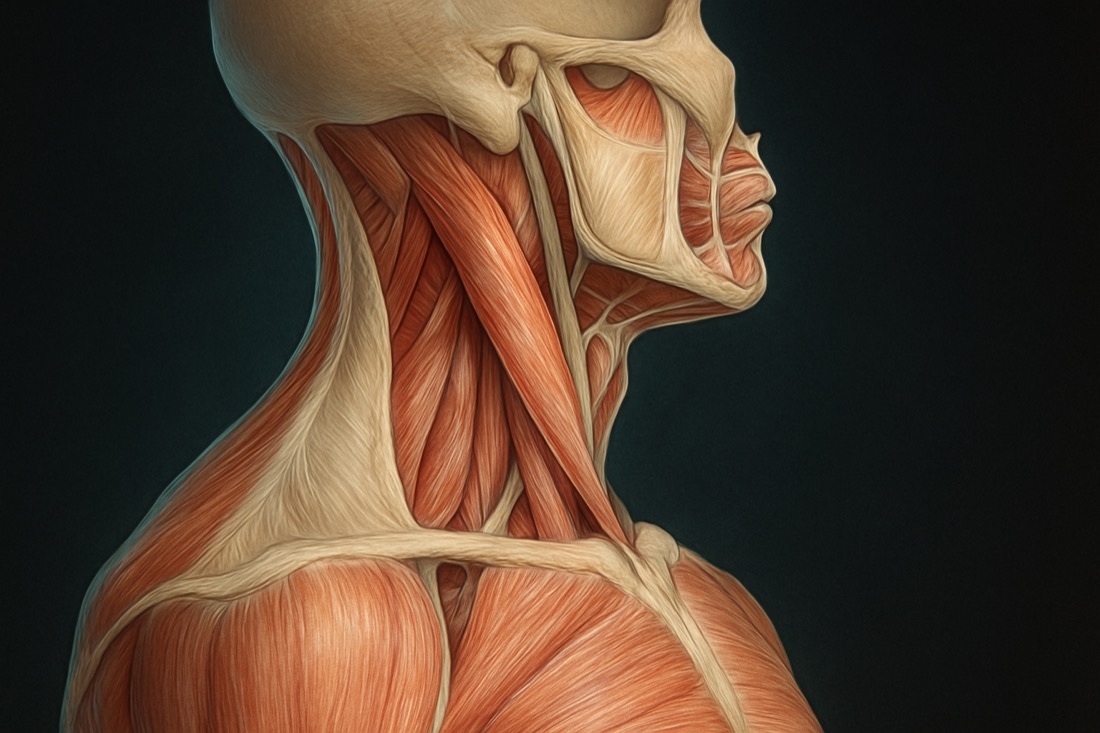
The connection between core strength and therapeutic touch is often underestimated. A strong core, particularly the 'tanden' or the lower abdomen, is crucial for therapists as it enhances the sensitivity and precision of their touch. This allows for more effective fascia release techniques, leading to better patient outcomes.
Therapists with a well-developed core can apply the right amount of pressure and maintain control during treatments, ensuring that fascia release is both effective and comfortable for the patient. This relationship highlights the importance of core exercises in the training regimen of any therapist.
What are the benefits of consistent fascia therapy?
Consistent fascia therapy offers numerous benefits, including reduced pain, improved range of motion, and enhanced overall physical function. By regularly engaging in fascia release and muscle training, both therapists and patients can experience long-term improvements in their physical health.
For therapists, maintaining a routine that includes fascia therapy techniques ensures that they remain physically prepared to provide the best possible care. This commitment to personal and professional development ultimately leads to better treatment outcomes for patients and a more rewarding practice for clinicians.
Frequently asked questions
Is fascia release safe? — Fascia release is generally considered safe when performed by trained professionals. It is important to ensure that the therapist is experienced and uses appropriate techniques to avoid any potential harm.
How often should fascia therapy be done? — The frequency of fascia therapy sessions depends on individual needs and treatment goals. Typically, patients may benefit from weekly sessions initially, with adjustments based on progress and response to treatment.
Can fascia release help with other types of pain? — Yes, fascia release can be beneficial for various types of pain, including back pain, shoulder pain, and more. By addressing fascial restrictions, this therapy can improve mobility and reduce discomfort in multiple areas of the body.
References
- [1]Field R, Pourkazemi F, Turton J, Rooney K. Dietary interventions are beneficial for patients with chronic pain: a systematic review with meta-analysis. Pain Med. 2021;22(3):694–714.
- [2]Taljanovic MS, Gimber LH, Becker GW, et al. Shear-wave elastography: basic physics and musculoskeletal applications. RadioGraphics. 2017;37(3):855–870.
- [3]Langevin HM. Connective tissue: a body-wide signaling network? Med Hypotheses. 2006;66(6):1074–1077.
- [4]Schleip R. Fascial plasticity — a new neurobiological explanation. J Bodyw Mov Ther. 2003;7(1):11–19.
- [5]Wilke J, Krause F, Vogt L, Banzer W. What Is Evidence-Based About Myofascial Chains? A Systematic Review. Arch Phys Med Rehabil. 2016;97(3):454–461.
- [6]Krause F, Wilke J, Vogt L, Banzer W. Intermuscular force transmission along myofascial chains: a systematic review. J Anat. 2016;228(6):910–918.