Graduating from Painkillers: The Ultimate Pain Relief You Can Make in Your Kitchen
Original title (JP): 痛み止めを卒業しよう!キッチンで作れる最強の痛み止め💊 #筋膜 #治し方 #藤井翔悟

Supervised by
Shogo Fujii
Physiotherapist (PT) · Founder of the SHOGO FUJII® FASCIA METHOD
View profile →Clinical Article · 5 min read
Are you looking for natural pain relief methods that can be made right in your kitchen? Discover the benefits of homemade juices like Purple Latte and Green Latte, which can aid in pain management and enhance your overall well-being. These natural concoctions, inspired by Shogo Fujii's teachings, offer an alternative to traditional painkillers, providing relief through the power of nature.
How can homemade juices help with pain relief?
Fascia therapy enthusiasts and clinicians alike are exploring the benefits of natural remedies for pain relief. One such method is creating homemade juices like Purple Latte and Green Latte, which are designed to support the body's healing process. These juices leverage natural ingredients to extract beneficial compounds, akin to the way medications derive their active components from nature.
The process of making these juices involves using a cold press juicer, which preserves the nutrients and enzymes that can aid in reducing inflammation and promoting overall health. By integrating these homemade remedies into your routine, you can potentially reduce your reliance on conventional painkillers, allowing your body to heal more naturally and effectively.

What are the benefits of Purple Latte and Green Latte?
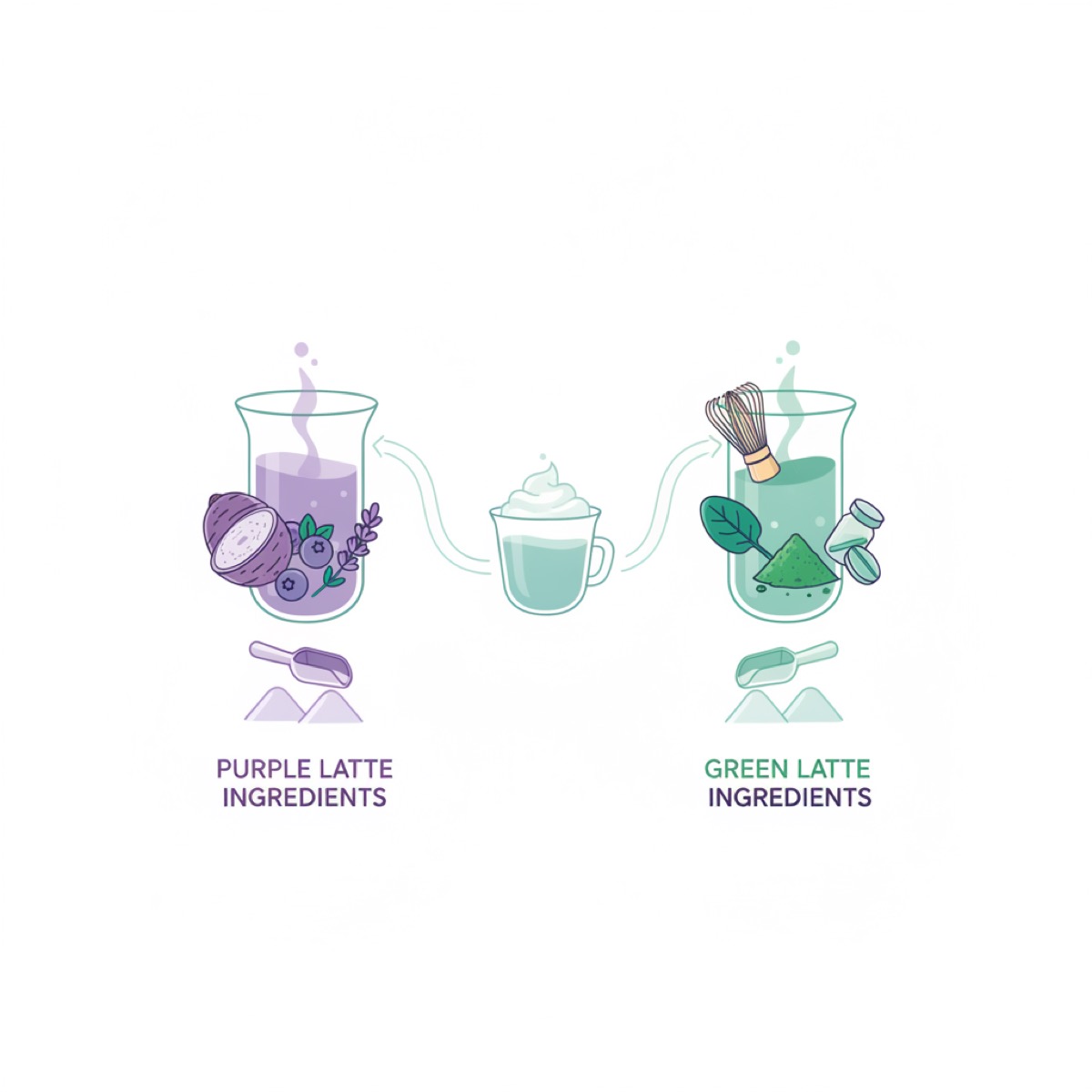
Purple Latte and Green Latte are not just ordinary juices; they are crafted to target specific health needs. Purple Latte, rich in antioxidants, can help combat oxidative stress, a common cause of chronic pain and fatigue. Its ingredients are selected to support the body's natural defenses, potentially reducing the frequency and severity of pain episodes.
Green Latte, on the other hand, is packed with anti-inflammatory properties. Its ingredients are chosen to soothe and calm the body's fascia, which can be a source of pain when irritated or inflamed. Regular consumption of these lattes may support better fascia health, contributing to reduced pain and improved mobility.
Why should therapists consider natural pain relief methods?
Therapists often experience physical strain and fatigue due to the demands of their work. Incorporating natural pain relief methods like homemade juices can be beneficial not only for their patients but also for themselves. By using natural ingredients to create these beneficial juices, therapists can support their own health and longevity in their practice.
These juices offer a dual advantage: they serve as a wellness tool for therapists and provide an alternative treatment option for their patients. This dual approach can enhance the therapeutic outcomes for both parties, promoting a more holistic approach to pain management.

How to make your own Purple Latte and Green Latte
Creating your own Purple Latte and Green Latte is a straightforward process that can be done at home. Start by selecting fresh, organic ingredients that are known for their health benefits. For Purple Latte, consider using berries, beets, and other purple fruits and vegetables. For Green Latte, opt for ingredients like kale, spinach, and green apples.
Use a cold press juicer to extract the maximum nutrients from these ingredients. The key is to maintain the integrity of the enzymes and vitamins during the juicing process, which is why cold pressing is recommended. By making these juices part of your daily routine, you can enjoy a natural boost to your health and pain management efforts.
Frequently asked questions
Can homemade juices replace traditional painkillers? — While homemade juices can support pain relief, they should not be seen as a complete replacement for prescribed medication. It's important to consult with a healthcare professional before making any changes to your pain management plan.
Are these juices suitable for everyone? — Most people can benefit from the nutrients in Purple Latte and Green Latte, but individuals with specific dietary restrictions or allergies should consult a nutritionist or healthcare provider to ensure these juices are appropriate for them.
How often should I drink these juices for best results? — Consistency is key. Incorporating these juices into your daily routine can help maximize their potential benefits. However, it's important to listen to your body and adjust as needed based on your personal health goals and responses.
References
- [1]Ajimsha MS, Al-Mudahka NR, Al-Madzhar JA. Effectiveness of myofascial release: a systematic review of randomized controlled trials. J Bodyw Mov Ther. 2015;19(1):102–112.
- [2]Tozzi P, Bongiorno D, Vitturini C. Fascial release effects on patients with non-specific cervical or lumbar pain. J Bodyw Mov Ther. 2011;15(4):405–416.
- [3]Zügel M, Maganaris CN, Wilke J, et al. Fascial tissue research in sports medicine: from molecules to tissue adaptation, injury and diagnostics: consensus statement. Br J Sports Med. 2018;52(23):1497.
- [4]Klingler W, Velders M, Hoppe K, Pedro M, Schleip R. Clinical relevance of fascial tissue and dysfunctions. Curr Pain Headache Rep. 2014;18(8):439.
- [5]Wilke J, Vogt L, Niederer D, Banzer W. Is remote stretching based on myofascial chains as effective as local exercise? A randomised-controlled trial. J Sports Sci. 2017;35(20):2021–2027.
- [6]Palomeque-del-Cerro L, Arráez-Aybar LA, Rodríguez-Blanco C, et al. A systematic review of the soft-tissue connections between neck muscles and dura mater: the myodural bridge. Spine. 2017;42(1):49–54.