Treating Shoulder Pain Through the Cervical Spine
Original title (JP): 肩の痛みを頚椎で治す #筋膜 #藤井翔悟 #美容

Supervised by
Shogo Fujii
Physiotherapist (PT) · Founder of the SHOGO FUJII® FASCIA METHOD
View profile →Clinical Article · 5 min read
If you've been dealing with persistent shoulder pain, you're not alone. Many individuals find relief by addressing cervical spine issues, which can significantly impact shoulder discomfort. This article explores how treating shoulder pain through cervical spine adjustments can be an effective approach, with insights from fascia therapy techniques.
How does the cervical spine affect shoulder pain?
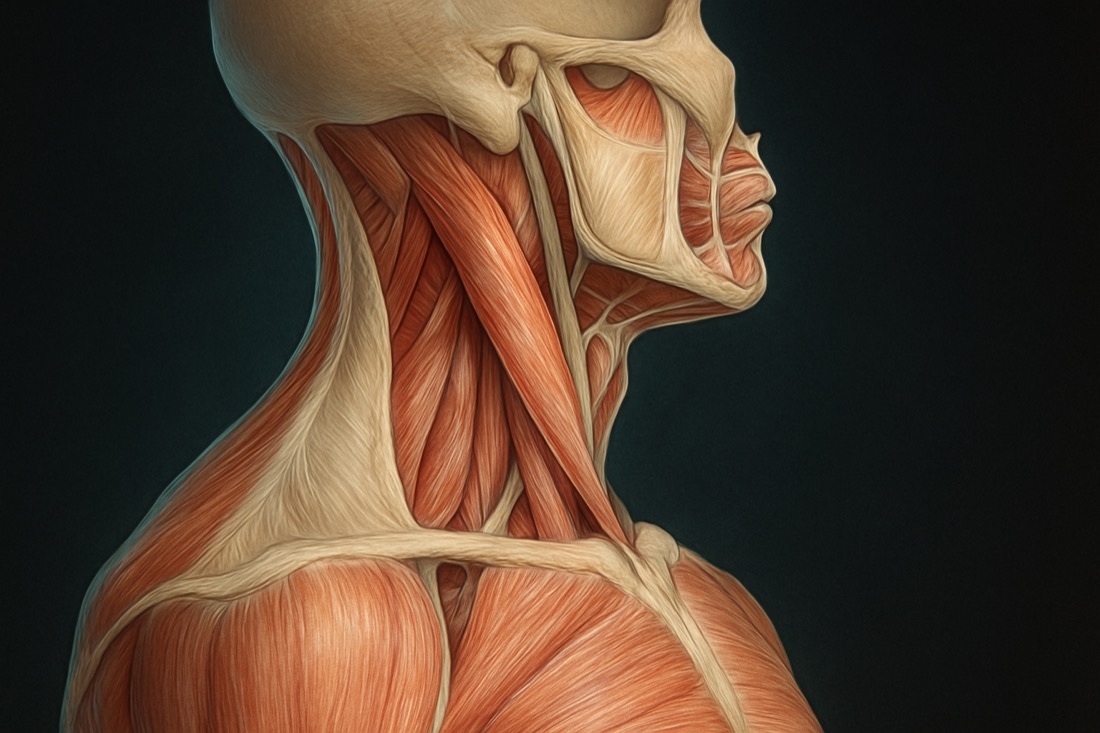
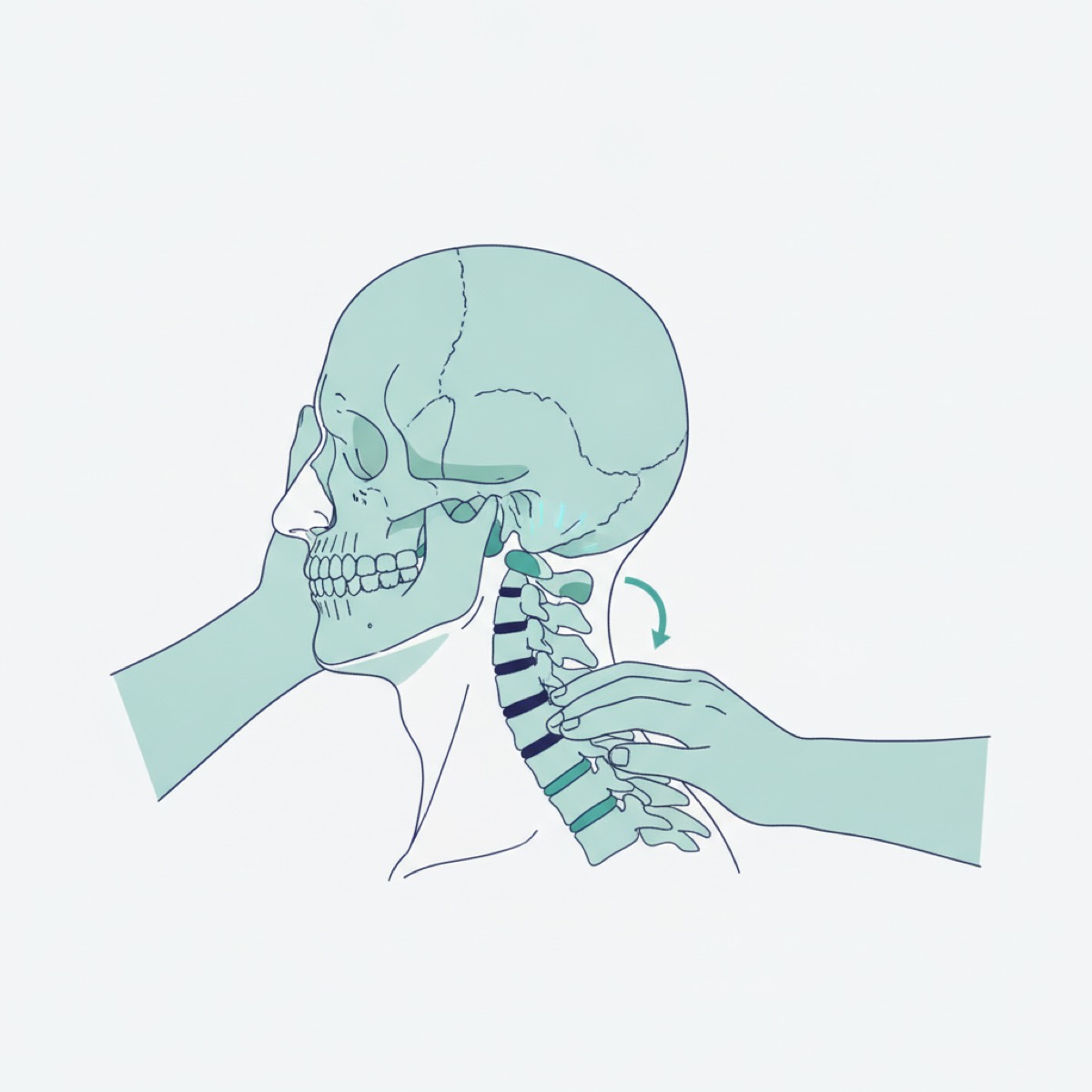
The cervical spine, or neck region, plays a crucial role in overall shoulder movement and comfort. When vertebrae in the cervical spine are misaligned or compressed, it can lead to shoulder pain by affecting nerve pathways and muscle function. By gently adjusting these vertebrae, practitioners can often reduce the pressure and allow for improved shoulder mobility [1].
Fascia, the connective tissue surrounding muscles and organs, can also be influenced by cervical spine alignment. When the spine is adjusted, it can help release tension in the surrounding fascia, which may contribute to alleviating shoulder pain. This connection between the neck and shoulder highlights the importance of a holistic approach to pain management.
Why does shoulder pain often radiate from the neck?
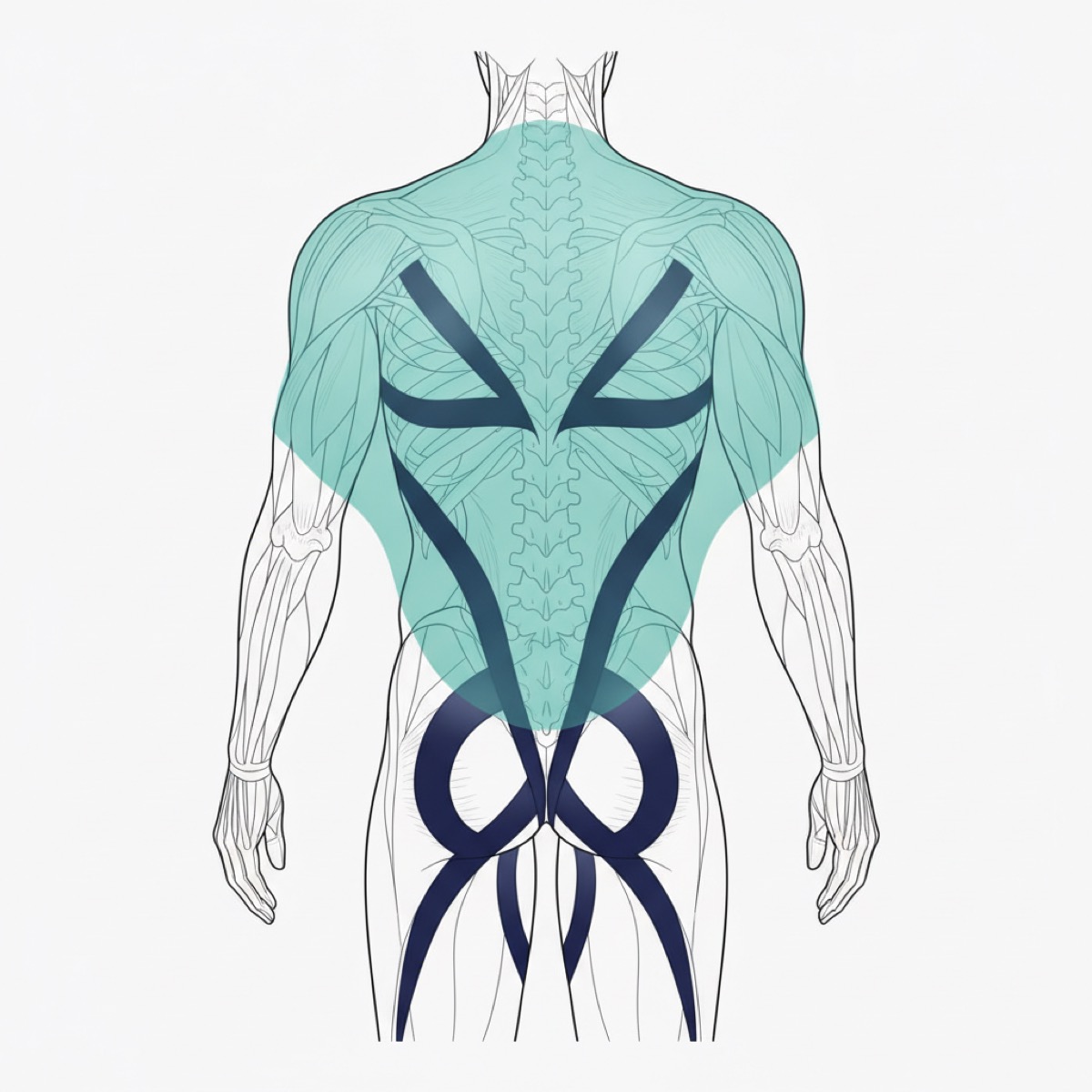
Shoulder pain can sometimes be misleading, as its origin may actually be in the neck. This phenomenon occurs because nerves that extend from the cervical spine supply the shoulder region. When these nerves are irritated or compressed due to cervical misalignment, pain can radiate to the shoulder area [2].
Understanding this interconnectedness is essential for effective treatment. By addressing issues in the cervical spine, practitioners can often alleviate the radiating pain experienced in the shoulder, leading to more comprehensive and lasting relief.
What role does fascia play in shoulder pain relief?
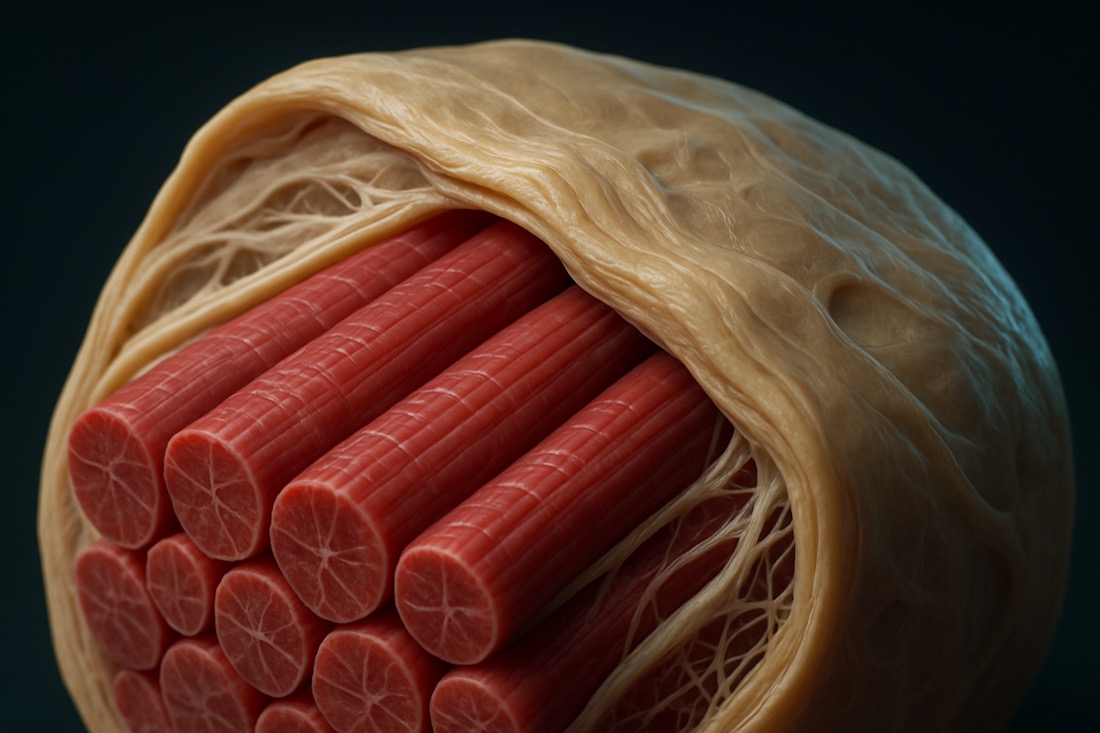
Fascia therapy is an emerging approach that focuses on the body's connective tissue. In the context of shoulder pain, fascia can become tight or restricted due to cervical spine issues, contributing to discomfort. Techniques that release fascia can enhance mobility and reduce pain [3].
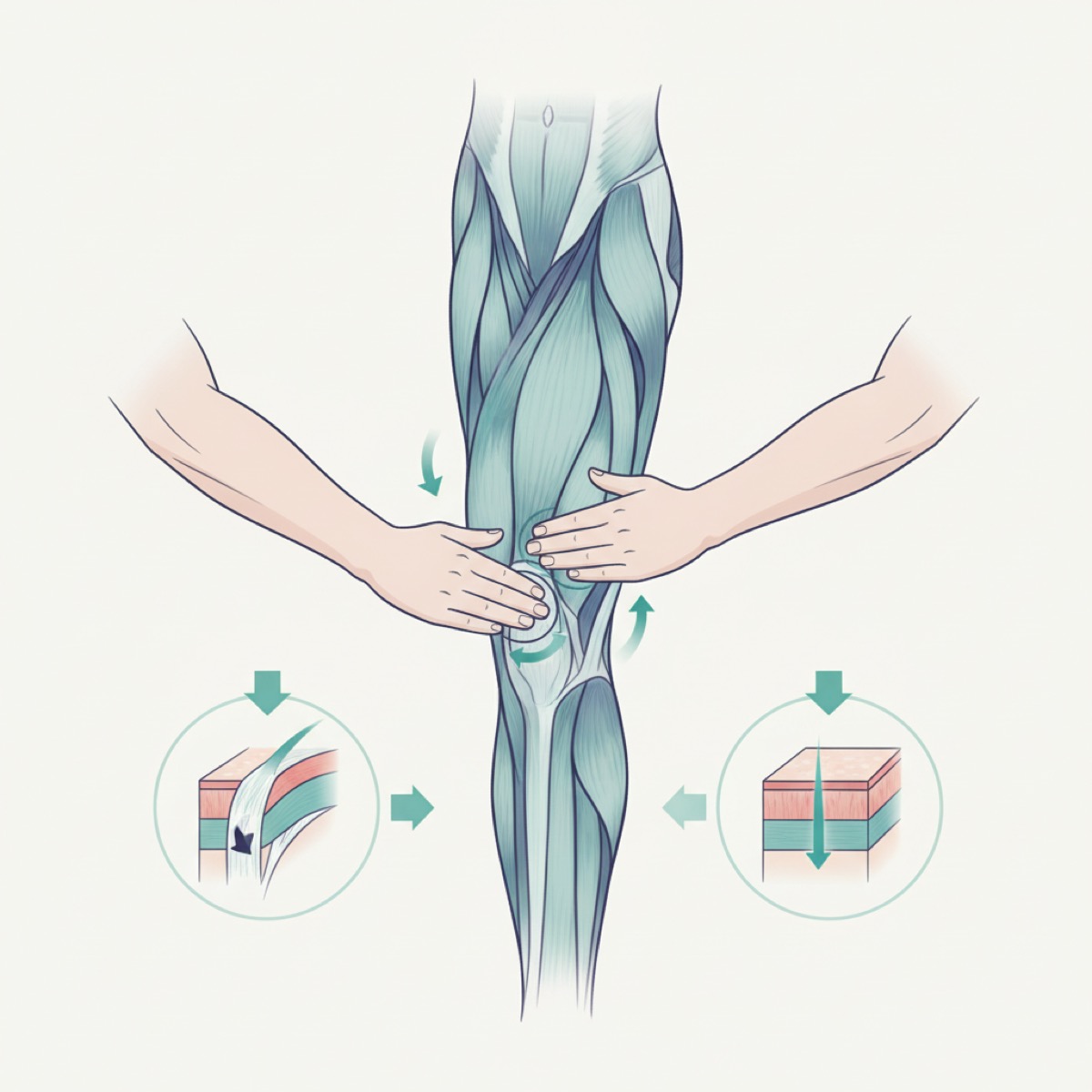
By incorporating fascia release techniques in combination with cervical spine adjustments, practitioners aim to address both the structural and connective tissue factors contributing to shoulder pain. This dual approach can be particularly effective in providing relief and improving function.
What to expect from cervical spine adjustments for shoulder pain
When undergoing cervical spine adjustments, patients typically experience a gentle manipulation of the neck vertebrae. This process aims to realign the spine, reduce nerve compression, and enhance overall function. Patients often report a noticeable reduction in shoulder pain and improved range of motion following treatment [4].
It's important to note that results can vary, and multiple sessions may be necessary to achieve optimal outcomes. Patients should communicate openly with their therapists about their progress and any changes they experience. This feedback is crucial for tailoring the treatment plan to individual needs.
Frequently asked questions
Is fascia release safe? — Fascia release is generally considered safe when performed by a trained professional. It involves gentle techniques aimed at loosening tight connective tissue, and most patients tolerate it well [5].
How long does it take to see results from cervical adjustments? — While some patients experience immediate relief, others may require several sessions to notice significant improvements. Consistency and adherence to treatment plans are key [6].
Can cervical spine issues cause other symptoms? — Yes, cervical spine problems can lead to symptoms beyond shoulder pain, including headaches, neck stiffness, and even dizziness, due to their impact on nerve function and alignment.
References
- [1]Ricciotti E, FitzGerald GA. Prostaglandins and inflammation. Arterioscler Thromb Vasc Biol. 2011;31(5):986–1000.
- [2]Salehi B, Venditti A, Sharifi-Rad M, et al. The therapeutic potential of apigenin. Int J Mol Sci. 2019;20(6):1305.
- [3]Field R, Pourkazemi F, Turton J, Rooney K. Dietary interventions are beneficial for patients with chronic pain: a systematic review with meta-analysis. Pain Med. 2021;22(3):694–714.
- [4]Taljanovic MS, Gimber LH, Becker GW, et al. Shear-wave elastography: basic physics and musculoskeletal applications. RadioGraphics. 2017;37(3):855–870.
- [5]Langevin HM. Connective tissue: a body-wide signaling network? Med Hypotheses. 2006;66(6):1074–1077.
- [6]Schleip R. Fascial plasticity — a new neurobiological explanation. J Bodyw Mov Ther. 2003;7(1):11–19.