Instant Techniques to Relieve Shoulder Pain
Original title (JP): 肩の痛みを一瞬で消すテクニック #藤井翔悟 #美容 #筋膜整体 #筋膜

Supervised by
Shogo Fujii
Physiotherapist (PT) · Founder of the SHOGO FUJII® FASCIA METHOD
View profile →Clinical Article · 5 min read
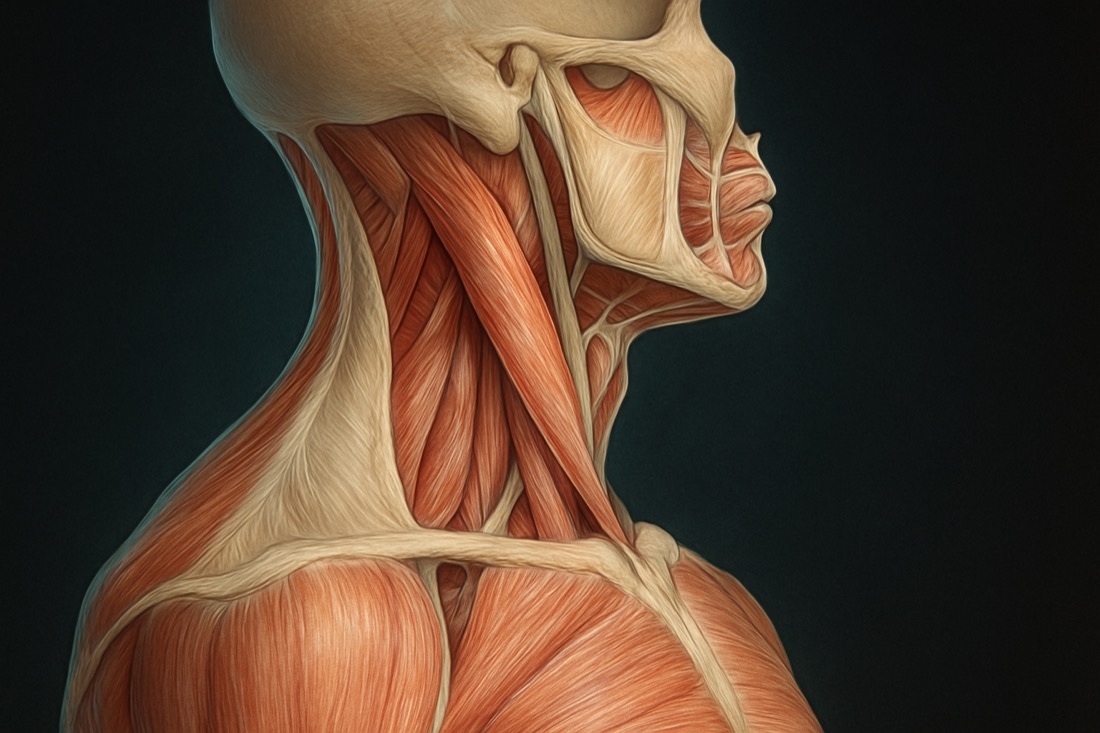
Shoulder pain can be a persistent and frustrating issue for many, often stemming from tension in the fascia around the neck and shoulders. By exploring effective fascia release techniques, you can alleviate discomfort and improve mobility. In this article, we'll delve into practical methods to address shoulder pain, inspired by the insights of Shogo Fujii.
Why does shoulder pain occur?
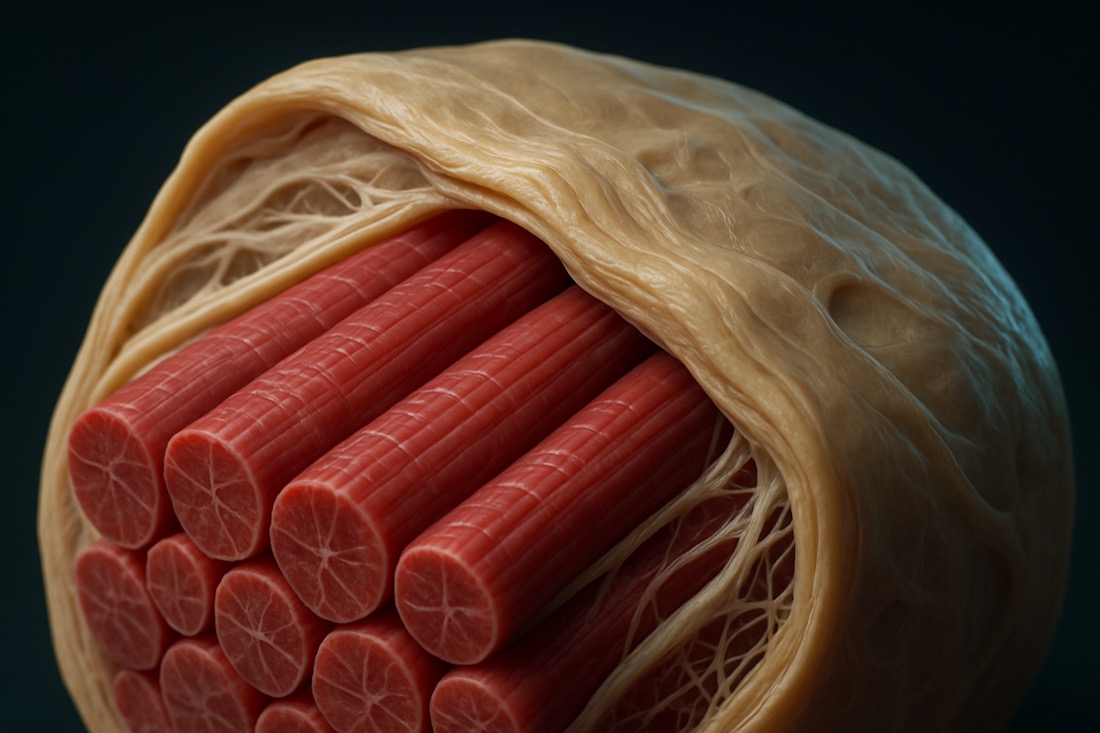
Shoulder pain is often linked to tension and stiffness in the fascia, the connective tissue surrounding muscles and bones. This tension can be triggered by poor posture, repetitive movements, or injuries, leading to discomfort and restricted mobility [1][2]. Understanding the root causes of shoulder pain is crucial for effective treatment and prevention.
The neck-to-shoulder area is particularly susceptible to fascia-related issues due to its range of motion and the daily stress it endures. Addressing this tension through targeted fascia release can significantly reduce pain and enhance movement.
How does fascia release work for shoulder pain?
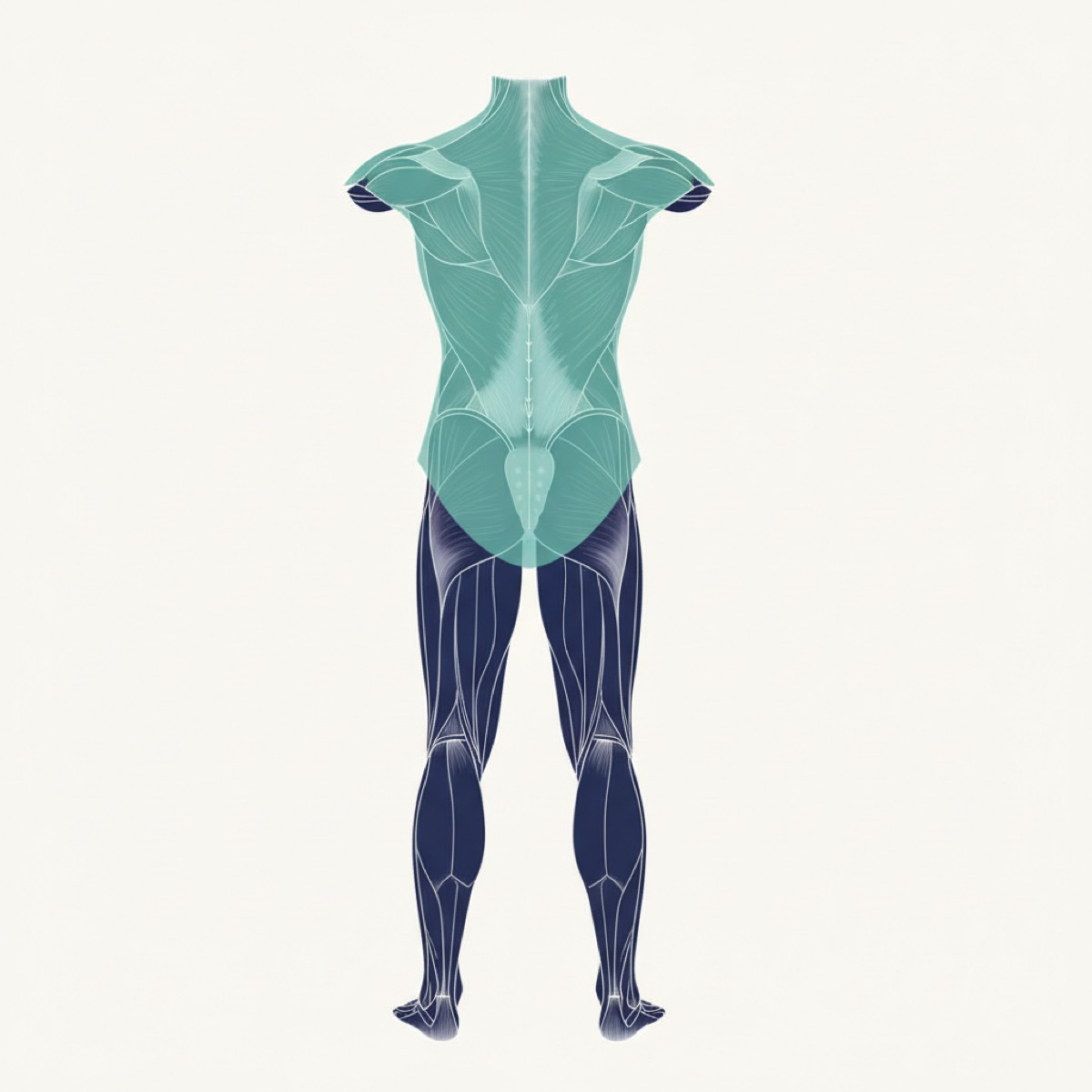
Fascia release involves techniques that target the connective tissues to alleviate tension and improve flexibility. By applying pressure to specific points, such as between the radius and the elbow joint, you can reduce stiffness and enhance mobility [3].
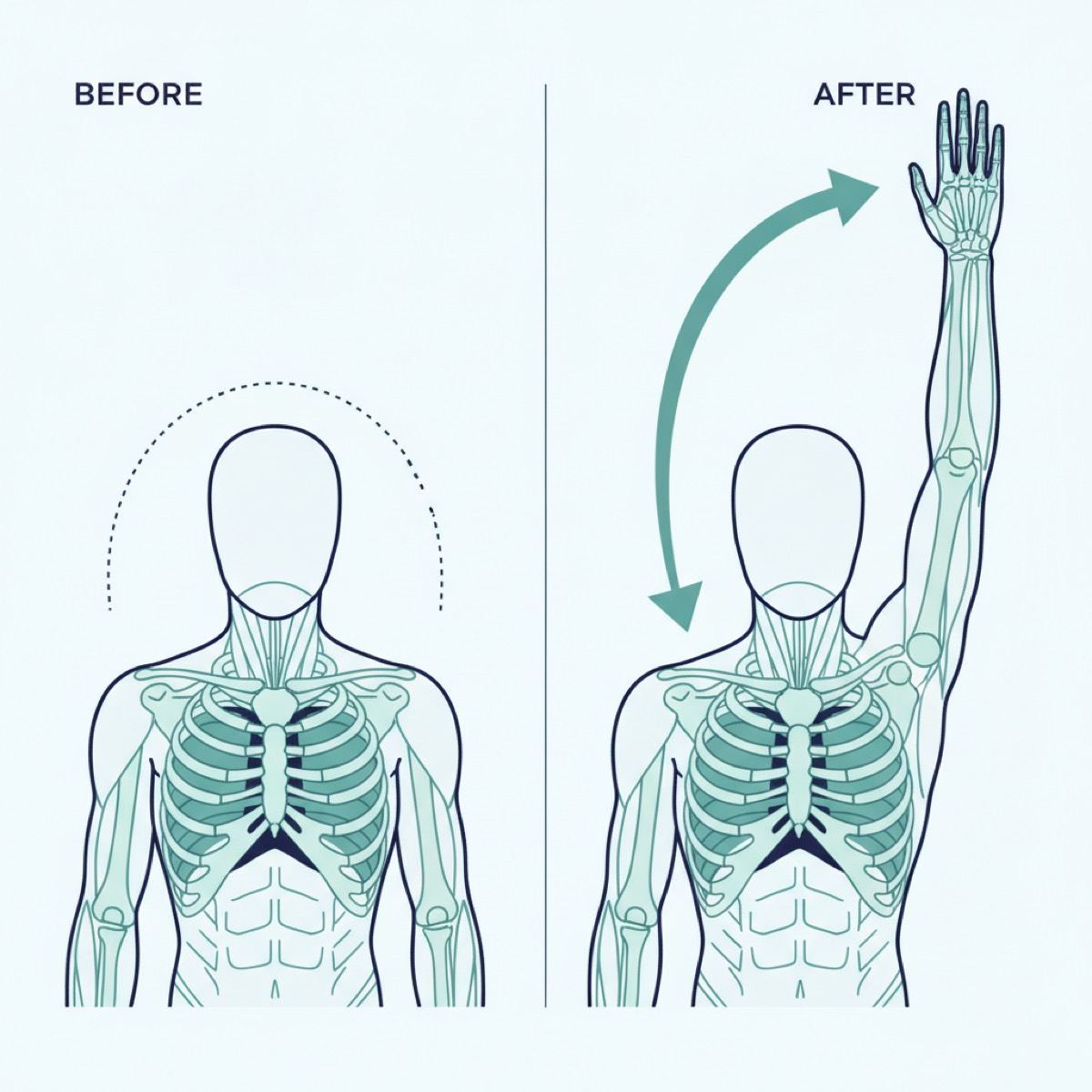
These techniques often involve pressing or pinching specific areas with enough pressure to affect the fascia. This can help reduce pain when lifting the shoulder, as demonstrated by the effective methods shared by Shogo Fujii.
What techniques can you try at home?
One effective technique involves identifying the tight spots in the fascia around the neck and shoulder. Using your thumb and fingers, apply firm pressure to these areas while gently moving your shoulder. This can help release tension and improve range of motion [4].
Another method is to use a pinching motion with three fingers to target the muscles near the thumb, applying enough pressure to leave an impression. This approach helps in reducing the stiffness in the shoulder area.

What to expect from fascia release therapy?
Fascia release therapy can lead to noticeable improvements in shoulder pain and movement. Many individuals report feeling relief after just a few sessions, though results can vary based on the severity of the tension and individual response [5].
It's important to approach these techniques with patience and consistency. Gradual improvements are more sustainable, and combining these methods with proper posture and regular exercise can further enhance their effectiveness.
Frequently asked questions
Is fascia release safe? — Fascia release is generally safe when performed correctly. It's important to avoid excessive force and to consult a professional if unsure.
How often should I perform fascia release? — Frequency depends on individual needs, but starting with a few times a week can be beneficial. Adjust based on your response and comfort level.
Can fascia release help with chronic shoulder pain? — While not a guaranteed cure, fascia release can significantly reduce chronic shoulder pain and improve mobility for many individuals [6].
References
- [1]Taljanovic MS, Gimber LH, Becker GW, et al. Shear-wave elastography: basic physics and musculoskeletal applications. RadioGraphics. 2017;37(3):855–870.
- [2]Langevin HM. Connective tissue: a body-wide signaling network? Med Hypotheses. 2006;66(6):1074–1077.
- [3]Schleip R. Fascial plasticity — a new neurobiological explanation. J Bodyw Mov Ther. 2003;7(1):11–19.
- [4]Wilke J, Krause F, Vogt L, Banzer W. What Is Evidence-Based About Myofascial Chains? A Systematic Review. Arch Phys Med Rehabil. 2016;97(3):454–461.
- [5]Krause F, Wilke J, Vogt L, Banzer W. Intermuscular force transmission along myofascial chains: a systematic review. J Anat. 2016;228(6):910–918.
- [6]Stecco C, Stern R, Porzionato A, et al. Hyaluronan within fascia in the etiology of myofascial pain. Surg Radiol Anat. 2011;33(10):891–896.