Correcting Spinal Misalignment with a Finger
Original title (JP): 背骨の歪みを指一本で治す #藤井翔悟 #筋膜 #筋膜整体

Supervised by
Shogo Fujii
Physiotherapist (PT) · Founder of the SHOGO FUJII® FASCIA METHOD
View profile →Clinical Article · 5 min read
Fascia therapy for spinal alignment offers a unique approach to addressing discomfort and improving mobility. By gently manipulating fascia, this method can assist in relieving tension and enhancing overall spinal health. Clinicians and informed patients alike are exploring these techniques to alleviate persistent pain and promote well-being.
How does fascia therapy correct spinal misalignment?
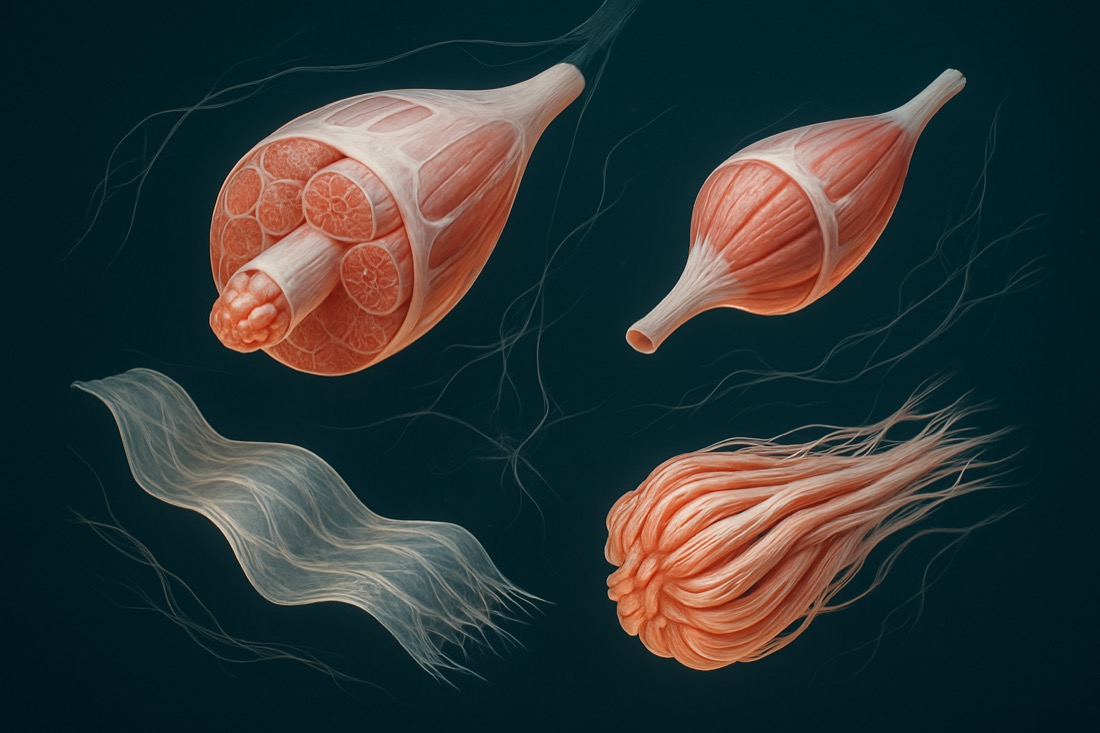
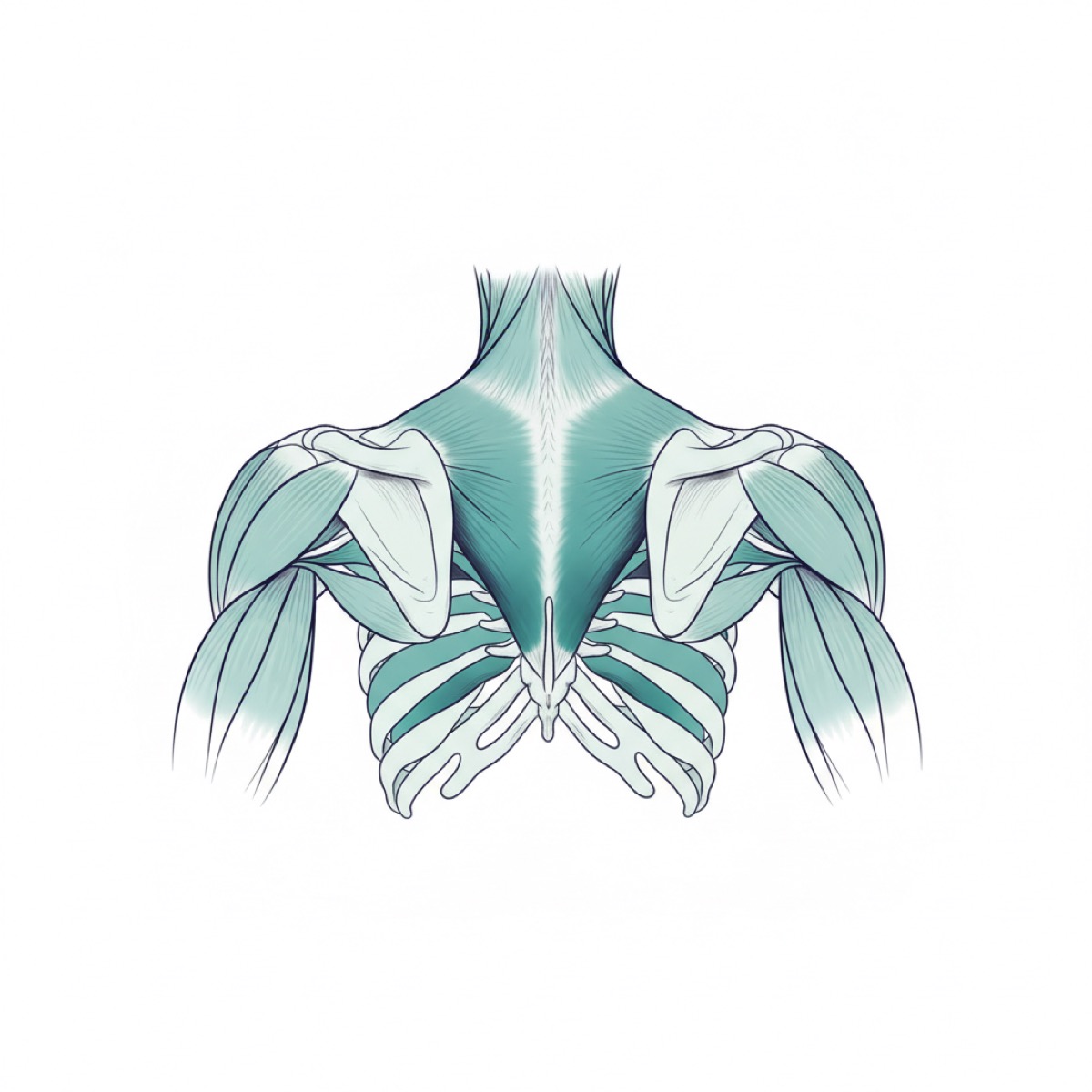
Fascia therapy involves the gentle manipulation of the fascia, the connective tissue surrounding muscles and bones. By applying light pressure to specific areas, such as the teres major muscle near the scapula, practitioners can encourage movement and relaxation in the spine. This process helps in releasing tension and aligning the spine more naturally.
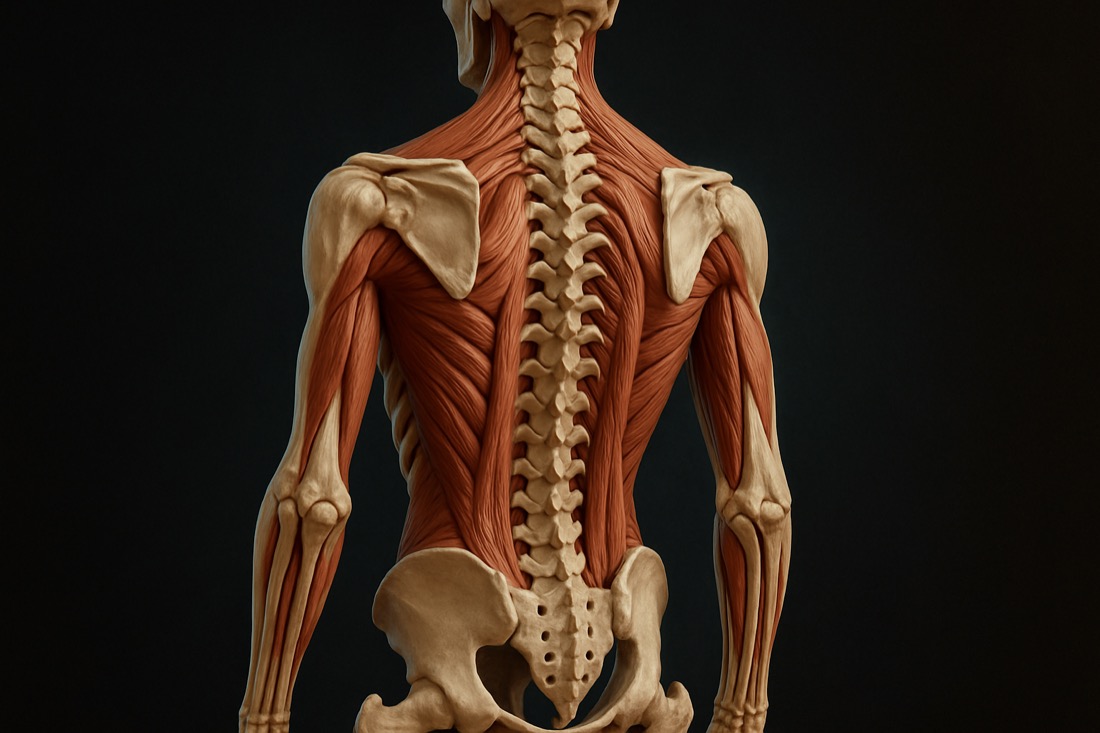
One technique involves lightly pressing on the scapular area and assisting the spine from the side. This action can help the brain and bones to relax, leading to a loosening of the brain's membranes. Such adjustments may contribute to an improved spinal alignment and reduced discomfort.
What benefits can you expect from fascia therapy?
Fascia therapy can offer several benefits, including reduced pain and improved mobility. Patients often report a decrease in hip pain and a noticeable reduction in tension around the joints. This method can make it easier for individuals to move and engage in daily activities without discomfort.
The therapy is particularly effective for those experiencing persistent back or joint pain. By targeting the fascia, therapists can potentially alleviate pain and enhance the patient's overall quality of life.
How does manipulation of the teres major muscle help?
The teres major muscle, located near the scapula, plays a crucial role in shoulder and arm movement. By applying pressure to this area, practitioners can facilitate movement and release tension in the surrounding fascia. This technique is often accompanied by a gentle lifting of the arm, which can further promote spinal alignment.
When performed correctly, this manipulation can help in easing the pressure along the spine and contribute to a more balanced posture. Patients might experience a sensation of relief and increased range of motion following the session.
Why is fascia therapy effective for hip and lower back pain?
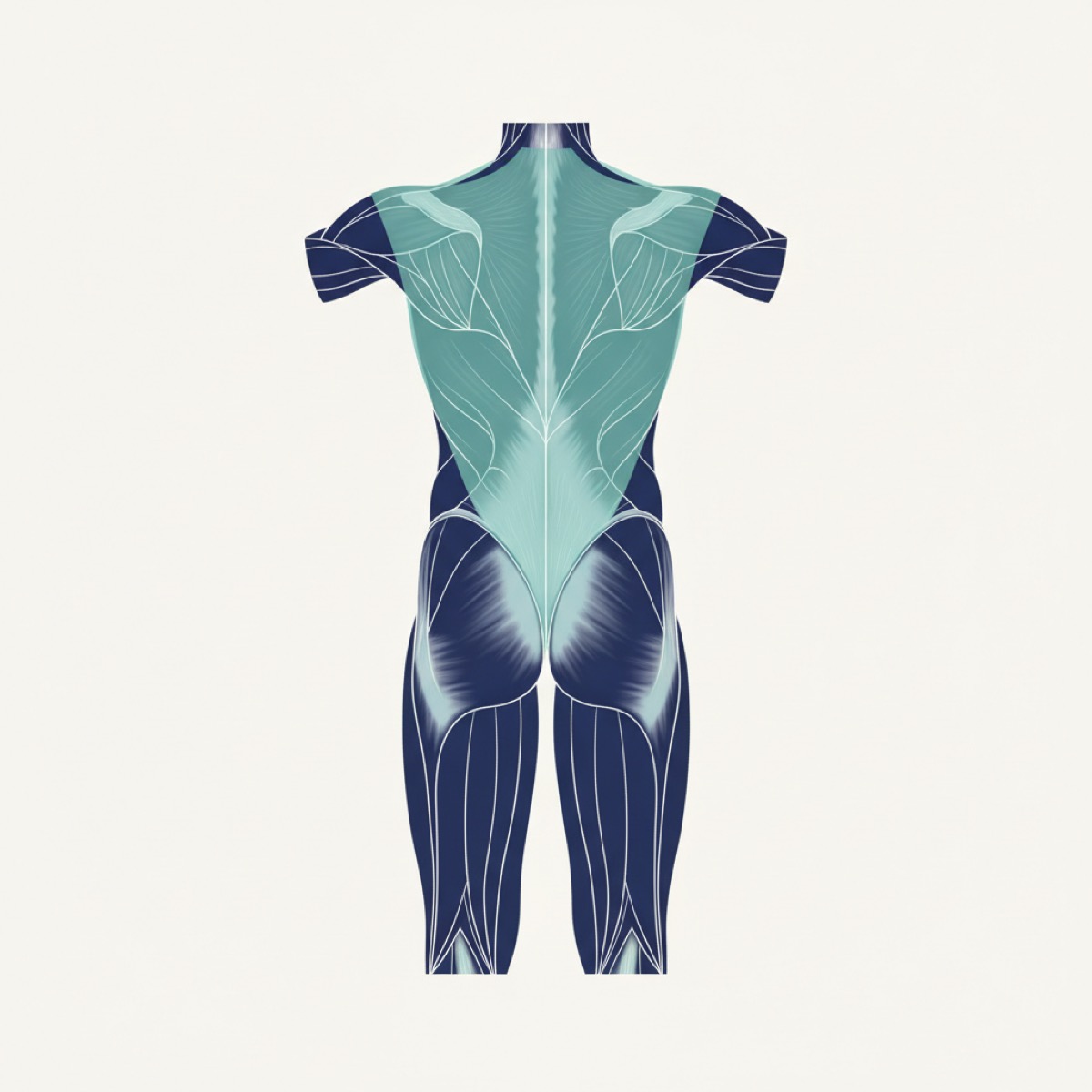
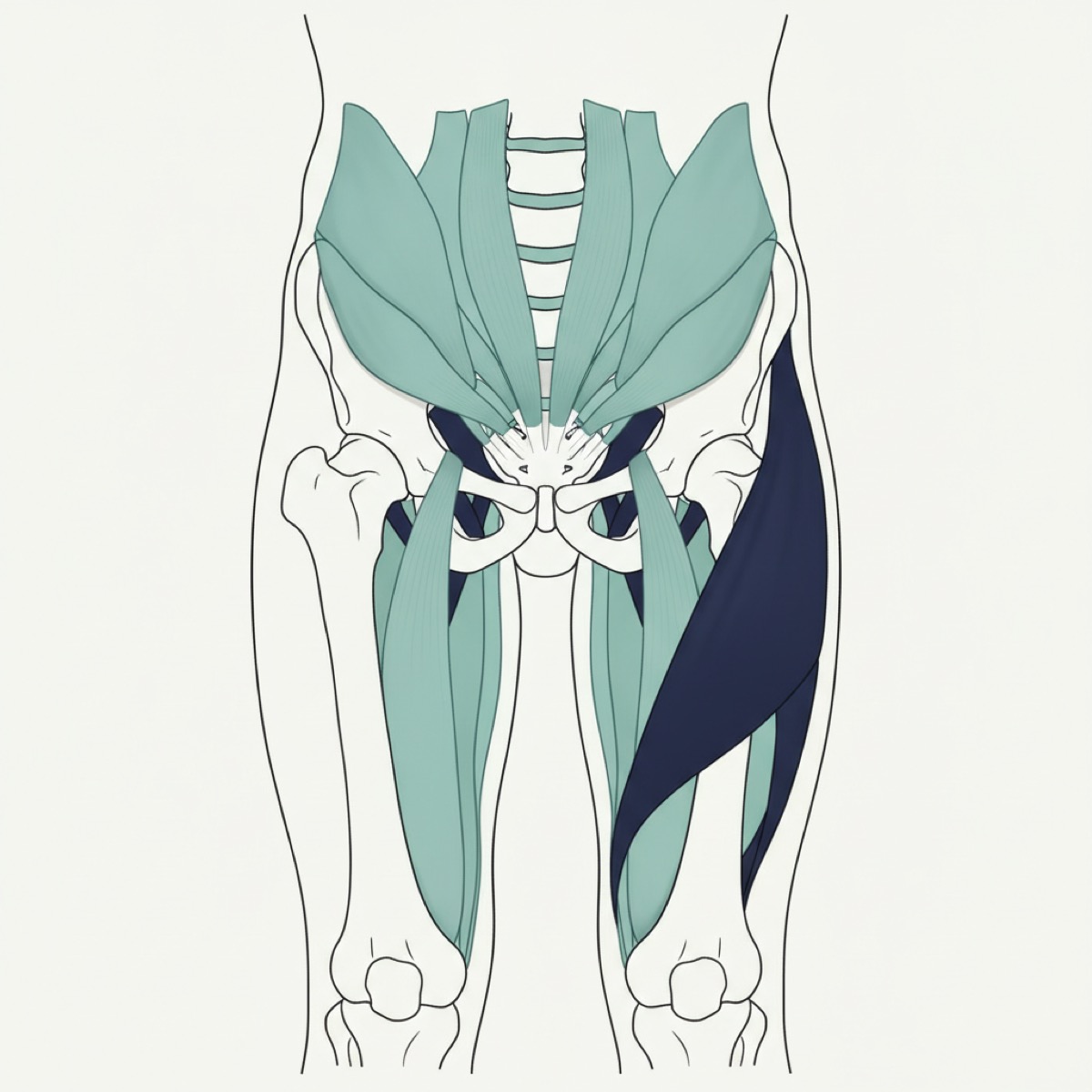
Fascia therapy targets the connective tissues that may contribute to hip and lower back pain. By addressing these areas, therapists can help to alleviate tension and improve the alignment of the pelvis and spine. Patients often notice a reduction in pain intensity, sometimes from a significant level to minimal discomfort.
This approach is particularly beneficial for those with chronic pain conditions, as it provides a non-invasive option to improve alignment and function. The gentle nature of the therapy makes it accessible for a wide range of individuals seeking relief.
Frequently asked questions
Is fascia therapy safe? — Yes, fascia therapy is generally considered safe when performed by a trained professional. It involves gentle techniques that are non-invasive and designed to promote relaxation and alignment.
How long does it take to see results? — The time it takes to see results can vary depending on the individual's condition and response to treatment. Some may experience immediate relief, while others might require multiple sessions.
Can fascia therapy replace traditional medical treatments? — Fascia therapy is a complementary approach and should not replace conventional medical treatments. It can be used alongside other therapies to enhance overall well-being.
References
- [1]Wilke J, Vogt L, Niederer D, Banzer W. Is remote stretching based on myofascial chains as effective as local exercise? A randomised-controlled trial. J Sports Sci. 2017;35(20):2021–2027.
- [2]Palomeque-del-Cerro L, Arráez-Aybar LA, Rodríguez-Blanco C, et al. A systematic review of the soft-tissue connections between neck muscles and dura mater: the myodural bridge. Spine. 2017;42(1):49–54.
- [3]Woolf CJ. Central sensitization: implications for the diagnosis and treatment of pain. Pain. 2011;152(3 Suppl):S2–S15.
- [4]Tracey KJ. The inflammatory reflex. Nature. 2002;420(6917):853–859.
- [5]Mayer EA. Gut feelings: the emerging biology of gut–brain communication. Nat Rev Neurosci. 2011;12(8):453–466.
- [6]Cryan JF, Dinan TG. Mind-altering microorganisms: the impact of the gut microbiota on brain and behaviour. Nat Rev Neurosci. 2012;13(10):701–712.