Instant Relief for Headaches and Shoulder Tension: SCM Release Technique
Original title (JP): 頭痛肩こりを一発で改善できる、胸鎖乳突筋リリース #筋膜 #美容 #治し方

Supervised by
Shogo Fujii
Physiotherapist (PT) · Founder of the SHOGO FUJII® FASCIA METHOD
View profile →Clinical Article · 5 min read
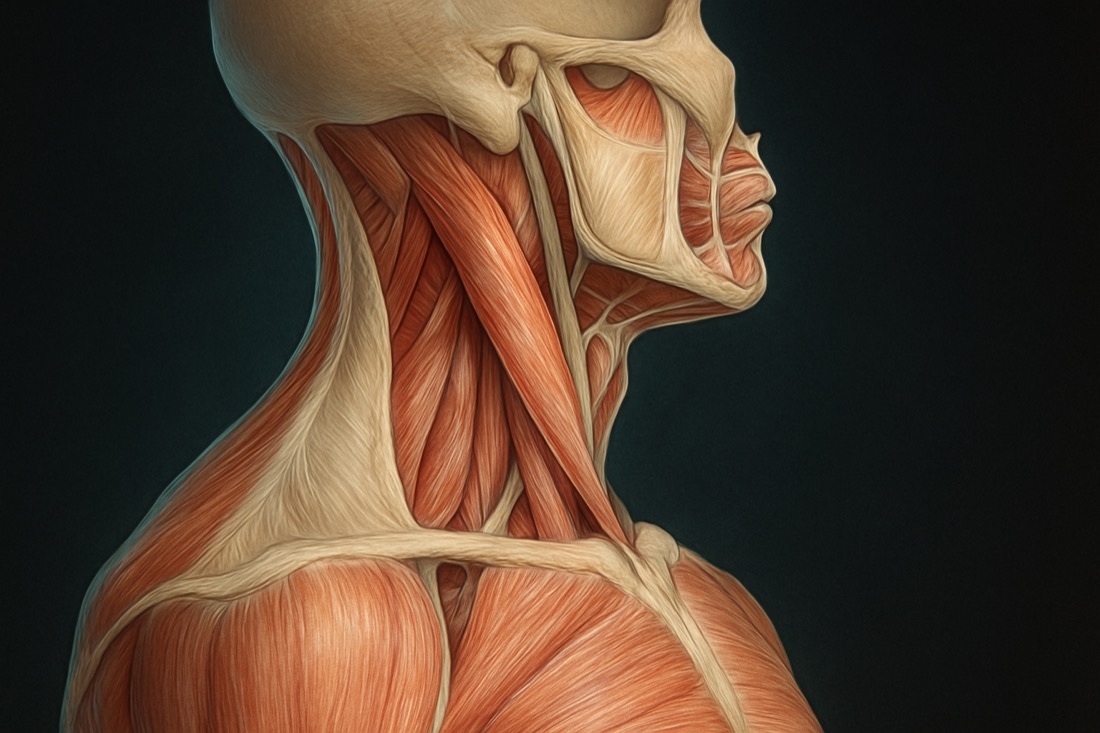
The sternocleidomastoid (SCM) release technique offers an effective approach to relieve headaches and shoulder tension. By focusing on the softening and release of this crucial neck muscle, you can experience improved flexibility and reduced discomfort. This method is gaining attention for its potential to alleviate common neck and shoulder issues naturally.
Why does SCM tension cause headaches and shoulder pain?
The SCM muscle, located on both sides of the neck, plays a significant role in head and neck movements. When it becomes tense or adhered, it can lead to misalignment and discomfort, contributing to headaches and shoulder pain. This tension often stems from poor posture or stress, which exacerbates the problem by further tightening the muscle fibers.
Releasing the SCM can help restore balance and alignment in the neck, reducing the strain that leads to headaches and shoulder tension. By addressing the root cause of the discomfort, this technique aims to provide a natural and effective solution for those suffering from these common issues.
How does the SCM release technique work?
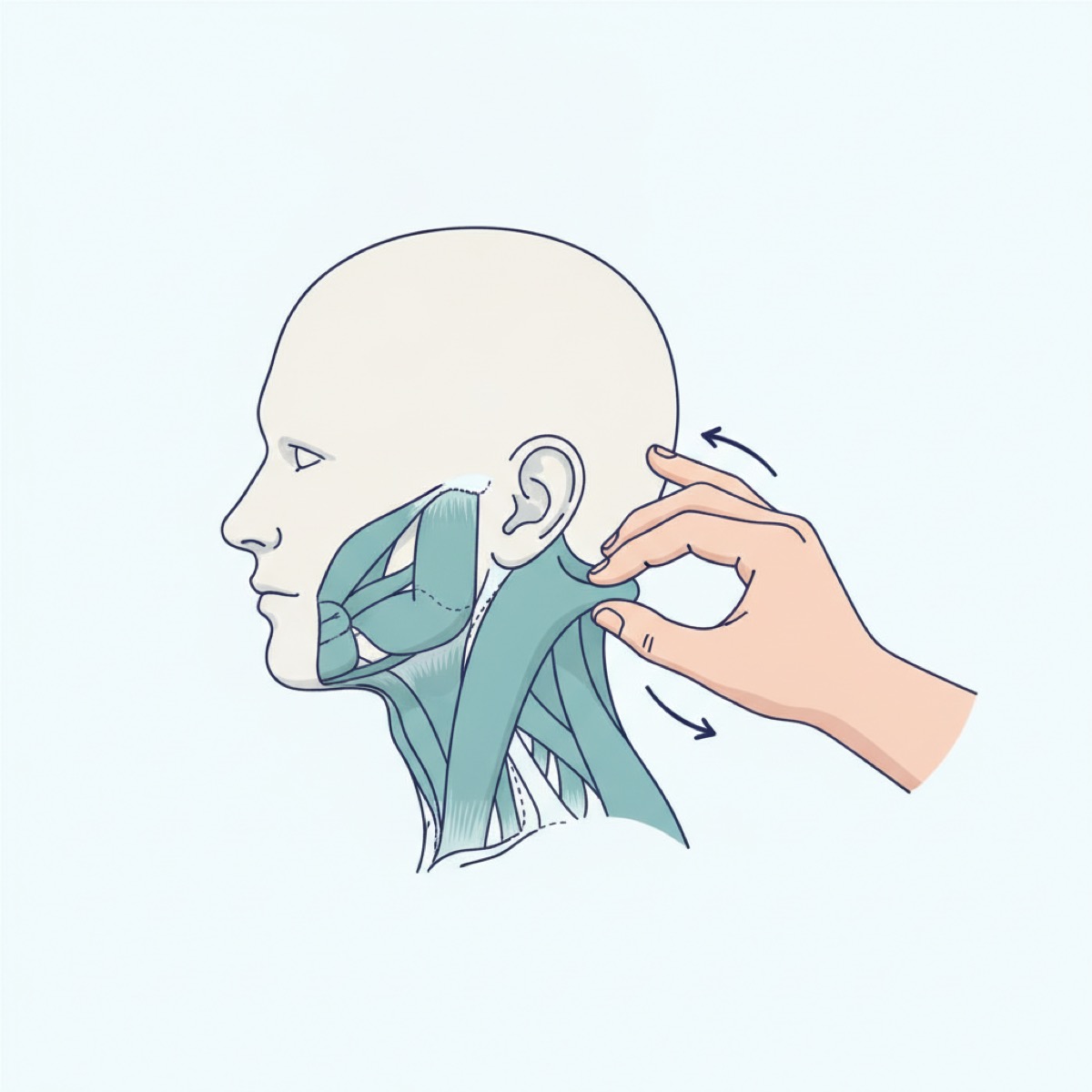
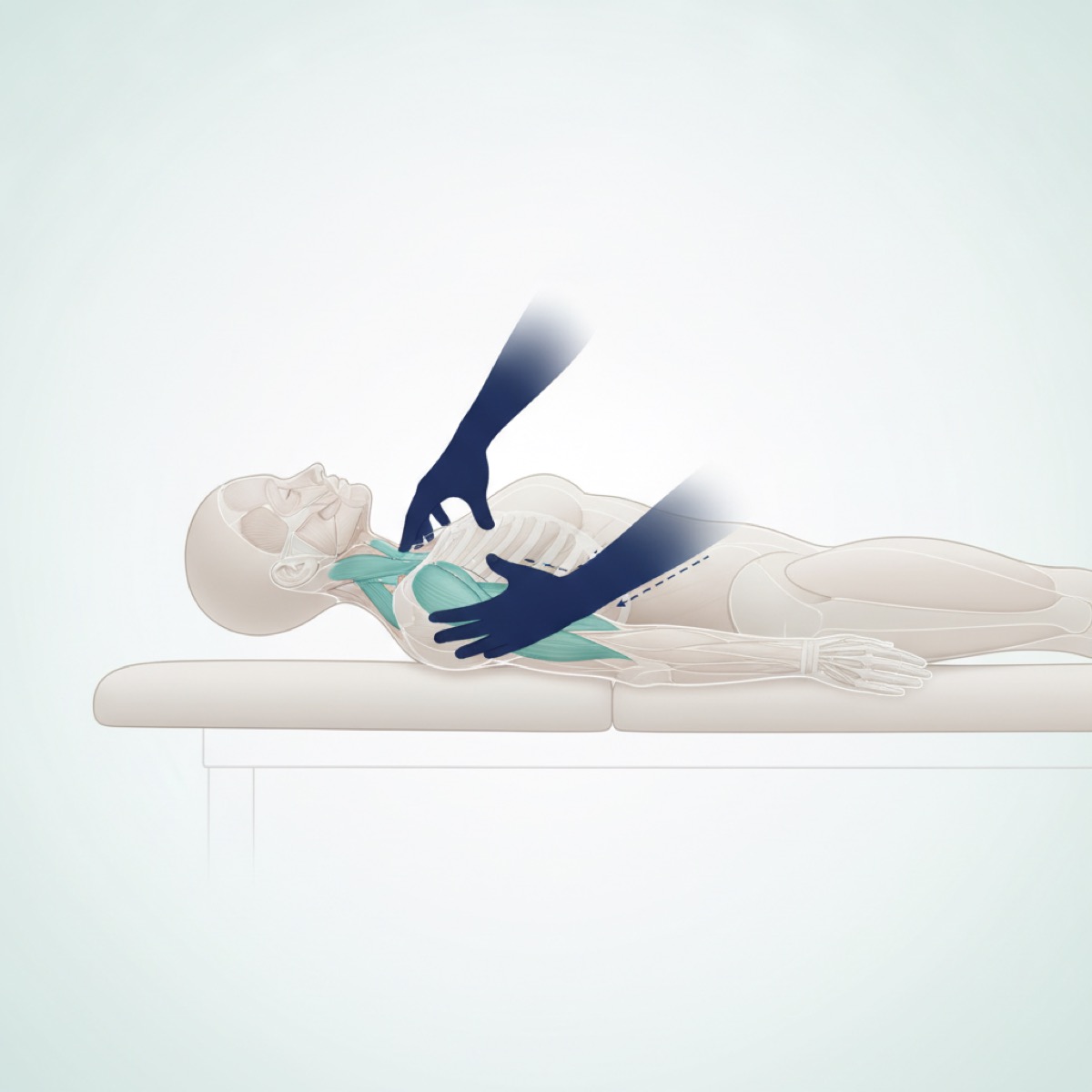
The SCM release technique involves targeted manipulation of the muscle to reduce tension and adhesions. By gently pressing and massaging the SCM, practitioners can help loosen the fibers, allowing for greater flexibility and less strain on the neck and shoulders. This process not only enhances movement but also decreases the likelihood of recurring pain.
Patients often report a warming sensation during the release, indicating increased blood flow and relaxation of the muscle. Techniques may include gentle traction and rotation of the head to further facilitate the release and improve overall neck mobility.
What are the benefits of SCM release for neck and shoulder health?
The primary benefit of SCM release is the alleviation of headaches and shoulder tension. By reducing muscle tightness, individuals often experience an immediate sense of relief and improved range of motion. This technique can also help prevent future episodes by addressing underlying muscle imbalances.
Additionally, SCM release can enhance overall posture by promoting better alignment of the head and neck. This not only reduces strain on these areas but also contributes to a more relaxed and natural posture, which is beneficial for long-term musculoskeletal health.
What to expect during an SCM release session
During an SCM release session, the practitioner will assess the tension and alignment of your neck and shoulders. The release involves applying pressure to specific points along the SCM while guiding you through gentle movements to aid in the release process. It's common to feel a sense of warmth or relaxation as the muscle tension decreases.
Sessions typically last between 15 to 30 minutes, depending on the severity of the tension. After the release, many patients report feeling lighter and more mobile, with a noticeable reduction in pain and stiffness. It's important to follow any aftercare advice provided to maintain the benefits of the release.
Frequently asked questions
Is SCM release safe? — SCM release is generally safe when performed by a qualified practitioner. It's important to communicate any discomfort during the session to ensure the technique is applied correctly.
How often should I have SCM release? — The frequency of SCM release sessions depends on individual needs and the severity of symptoms. Some may benefit from weekly sessions, while others may only need occasional maintenance.
Can I perform SCM release at home? — While some techniques can be done at home, it's best to consult with a professional to learn proper methods and avoid potential injury.
References
- [1]Langevin HM. Connective tissue: a body-wide signaling network? Med Hypotheses. 2006;66(6):1074–1077.
- [2]Schleip R. Fascial plasticity — a new neurobiological explanation. J Bodyw Mov Ther. 2003;7(1):11–19.
- [3]Wilke J, Krause F, Vogt L, Banzer W. What Is Evidence-Based About Myofascial Chains? A Systematic Review. Arch Phys Med Rehabil. 2016;97(3):454–461.
- [4]Krause F, Wilke J, Vogt L, Banzer W. Intermuscular force transmission along myofascial chains: a systematic review. J Anat. 2016;228(6):910–918.
- [5]Stecco C, Stern R, Porzionato A, et al. Hyaluronan within fascia in the etiology of myofascial pain. Surg Radiol Anat. 2011;33(10):891–896.
- [6]Ajimsha MS, Al-Mudahka NR, Al-Madzhar JA. Effectiveness of myofascial release: a systematic review of randomized controlled trials. J Bodyw Mov Ther. 2015;19(1):102–112.