
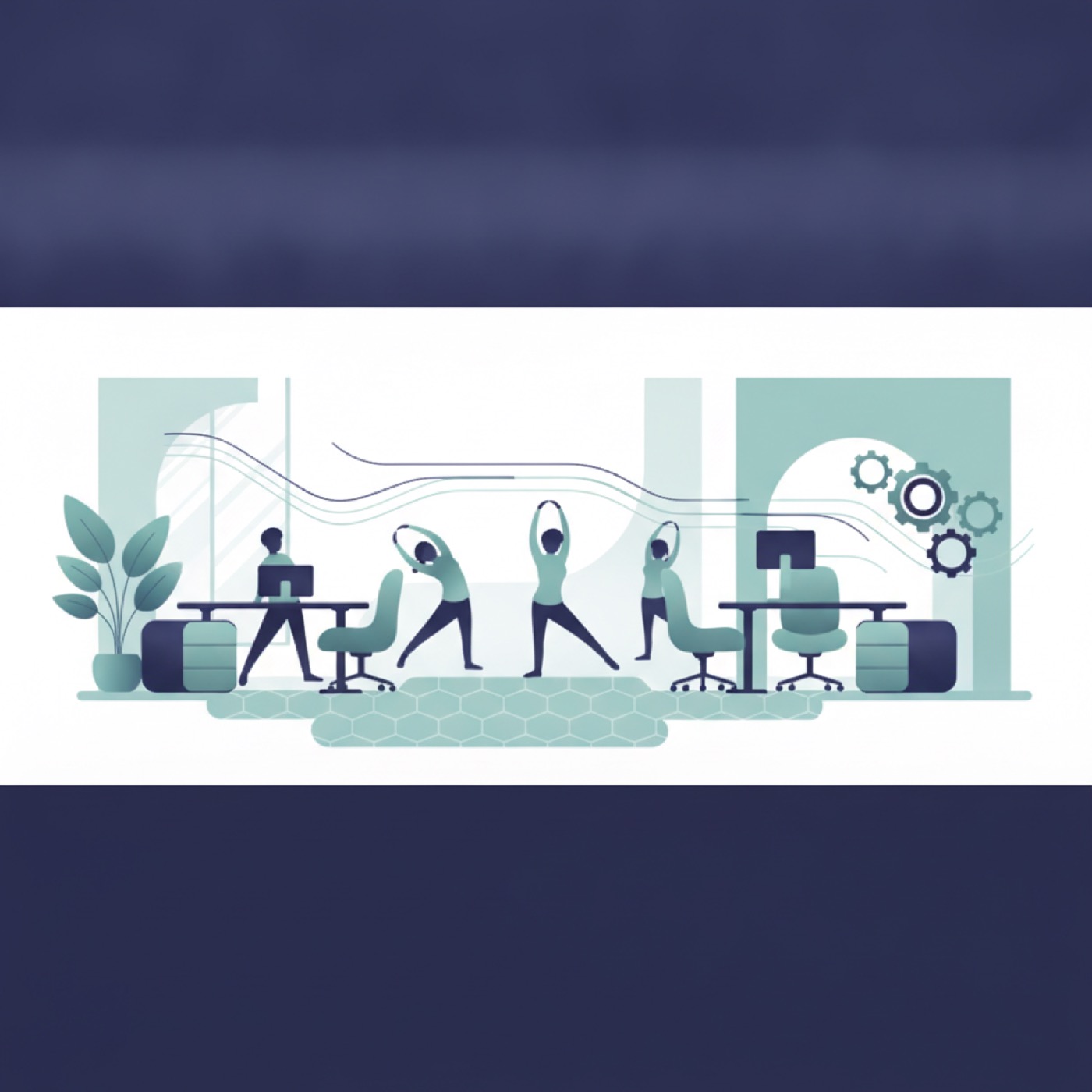
Why is the return to office an opportune moment for a physical health reset?
The transition back to the office marks a significant shift in work-life dynamics, providing a unique opportunity to reevaluate and reset physical health habits. With the structured environment of the workplace, employees can more easily establish routines that prioritize wellbeing. This period of change allows organizations to implement wellness programs that support physical health, directly impacting employee engagement and productivity.
Moreover, the return to a communal work setting offers social support that can amplify health initiatives. Shared goals and collaborative efforts in physical health can create a culture of wellness that extends beyond the office walls. By fostering an environment where health is a priority, companies can improve morale and reduce absenteeism.
How can the Fujii Method enhance employee wellbeing during this transition?
The Fujii Method, recognized in 47 countries and supported by research such as ultrasound elastography, offers a unique approach to physical health that can be seamlessly integrated into workplace wellness strategies. Its focus on fascia-based manual therapy has been trusted by elite performers for its effectiveness in improving flexibility and reducing stress.
Incorporating the Fujii Method into workplace wellness programs can help employees manage stress and physical discomfort associated with prolonged desk work. This method not only enhances physical health but also contributes to mental clarity and focus, ultimately leading to higher productivity levels.
What practical steps can organizations take to support a health reset?
Organizations can support a physical health reset by creating flexible workspaces that encourage movement. Ergonomic furniture, standing desks, and designated areas for stretching or relaxation can make a significant difference in employee wellbeing. Additionally, offering workshops or sessions on the Fujii Method can empower employees with techniques to manage stress and physical discomfort.
Another practical step is to promote a culture of regular breaks and physical activity. Encouraging employees to take short walks, engage in stretching exercises, or participate in wellness challenges can contribute to a healthier work environment. By prioritizing these initiatives, companies demonstrate a commitment to their employees' health, fostering loyalty and engagement.