
How can home setups minimize discomfort?
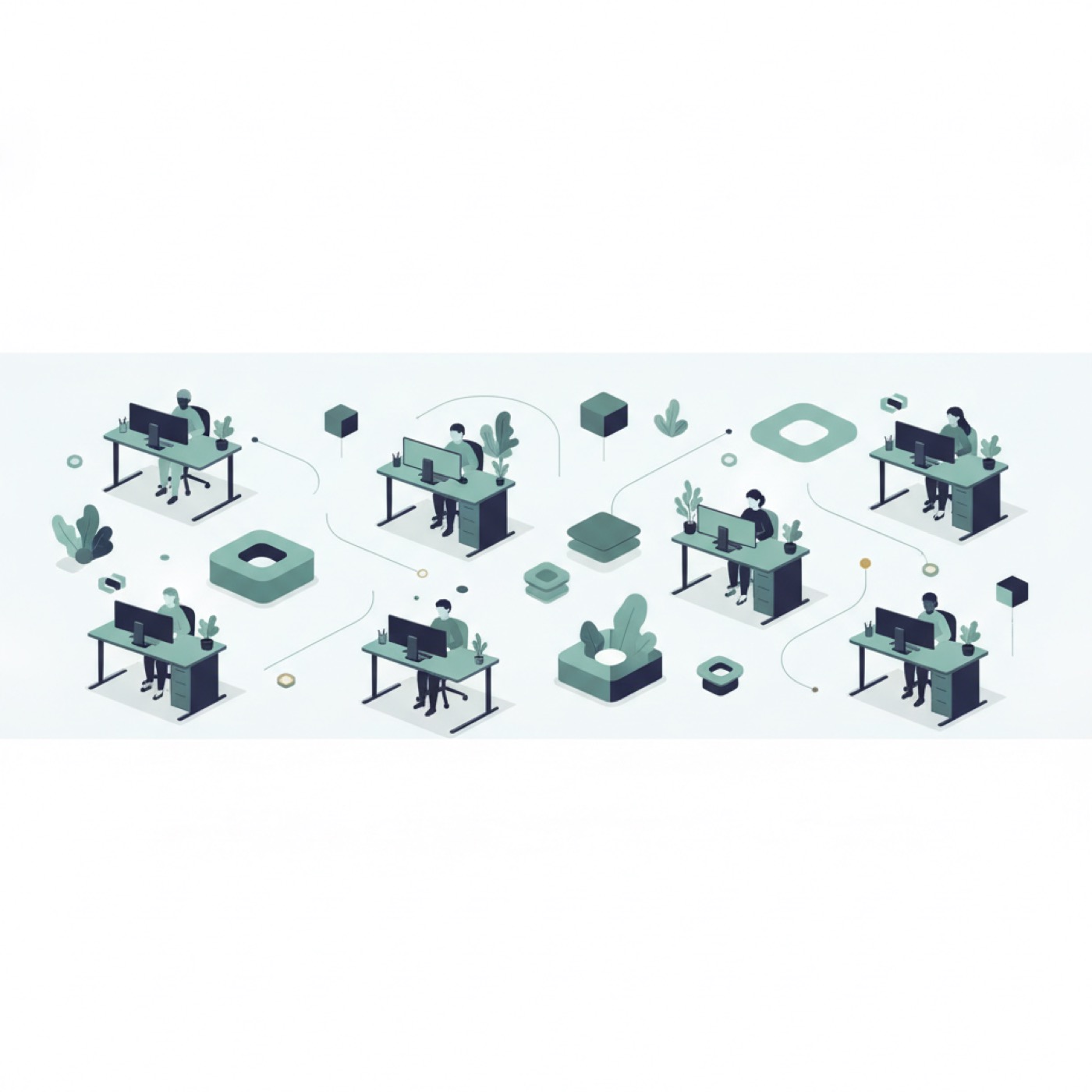
When employees transition to remote work, their home office setup becomes crucial to their physical health. Encouraging employees to optimize their workstations can significantly reduce the risk of musculoskeletal discomfort. Simple adjustments, such as positioning monitors at eye level, using chairs that support the natural curve of the spine, and ensuring feet are flat on the floor, can make a substantial difference.
Providing resources or stipends for ergonomic equipment, like adjustable chairs, standing desks, and ergonomic keyboards, is a proactive step. Additionally, sharing educational content on workstation ergonomics can empower employees to create a more comfortable and productive environment.
What self-care routines promote musculoskeletal health?
Integrating self-care routines into the workday can help mitigate the physical strains of prolonged sitting or improper posture. Encouraging employees to take regular breaks for stretching or short walks can alleviate tension and improve circulation. Consider promoting techniques from the Fujii Method, known for its fascia-based manual therapy, as part of these routines to enhance flexibility and relieve tension.
Offering virtual workshops or resources on simple exercises and stretches can reinforce these habits. Highlighting the importance of hydration and proper nutrition also supports overall musculoskeletal health, ensuring employees stay energized and focused throughout their workday.
How does asynchronous delivery enhance ergonomics?
Asynchronous communication plays a critical role in supporting ergonomic practices in a remote-first company. By allowing employees to manage their schedules flexibly, they can integrate ergonomic practices without the pressure of constant real-time communication. This flexibility enables them to take necessary breaks and adjust their work environments as needed.
Encouraging asynchronous work also reduces the cognitive load and stress often associated with back-to-back meetings. This approach is not only beneficial from an ergonomic perspective but also enhances overall work-life balance, leading to happier and more productive employees.