
Why is Predictive Musculoskeletal Health Essential for Enterprise Resilience?
For far too long, enterprise strategies for musculoskeletal (MSK) health have been predominantly reactive. Employees experience discomfort or injury, seek treatment, and then return to work, often only to face similar issues later, creating a costly and frustrating cycle. This pattern not only impacts individual well-being and morale but also carries a substantial financial burden for organizations through lost productivity, increased insurance premiums, and presenteeism – where employees are at work but not fully functional. The inability to foresee and prevent these issues represents a critical blind spot in corporate wellness, directly affecting an organization's bottom line and overall resilience.
The limitations of this reactive paradigm highlight an urgent need for a more intelligent, forward-looking strategy. Traditional approaches often focus narrowly on isolated muscles or joints, overlooking the body's intricate, interconnected network of soft tissues. This oversight means that underlying patterns of tension, stiffness, or imbalance – often the insidious precursors to more significant injury – frequently go undetected until they manifest as acute pain or chronic conditions. Advanced research, including studies utilizing sophisticated tools like ultrasound elastography to visualize tissue properties and their responses, is now shedding light on these deeper connections, revealing how a more nuanced understanding can transform our approach to workforce health from merely managing problems to truly preventing them.
What Unique Insights Does Fascia Science Offer for Proactive Prevention?
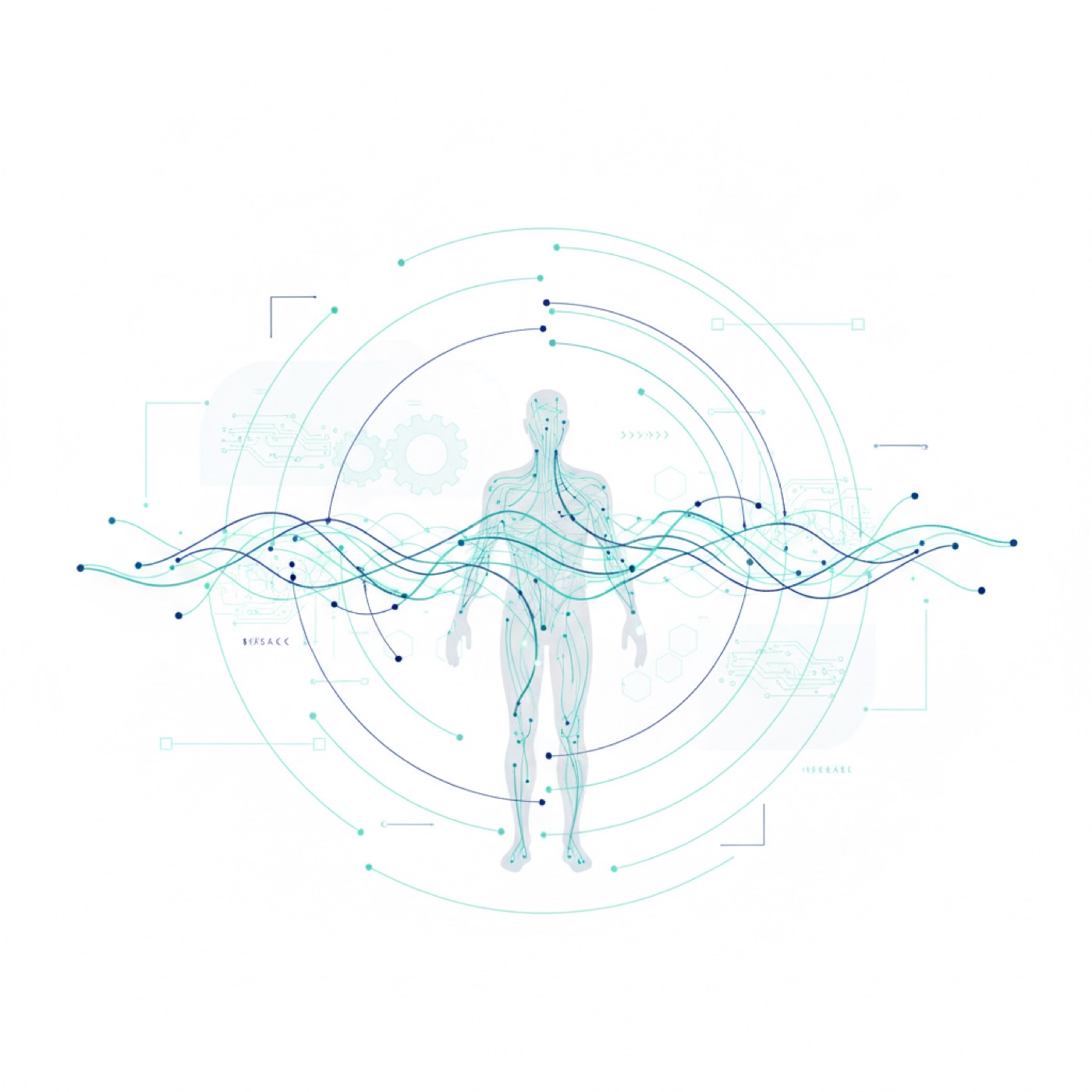
Fascia, often described as the body's 'forgotten organ,' is a complex, three-dimensional web of connective tissue that permeates and surrounds every muscle, bone, nerve, and organ. Far from being mere packing material, fascia plays a critical role in movement efficiency, structural stability, force transmission throughout the body, and even sensory input that contributes to proprioception and pain perception. It acts as a continuous, interconnected system, meaning tension or restriction in one area can profoundly impact function and sensation in seemingly unrelated parts of the body, creating compensatory patterns that lead to future issues. This holistic perspective is foundational to truly understanding musculoskeletal health and unlocking preventive potential.
By understanding the dynamic properties of fascia, organizations can move beyond superficial symptom management to truly identify root causes of potential MSK issues. Fascial imbalances, such as excessive stiffness, adhesions, or lack of elasticity, can precede observable pain and injury by months or even years. These subtle changes often go unnoticed by conventional assessments but are detectable through specialized, fascia-informed methods. Integrating this advanced fascia science into wellness programs enables the proactive identification of these early indicators, allowing for targeted, preventive interventions that can restore optimal fascial function, significantly reducing the likelihood of future injuries and chronic pain, thereby driving genuine **predictive musculoskeletal health** outcomes and fostering a more robust workforce.
How Can Organizations Implement Fascia-Informed Strategies for Workforce Well-being?
Implementing a fascia-informed strategy requires a multi-faceted approach, beginning with specialized assessments that comprehensively evaluate fascial health and dynamic movement patterns, rather than just focusing on symptomatic areas. These granular insights then inform highly tailored interventions, which can include specific manual therapy techniques, movement education designed to improve body mechanics, and ergonomic adjustments designed to optimize fascial resilience and reduce cumulative strain. Employee education is also paramount, empowering individuals with knowledge about their own bodies, the importance of fascial health, and effective self-care practices to maintain well-being.
The benefits for organizations are profound and far-reaching. By successfully moving from a reactive to a truly proactive model, companies can anticipate and prevent a significant percentage of MSK-related absenteeism and presenteeism, which directly impacts operational efficiency. This translates into enhanced overall productivity, reduced healthcare costs, and a more engaged, resilient workforce less susceptible to injury. Leading organizations globally, including those who trust the Fujii Method – recognized across 47 countries and featured in over 100 media outlets for its evidence-informed, practical approach – are already demonstrating the efficacy of integrating advanced fascia science. By investing in this cutting-edge approach, People and HR leaders are not just managing risk; they are actively investing in the long-term health, happiness, and sustained performance of their entire enterprise.