
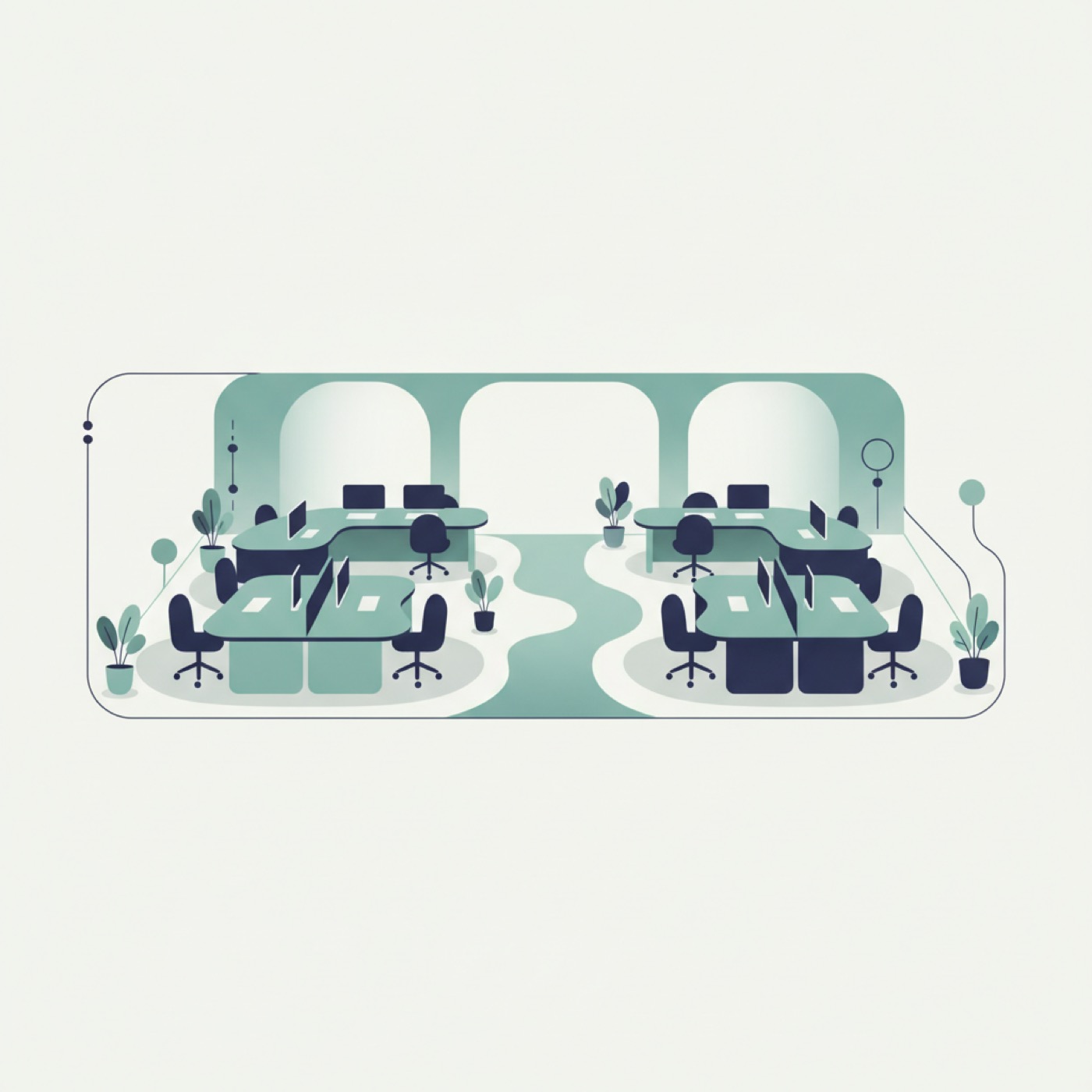
Why Consider Fascia in Office Design?
Fascia, the connective tissue that surrounds muscles and organs, plays a vital role in maintaining our physical health. When neglected, it can lead to discomfort and chronic pain, often exacerbated by poor posture and sedentary work habits. By understanding the impact of office environments on fascia, HR leaders can create spaces that not only enhance physical comfort but also boost employee morale and productivity.
Incorporating fascia-friendly office design principles can have a profound effect on workplace wellness. Simple adjustments, such as ergonomic furniture, flexible workstations, and spaces encouraging movement, can help maintain fascia elasticity and reduce the risk of musculoskeletal issues. These proactive measures not only improve employee health but also contribute to a more dynamic and engaged workforce.
What Elements Make an Office Design Fascia-Friendly?
To design a fascia-friendly office, consider elements that promote movement and comfort. Ergonomic chairs and adjustable desks are foundational, allowing employees to switch postures throughout the day. Additionally, incorporate standing desks and balance boards to encourage micro-movements, which help maintain fascia health.
Lighting and acoustics also play a crucial role. Natural light and reduced noise levels can minimize stress, indirectly benefiting fascia by promoting relaxation and reducing muscle tension. Incorporating greenery and biophilic elements can also enhance the workspace environment, contributing to overall well-being and fascia health.
How Can HR Leaders Implement These Changes?
HR leaders can start by conducting an assessment of their current office layout to identify areas for improvement. Engaging employees in this process can provide valuable insights into their needs and preferences. Collaborating with design experts who understand fascia health can further refine the approach, ensuring that changes align with organizational goals and budget constraints.
Implementing changes incrementally can make the transition smoother. Start with pilot programs, such as introducing sit-stand desks in select areas, to gauge employee reception and gather feedback. Regularly reviewing and adjusting the office layout based on employee feedback and well-being metrics can ensure that the environment remains supportive of fascia health and overall productivity.