
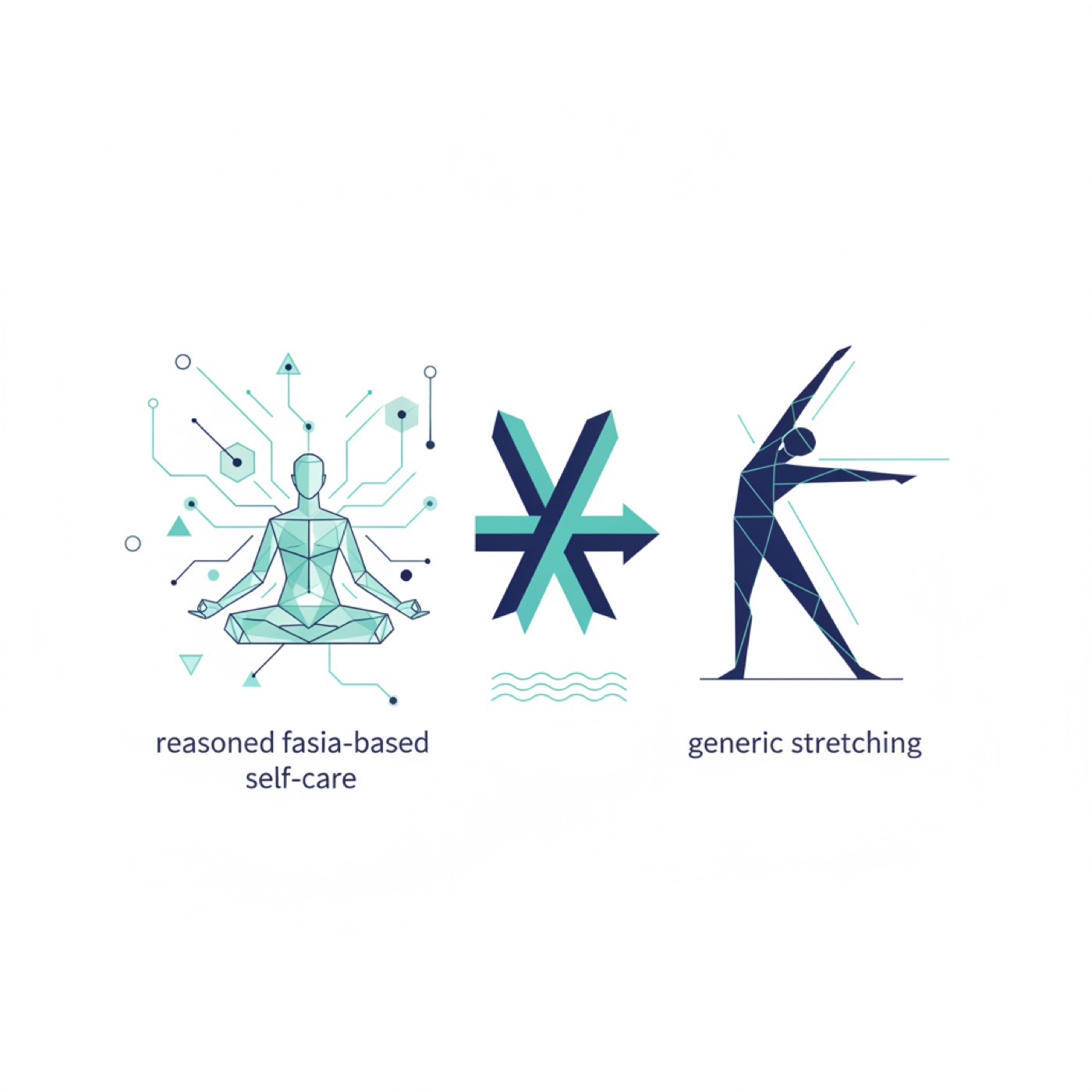
What makes fascia-based programs superior to generic stretching?
Generic stretching programs often focus on muscle flexibility without considering the role of fascia, the connective tissue that surrounds and supports muscles throughout the body. Fascia-based programs, however, offer a more comprehensive approach by targeting this crucial system. Research suggests that by focusing on the fascia, these programs can help alleviate stiffness and improve mobility more effectively than traditional stretching.
The Fujii Method, recognized globally across 47 countries and featured in over 100 media outlets, exemplifies the benefits of this approach. By using ultrasound elastography, a technique that provides real-time imaging of fascia, practitioners can better understand and address individual needs. This personalized approach leads to more effective outcomes, making fascia-based programs a superior choice for workplace wellness initiatives.
How do fascia-based programs enhance workplace adherence?
Adherence to wellness programs is a significant challenge for many organizations. Fascia-based programs often see higher adherence rates due to their personalized nature and perceived effectiveness. When employees notice tangible benefits, such as reduced pain or increased flexibility, they are more likely to stick with the program.
Moreover, the Fujii Method emphasizes education and empowerment, teaching employees not just how to perform exercises, but why they are beneficial. This understanding fosters a sense of ownership and motivation, encouraging consistent participation. The result is a more engaged workforce, dedicated to maintaining their well-being.
Why should organizations prioritize fascia-based self-care for sedentary workers?
Sedentary work environments contribute to a range of health issues, from musculoskeletal pain to decreased productivity. Fascia-based self-care programs can address these challenges by providing targeted relief and prevention strategies. For instance, by releasing tension in the fascia, employees may experience reduced discomfort and improved posture, directly impacting their work performance.
Organizations that implement fascia-based programs often report not only enhanced employee wellness but also improved morale. When employees feel their employer is invested in their health, it fosters a positive workplace culture. This investment in fascia-based self-care is not just a wellness initiative but a strategic decision that can lead to long-term organizational benefits.