
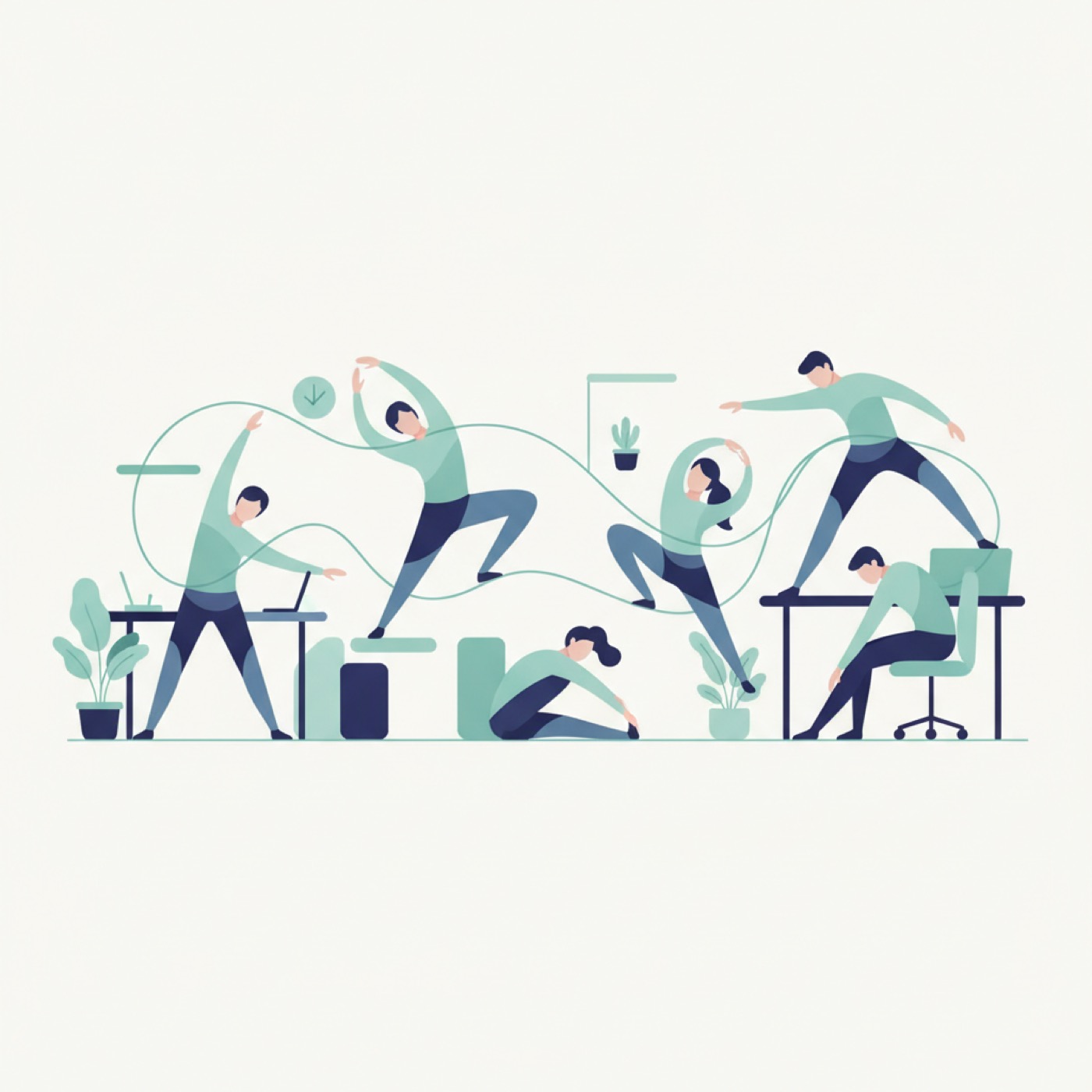
Why Consider Fascia Techniques for Workstation Comfort?
Fascia, the connective tissue enveloping muscles, nerves, and organs, plays a crucial role in bodily functions and overall well-being. In the workplace, prolonged sitting and repetitive motions can lead to tight fascia, causing discomfort and reducing productivity. Incorporating fascia techniques into workstation design can help mitigate these issues, promoting a healthier work environment.
The Fujii Method, recognized globally and backed by research such as ultrasound elastography, has demonstrated how targeted fascia interventions can lead to significant improvements in physical comfort. By integrating these techniques into corporate wellness programs, organizations can address the root causes of musculoskeletal pain rather than merely treating symptoms.
How Do Fascia Techniques Reduce Musculoskeletal Pain?
Fascia-based interventions focus on restoring the natural elasticity and flexibility of connective tissues. Techniques such as myofascial release, stretching, and targeted exercises help alleviate tension and improve blood flow. For employees, this translates to reduced pain and stiffness, particularly in areas commonly affected by desk work, like the neck, shoulders, and lower back.
Evidence suggests that when employees engage in regular fascia-focused exercises, they experience fewer instances of discomfort and fatigue. This not only enhances their physical well-being but also leads to increased focus and productivity. Companies looking to implement these techniques can partner with trained professionals to tailor programs that meet their specific workplace needs.
What Are the Practical Steps to Implement Fascia Techniques?
To successfully integrate fascia techniques into the workplace, organizations should first assess the current state of employee workstation setups. This includes ergonomic evaluations and employee feedback on pain points. Once identified, targeted interventions can be introduced, such as fascia-focused workshops and ergonomic equipment that supports proper posture and movement.
Additionally, fostering a culture that encourages regular movement and stretching can amplify the benefits of fascia techniques. Providing resources like guided exercise sessions or access to online programs ensures that employees can engage with these practices consistently. By prioritizing fascia health, companies can create a more comfortable and productive work environment.