
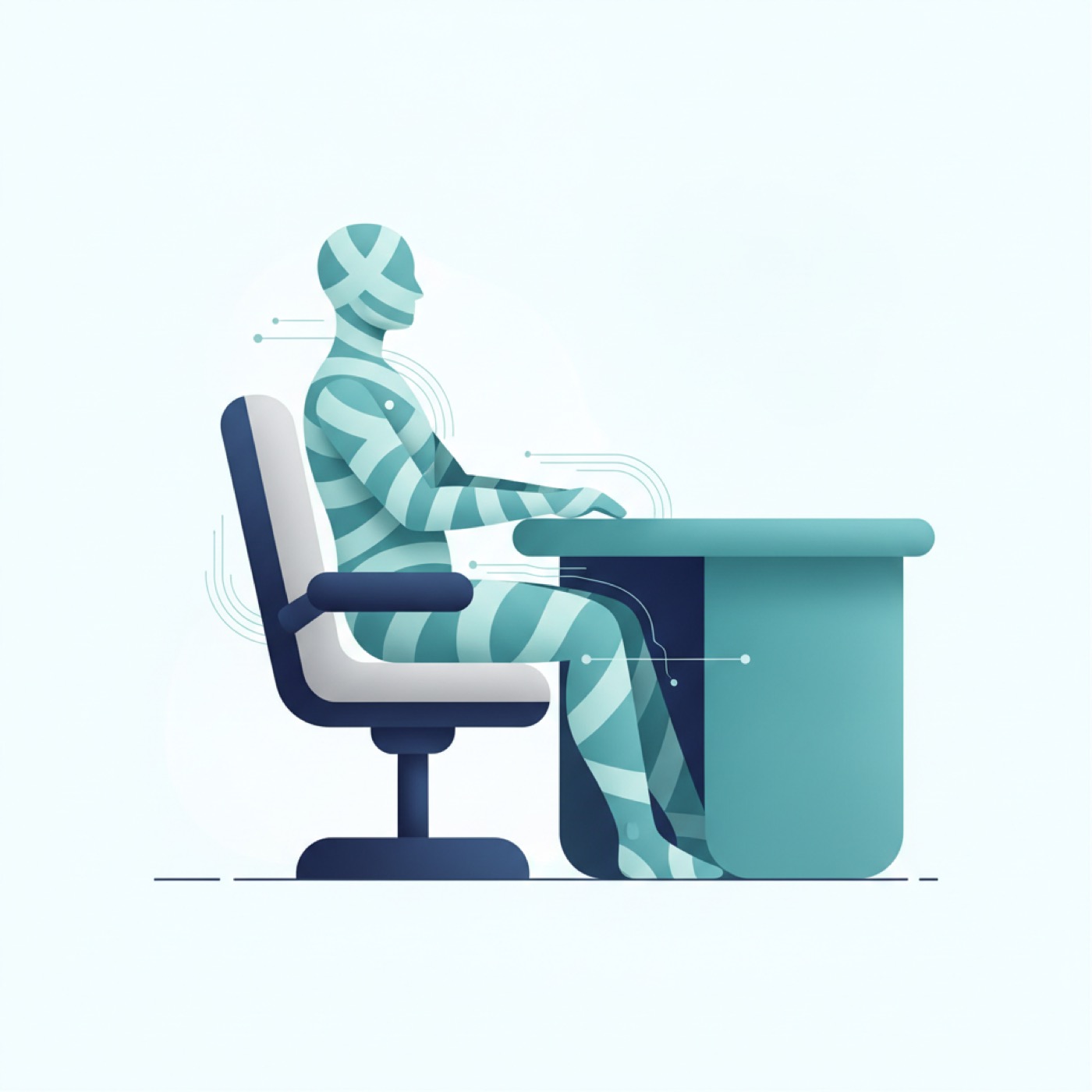
How Can Fascia Techniques Prevent Office Chair-Induced Pain?
Fascia, the body's connective tissue network, plays a significant role in maintaining posture and facilitating movement. When employees sit for extended periods, the fascia can become restricted, leading to discomfort and pain. Techniques that target fascia can improve flexibility and reduce tension, offering a proactive approach to office chair pain prevention.
The Fujii Method, recognized in over 47 countries and backed by ultrasound elastography research, emphasizes the importance of fascia in overall musculoskeletal health. By incorporating fascia-based exercises and therapies into workplace wellness programs, companies can create an environment that supports employee comfort and productivity.
What Are the Benefits of Integrating Fascia Techniques in Corporate Wellness?
Integrating fascia techniques into corporate wellness programs not only addresses the immediate concern of office chair-induced pain but also promotes long-term musculoskeletal health. These techniques can improve blood circulation, enhance mobility, and prevent chronic issues that arise from sedentary lifestyles. Decision-makers can leverage these benefits to foster a healthier, more engaged workforce.
Moreover, fascia techniques are versatile and can be adapted to various workplace settings, making them an ideal addition to holistic wellness strategies. By prioritizing these methods, companies demonstrate a commitment to employee well-being, which can enhance job satisfaction and reduce absenteeism.
How to Implement Fascia Techniques for Office Ergonomics?
Implementing fascia techniques in the workplace begins with education and awareness. Providing employees with resources and training on simple fascia exercises they can perform at their desks can make a significant difference. Collaborating with wellness professionals to deliver workshops or seminars on the benefits of fascia care is another effective strategy.
Additionally, creating a supportive environment with ergonomic office furniture and spaces that encourage movement can complement fascia techniques. Encouraging regular breaks and movement throughout the workday further enhances the effectiveness of these practices, contributing to a more comfortable and productive work environment.