
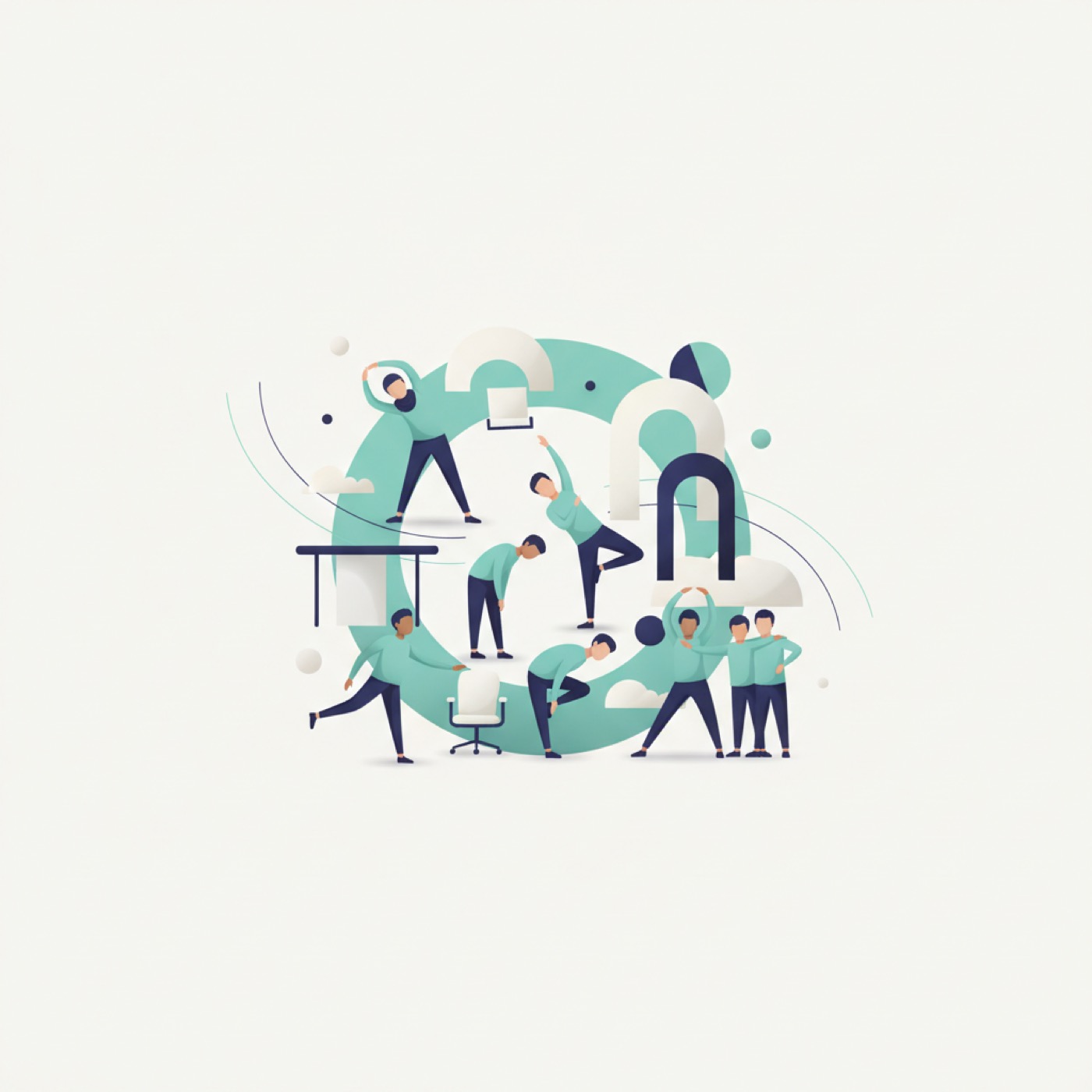
How Can Fascia Strategies Alleviate Workplace Ailments?
The role of fascia in the body is crucial for maintaining structural integrity and fluid motion. When fascia becomes restricted due to prolonged sitting or repetitive motions, it can lead to significant discomfort and pain. By integrating fascia strategies into workplace wellness programs, organizations can help employees alleviate these common issues. Techniques such as myofascial release and targeted stretching can improve flexibility and reduce pain.
The Fujii Method has been employed by elite performers and is recognized in over 47 countries. Its fascia-based approach is supported by ultrasound elastography research, showcasing its potential to enhance physical well-being. By adopting these strategies, companies can not only improve employee health but also reduce absenteeism and boost overall productivity.
What Are the Benefits of Implementing Fascia-Based Programs?
Fascia-based programs offer a range of benefits that extend beyond physical health improvements. Firstly, when employees experience less pain, their productivity and engagement levels tend to rise. A healthy workforce is often a more energetic and motivated one. Moreover, a focus on fascia health can foster a culture of well-being and self-care within the organization.
Additionally, implementing these programs can position a company as a forward-thinking and employee-centric organization. This not only aids in talent retention but also in attracting new, health-conscious employees. By investing in such wellness initiatives, businesses can see long-term gains in employee satisfaction and loyalty.
How to Effectively Integrate Fascia Strategies in the Workplace?
To integrate fascia strategies effectively, HR leaders should consider a multi-faceted approach. Begin with employee education sessions on the importance and function of fascia in the body. This foundation can be built upon with regular workshops or sessions led by qualified practitioners of the Fujii Method.
Furthermore, creating a workspace that encourages movement and flexibility can complement these strategies. Ergonomic furniture and designated stretching areas can promote regular movement, reducing the risk of fascia-related ailments. By embedding these strategies into the organizational culture, companies can create a sustainable model for employee health and wellness.