
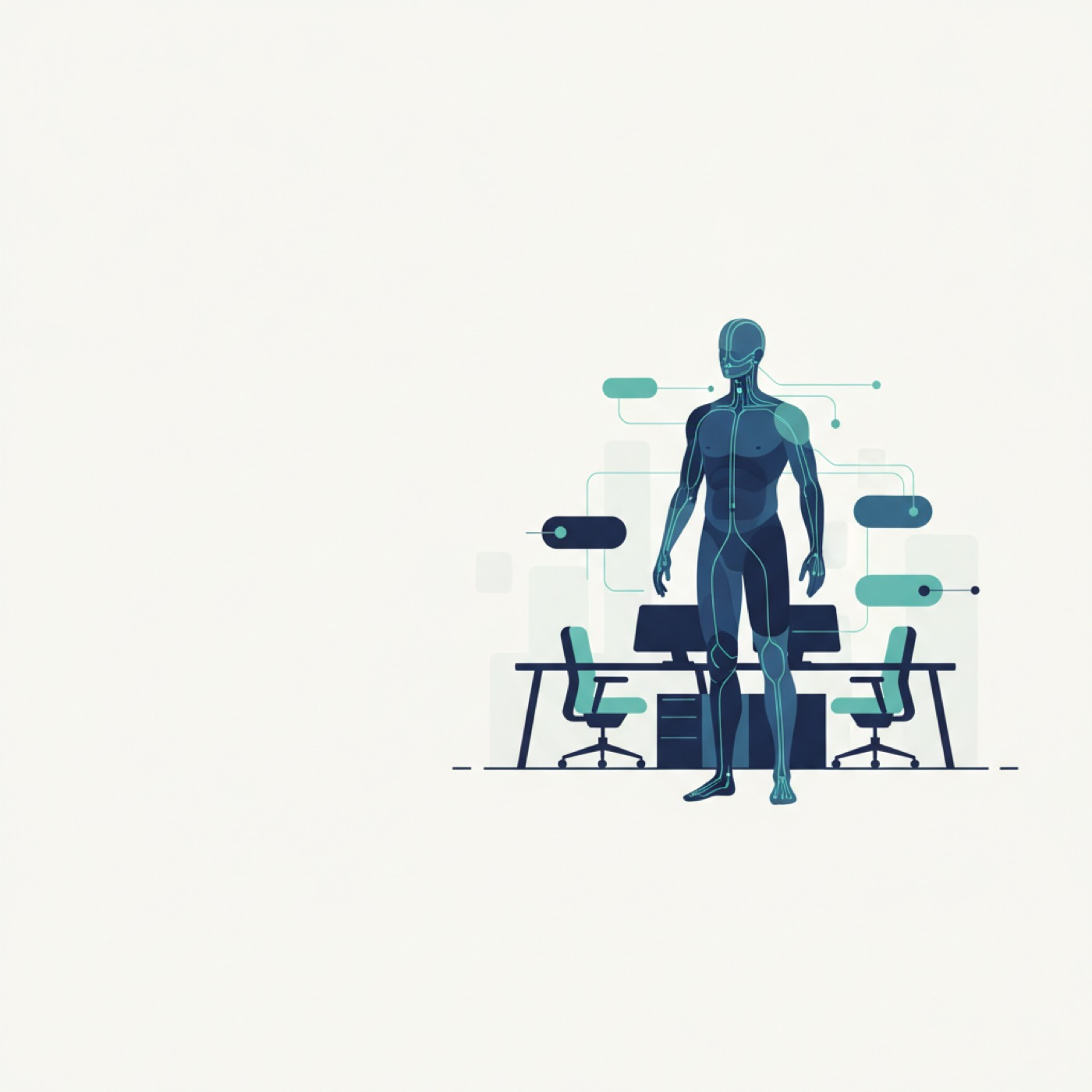
What Makes Fascia-Specific Ergonomic Assessments Effective?
Fascia-specific ergonomic assessments focus on the connective tissue that envelops muscles and organs, influencing movement and posture. When this network is not properly aligned or is under strain, it can contribute to musculoskeletal disorders, a common cause of workplace injuries. By evaluating the state of fascia, HR leaders can implement preventative measures tailored to individual needs, potentially reducing injury rates and associated costs.
The Fujii Method, recognized internationally and featured in over 100 media outlets, underscores the importance of fascia health. Advanced techniques, such as ultrasound elastography, allow for precise assessment of fascia condition. This evidence-based approach provides a deeper understanding of how to maintain optimal musculoskeletal health, offering a competitive edge in workplace wellness strategies.
How Do Fascia Assessments Improve Employee Well-Being?
Fascia-specific assessments address the root causes of discomfort that traditional ergonomic evaluations might overlook. By focusing on the fascia, these assessments can identify tension and restrictions affecting employee comfort and performance. Implementing changes based on these assessments can lead to better posture, reduced pain, and improved mental focus, contributing to overall employee well-being.
HR leaders who prioritize fascia health in ergonomic assessments can foster a culture of proactive health management. This not only enhances the physical health of employees but also boosts morale and engagement, as employees feel supported in their wellness journey. The ripple effect of such initiatives can lead to reduced absenteeism and higher productivity levels, making a strong business case for fascia-focused interventions.
Why Should HR Leaders Consider Fascia in Ergonomic Programs?
Incorporating fascia-specific assessments into ergonomic programs aligns with a holistic approach to workplace health and safety. Traditional ergonomic adjustments often focus on immediate physical setups, such as chair positioning or desk height. While these are important, they may not fully address underlying issues related to fascia tension.
By integrating fascia assessments, HR leaders can gain comprehensive insights into employee health, allowing for more personalized and effective ergonomic solutions. This forward-thinking approach not only addresses current employee needs but also sets the foundation for long-term health benefits, positioning the organization as a leader in innovative wellness practices.