
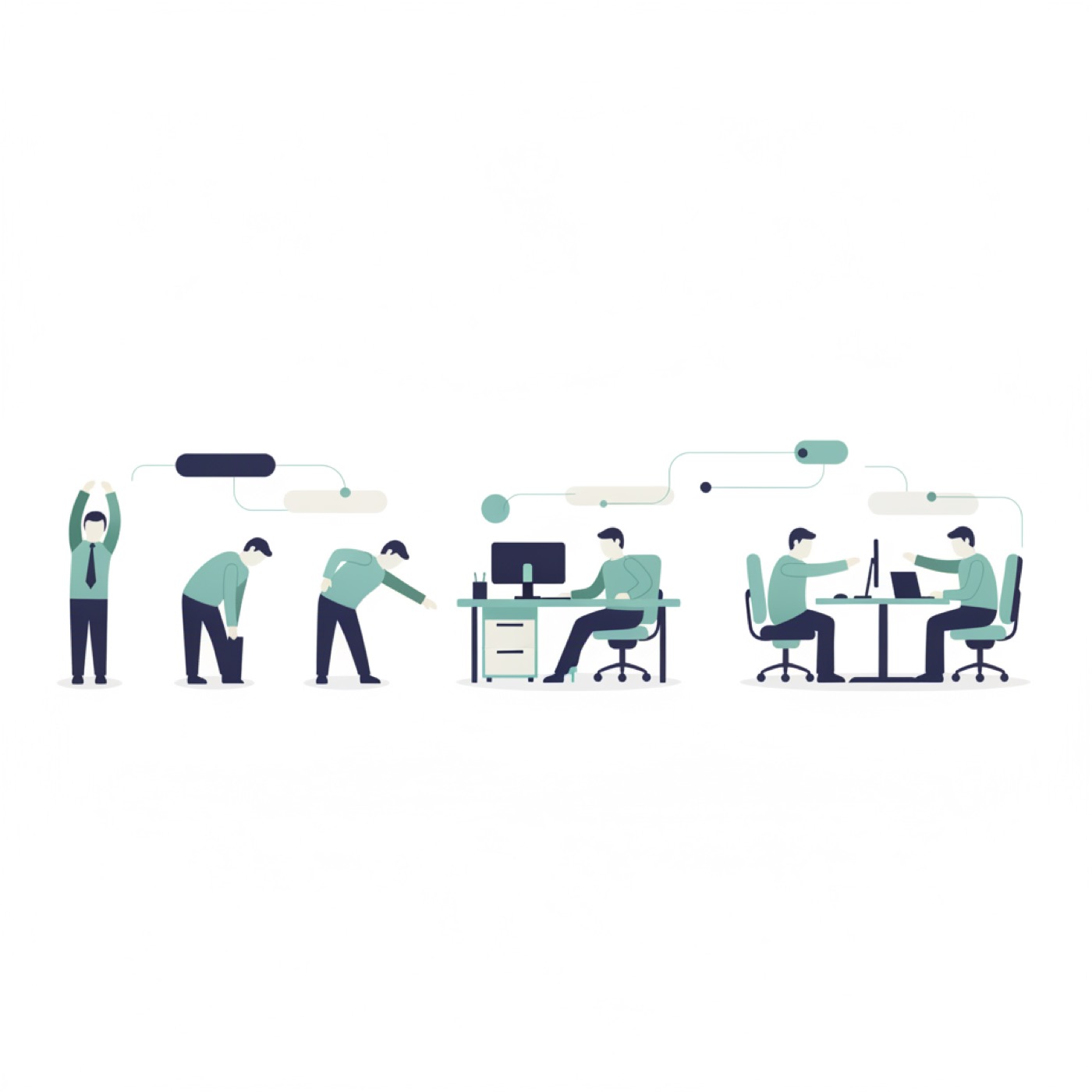
How Can Fascia Science Enhance Desk Posture?
Fascia, the connective tissue surrounding muscles, nerves, and organs, plays a pivotal role in maintaining posture and movement efficiency. Research indicates that when fascia is flexible and hydrated, it can support better alignment and reduce strain on the musculoskeletal system. For employees spending extended periods seated, this means that attention to fascial health can directly influence posture quality.
Adopting practices that promote fascia health, such as regular movement and stretching, can alleviate the tension and stiffness commonly associated with prolonged sitting. Companies can introduce corporate wellness programs that integrate fascial release techniques, helping employees achieve optimal posture and minimize discomfort.
What Are the Benefits of Improved Desk Posture on Productivity?
Improved desk posture has a direct impact on employee productivity. Poor posture can lead to fatigue, discomfort, and increased susceptibility to injuries, all of which can distract employees and diminish their output. By focusing on fascia health, organizations can help employees maintain energy levels and reduce downtime caused by posture-related issues.
Moreover, fostering a work environment that prioritizes good posture demonstrates a commitment to employee well-being, which can enhance job satisfaction and morale. When employees feel supported and comfortable, they are more likely to engage actively and contribute to the organization's goals.
How Can Organizations Implement Fascia-Based Posture Improvement Strategies?
Organizations looking to embrace fascia-based posture improvement can start by educating their teams about the importance of fascia in maintaining good posture. Workshops and training sessions with experts in fascia science, such as practitioners of the Fujii Method, can provide valuable insights and practical exercises.
Additionally, investing in ergonomic office furniture and creating spaces that encourage movement can significantly contribute to better posture. Encouraging regular breaks, providing access to standing desks, and promoting activities like yoga or tai chi are practical ways to integrate fascia health into the workplace, leading to long-term benefits for both employees and the organization.