
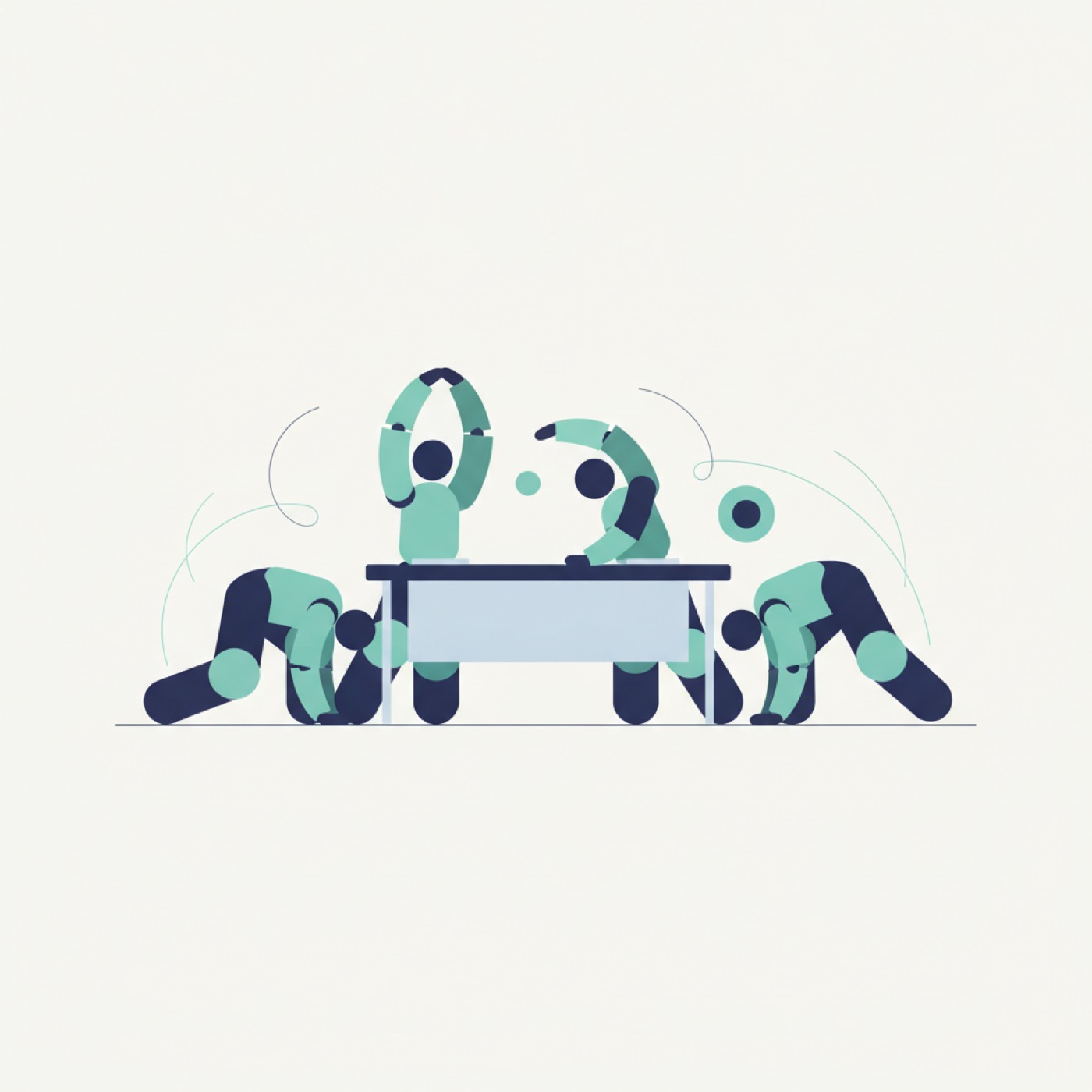
Why Are Fascia-Based Desk Breaks Important for Employees?
Fascia, the connective tissue that surrounds muscles and organs, plays a critical role in maintaining our body's structural integrity and fluidity. For employees who spend long hours sitting at desks, fascia can become tense and restrictive, leading to discomfort or pain. Incorporating fascia science into desk breaks can mitigate these issues, promoting better posture and reducing the risk of musculoskeletal disorders.
By educating employees on simple fascia-focused movements and stretches, HR leaders can help prevent the stiffness and tension often associated with prolonged sitting. This proactive approach not only benefits physical health but also enhances mental clarity and focus, contributing to a more dynamic and productive workforce.
How Does Fascia Science Enhance Productivity?
Productivity in the workplace is closely linked to physical and mental well-being. Fascia-focused desk breaks can rejuvenate employees, providing a natural boost in energy and concentration. The gentle movements involved in these breaks help increase blood flow and oxygen to the brain, which are essential for maintaining alertness and cognitive function throughout the day.
Furthermore, regular fascia-based activities can reduce stress levels by promoting relaxation and releasing built-up tension. This not only improves overall mood but also fosters a more collaborative and positive work environment. For HR leaders, implementing such practices demonstrates a commitment to employee well-being and can enhance organizational culture.
What Are the Practical Steps to Implement Fascia Science in the Workplace?
To effectively implement fascia science in the workplace, HR leaders should start by educating employees on the importance of fascia health. Workshops or seminars led by experts in the Fujii Method can offer valuable insights and practical demonstrations, making it easier for employees to incorporate these techniques into their daily routines.
Additionally, creating dedicated spaces or times for fascia-based activities can encourage participation. Simple adjustments, such as standing desks or designated stretching areas, can further support these initiatives. By integrating these elements into the workplace, HR leaders can foster a culture of health and wellness that benefits both employees and the organization as a whole.