
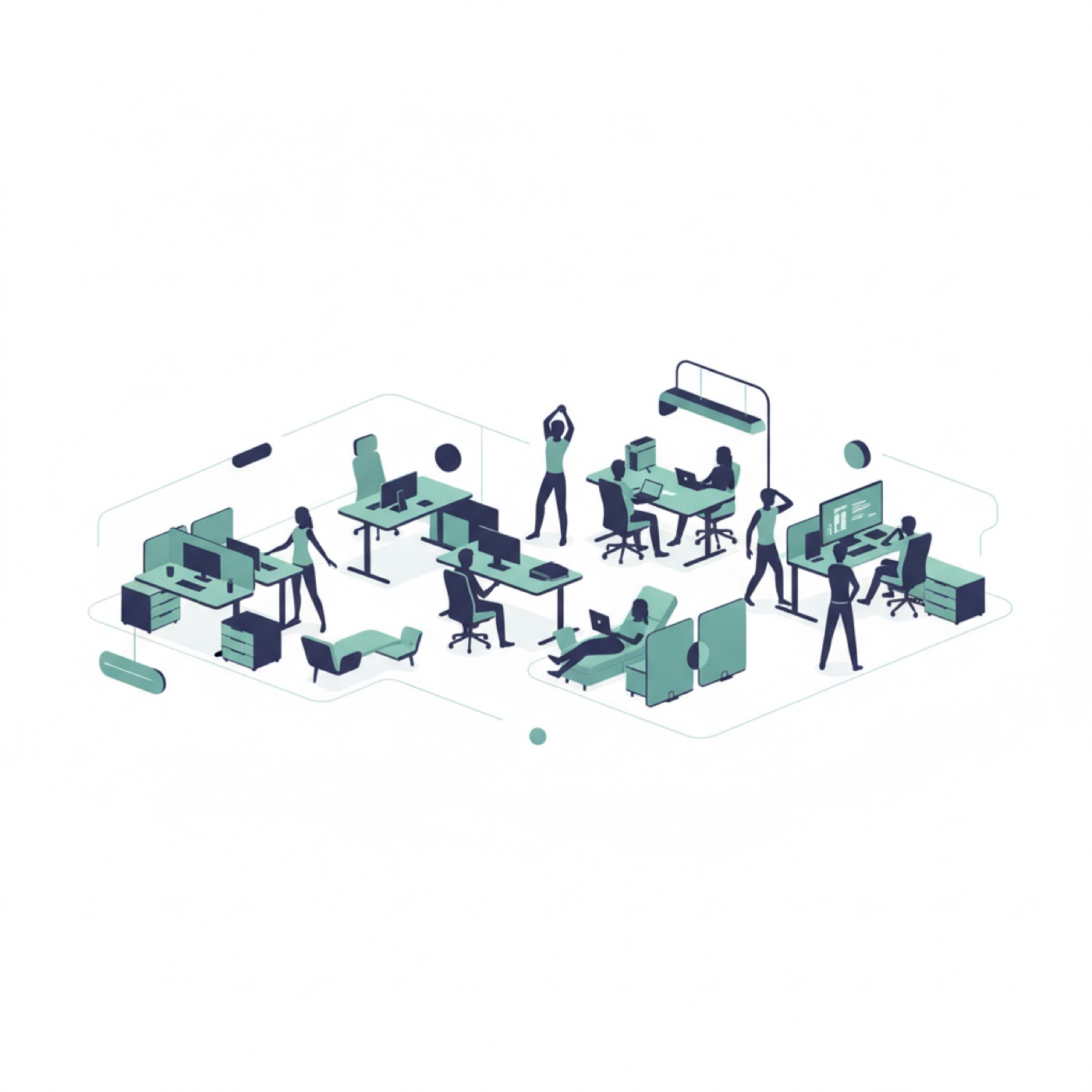
How Do Fascia Insights Influence Ergonomic Workspace Design?
Fascia, the connective tissue that surrounds muscles and organs, plays a crucial role in physical health and movement. Recent research, including studies utilizing ultrasound elastography, highlights its significance in maintaining musculoskeletal health. By understanding fascia's functions, HR leaders can develop workspace designs that minimize strain and promote better posture.
The Fujii Method, recognized globally for its expertise in fascia-based therapies, provides valuable insights into how fascia affects workplace ergonomics. Incorporating these insights can help create environments that support natural body movements, thereby reducing the risk of discomfort and injury for employees working in hybrid setups.
What Are the Benefits of Ergonomic Workspaces for Hybrid Teams?
Creating ergonomic workspaces tailored to hybrid teams can significantly enhance employee well-being and productivity. Ergonomic designs that consider fascia insights help in reducing common issues like back pain, stiffness, and repetitive strain injuries, which are prevalent among remote and office workers alike.
Moreover, ergonomic workspaces foster a more inclusive environment by catering to diverse physical needs. This adaptability is crucial for hybrid teams, where employees may alternate between home and office settings. By prioritizing ergonomic design, organizations can ensure that all employees have access to comfortable and supportive workstations, regardless of their location.
How Can HR Leaders Implement Fascia-Based Ergonomic Solutions?
HR leaders can start by conducting assessments of current workspaces to identify areas where fascia insights can be integrated. This involves evaluating furniture, equipment, and layout to ensure they support natural body mechanics. Collaboration with experts in fascia therapy, like those from the Fujii Method, can provide tailored solutions that align with organizational goals.
Training and resources are also key to successful implementation. Providing employees with guidance on maintaining proper posture and movement can empower them to use their workspaces effectively. Additionally, investing in adjustable furniture and ergonomic tools can further enhance the flexibility and functionality of the workspace, making it conducive to the varied demands of hybrid work.