
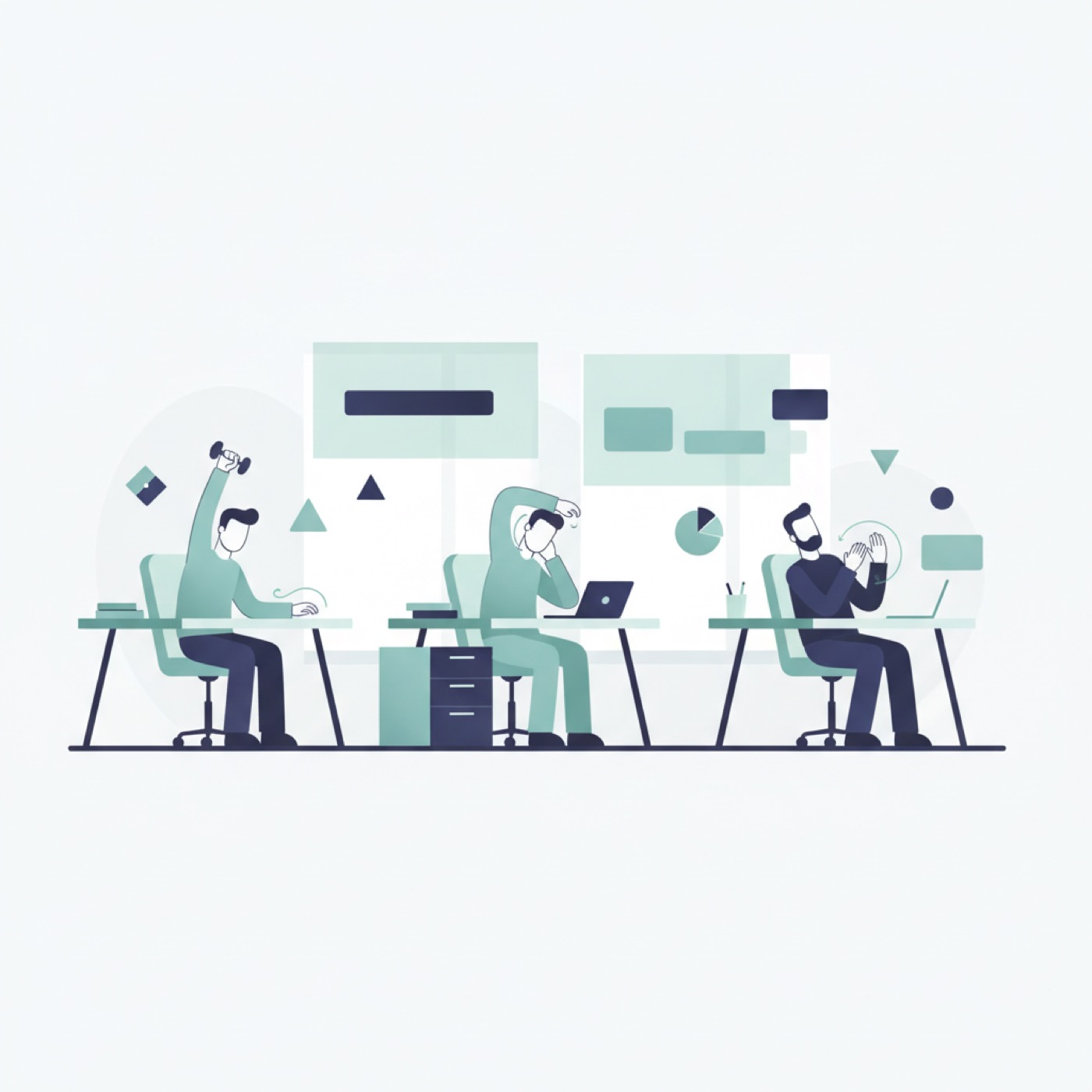
How Can Fascia-Driven Desk Exercises Reduce Musculoskeletal Pain?
Musculoskeletal pain, often resulting from prolonged sitting and poor posture, is a common issue affecting workplace productivity. Fascia-driven desk exercises are designed to target the body's fascial network, which plays a crucial role in maintaining structural integrity and flexibility. By performing specific movements that engage this system, employees can alleviate tension, reduce pain, and prevent the stiffness associated with sedentary work.
The Fujii Method, recognized in over 47 countries and supported by ultrasound elastography research, demonstrates the potential of fascia-focused interventions in promoting musculoskeletal health. Incorporating these exercises into regular office routines can help HR leaders address the root causes of employee discomfort, leading to a healthier and more engaged workforce.
What Impact Do Fascia Exercises Have on Focus and Productivity?
Cognitive focus and productivity can be significantly hindered by physical discomfort and lack of movement. Fascia-driven desk exercises promote circulation and stimulate the nervous system, which can lead to improved mental clarity and concentration. By integrating short, targeted movements throughout the workday, employees can break the cycle of monotony and refresh their focus, leading to more effective task completion.
Research indicates that even brief exercise sessions can enhance mood and cognitive function, making fascia-driven exercises an efficient tool for boosting workplace productivity. HR leaders can leverage these benefits by encouraging regular practice, creating an environment where employees feel both physically and mentally supported.
How to Integrate Fascia-Driven Exercises into Daily Work Routines?
Integrating fascia-driven exercises into the workplace does not require significant time or resources. HR leaders can start by providing training sessions or workshops led by certified fascia therapists to educate employees on the techniques and benefits. Simple exercises can be incorporated into short breaks or at the start and end of meetings, making them an easy addition to the workday.
To ensure consistent practice, consider setting up designated spaces for these exercises or offering digital resources and reminders. Collaborating with wellness programs to include fascia-driven exercises can also enhance their reach and effectiveness, promoting a culture of health and well-being in the organization.